















Cold forming
Cold forming
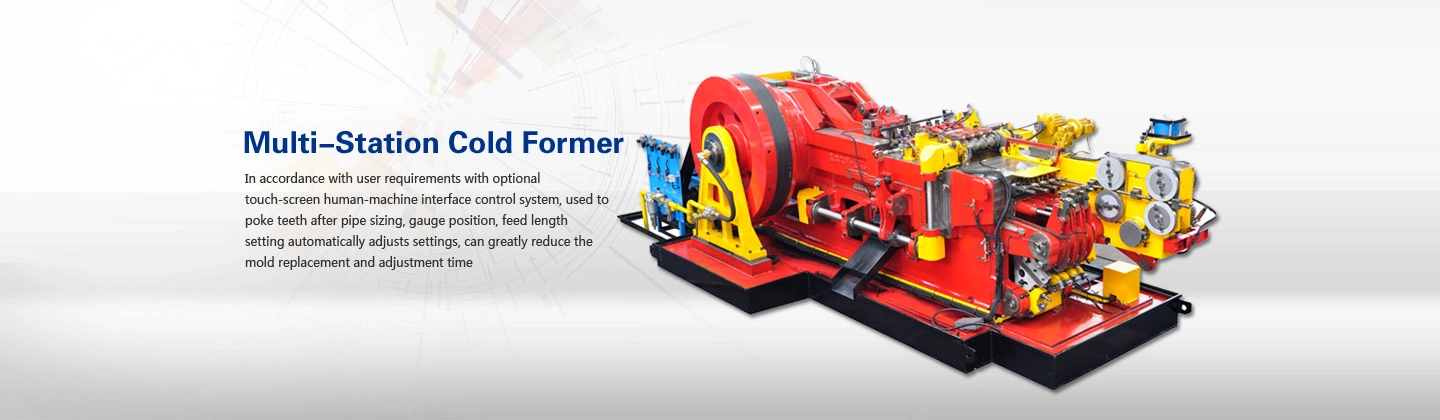
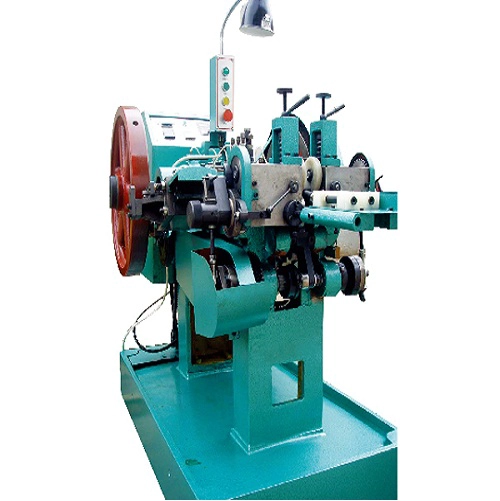
Cold forming is a process of metal deformation in which the wire is cut to a specific length and deformed at room temperature through its insertion in steel or carbide dies prepared in 2 or more consecutive stations.
This process is carried out by applying very high pressure which deforms the material beyond its elastic limit but without reaching its breaking point. In this way we are able to obtain highly complex parts without producing scrap and at a very high speed, allowing for mass production of identical parts at a significantly reduced price.
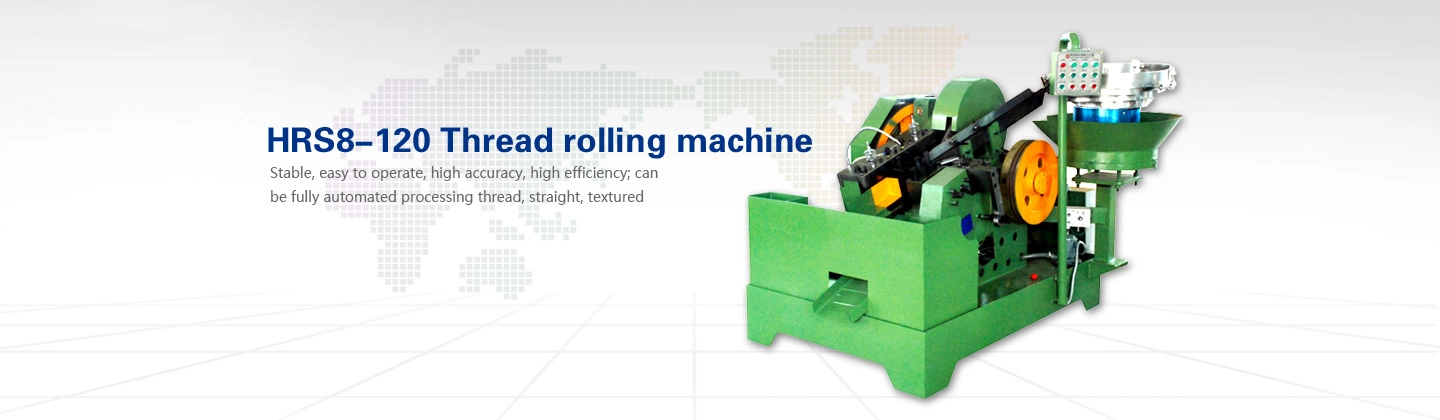
There’s a series of basic operations in which all of the processes of cold forming are based on. The principle ones are shearing, reduction, stressing, extruding, piercing, trimming, and burnishing. There’s a tool for each kind of operation, with a geometry, material, and coating specifically adapted to what needs to be obtained.
TECHNOLOGY
Technology has advanced a lot recently and what was once impossible is now normal. A limit is surpassed on a daily basis. Many factors have contributed to this and when combined makes the industry reinvent itself constantly:
Improvements in the materials: carbide is constantly evolving and the sintering equipment for these raw materials keeps bringing specific grades for each type of process. Where before Widia was required, now the exact composition is described, the size of the grain and the necessary properties. This has made it possible to improve the performance of the tool enormously. On the other hand steel is increasingly more specific, with a wide variety of classifications, from high speed steel, powder metallurgical, with supplementary treatments etc, which can even compete with carbide in terms of benefits.
Improvements in machinery used: tool manufacturers use machinery which is increasingly more precise and with better surface treatment. CNC machines with superfinishing, avoiding micro fissures and leaving an Ra which only a few years ago was impossible even imagine. Additionally, presses for cold forming are increasingly faster and better controlled.
Constructive solutions: simulation is a great ally in cold forming, but it’s the imagination and knowledge of the technicians who propose solutions to cut costs and improve performance or even make it possible to manufacture forming parts which previously seemed as if they could only be turned.
In this way the interchangeability of nibs, the application of coating in specific areas, the design improvements and the never ending tests allow us to arrive where once wasn’t possible.
FINISHING
The tolerances must be in accordance with the product being made, with the ability to reach up to 0,005mm. The material used could be carbide or steel, with the ability to use all types of carbide and steel grades- special, high speed, powder metallurgical, etc.- in order to take advantage of the characteristics most adapted to the process in which they’ll be used and so they function better.
Together with the material and the shape, it’s of vital importance that the surface finishes – in the range of Ra0.5- which greatly influences the lifespan of the tool.