















บ้าน > ข่าว > ข่าวอุตสาหกรรม > Full coverage: 2016 NPC & CPPCC Sessions
เรียกดูหมวดหมู่
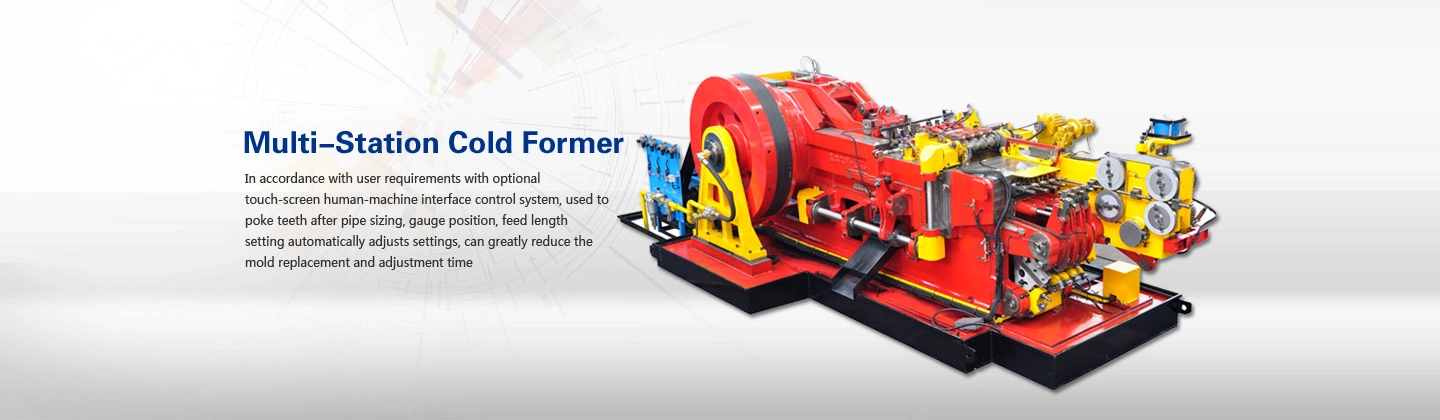
M2 ถึง M36 เครื่องทำโบลต์เครื่องตีขึ้นรูปเย็นทุกขนาดพร้อมฝาปิด
Micro Nut Drilling Machine Tapping Machine สำหรับหน้าแปลนน็อต
เครื่องตีเย็นอัตโนมัติเครื่องน็อตน็อตสถานี Six
ข่าวอุตสาหกรรม
Company News
การรับรอง
ติดต่อเรา
ฮาร์บินเรนโบว์เทคโนโลยี จำกัดที่อยู่:อาคาร C2-02 Handi, Songbei Distr. ฮาร์บินประเทศจีนรหั... ติดต่อตอนนี้

การตีขึ้นรูปเย็นคืออะไร – กระบวนการตีขึ้นรูปเย็น วัสดุ การใช้ ข้อดี และข้อเสีย

หลักการทำงานของเครื่องกรีดน็อต

เครื่องต๊าปน็อตเป็นอุปกรณ์ตัดเฉือนชนิดหนึ่งที่ประมวลผลเกลียวภายใน สกรูหรือห...

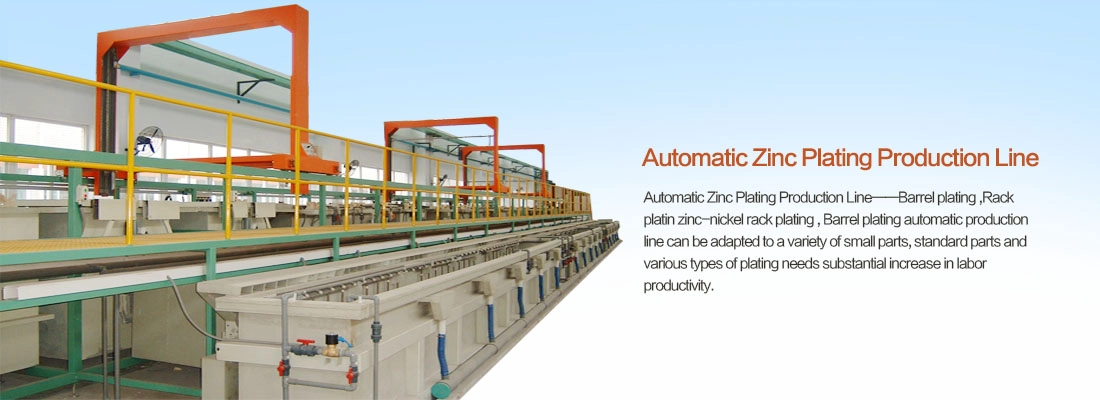
ความแตกต่างระหว่างสังกะสีจุ่มร้อนและการชุบสังกะสีแบบจุ่มร้อน

สังกะสีจุ่มร้อนและการชุบสังกะสีแบบจุ่มร้อนเป็นสองกระบวนการที่แตกต่างกันสำหร...

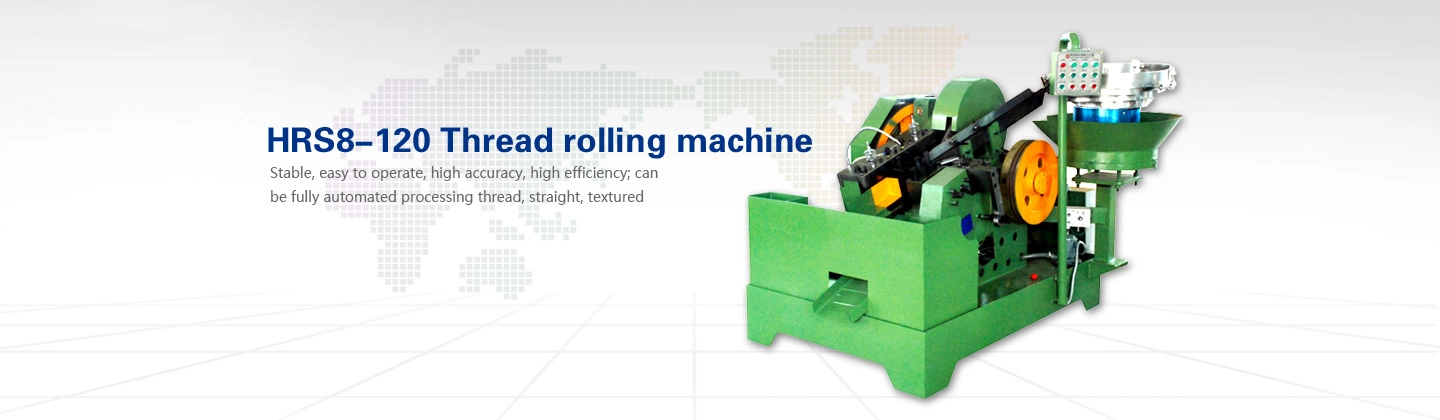
การกลิ้งด้าย

ขัน​​น็อตไม่สามารถปฏิเสธแรงเสียดทานอาจทำให้เกิดปัญหาในการแก้ปัญหา

สำหรับความตึงเครียดสายฟ้าแรงเสียดทานเป็นปัจจัยที่จะต้องคำนึงถึง กลอนแรงเสีย...

คู่มือฉบับสมบูรณ์เกี่ยวกับการชุบสังกะสี: ทั้งหมดที่คุณต้องรู้

การขึ้นรูปเย็นคืออะไร?

สกรูที่แตะด้วยตนเองคืออะไร?

สกรูที่แตะด้วยตนเอง: คล้ายกับสกรูของเครื่อง แต่เกลียวบนสกรูสำหรับสกรูที่แตะด...

การวิเคราะห์หลักการและหน้าที่ของเครื่องซักผ้าสปริง

ในการเชื่อมต่อเชิงกลทุกชนิดการต่อต้านการหนอนของสลักเกลียวเป็นลิงค์ที่สำคัญม...

High speed installation cold forging machine bolts and nuts making machine for screw

เรียกดูหมวดหมู่

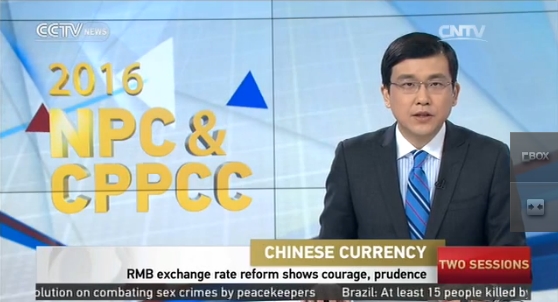
Full coverage: 2016 NPC & CPPCC Sessions

2016-07-05 11:15:34

China has been pursuing the reform of the RMB exchange rate in accordance with its economic development bank for decades. A dual-track currency system was first instituted in 1978. RMB could be only used domestically then. In the late 1980s and early 1990s, RMB became more convertible. The exchange rate was brought to realistic levels through the use of swap centres, and the dual-track currency system was abolished.

The country has maintained a fixed exchange rate for RMB relative to the US dollar since 1994. China initiated reforms in July 2005 by depegging the yuan from the US dollar. The central bank PBOC said it had shifted to "a managed floating exchange rate based on market supply and demand with reference to a basket of weighted currencies."

This year's government work report said China will keep the RMB exchange rate generally stable while continuing with reforms of exchange rate liberalization. China will also continue to improve the market-based mechanism for setting the RMB exchange rate.