













Asian Fastener Giants Accelerate Southeast Asian Factory Layout to Avoid Tariffs & Cut Labor Costs
SINGAPORE – Major fastener manufacturers from China, Taiwan and Japan have ramped up new factory construction and capacity expansion across Vietnam, Thailand and Indonesia in the first half of 2026, reshaping Asia’s fastener production map amid shifting global trade rules and rising domestic labor costs at home.
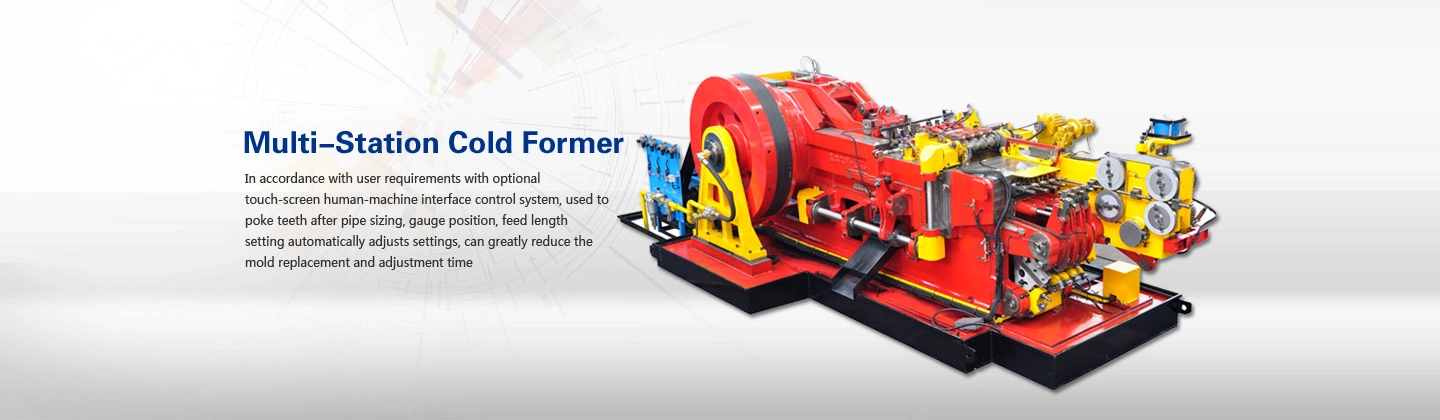
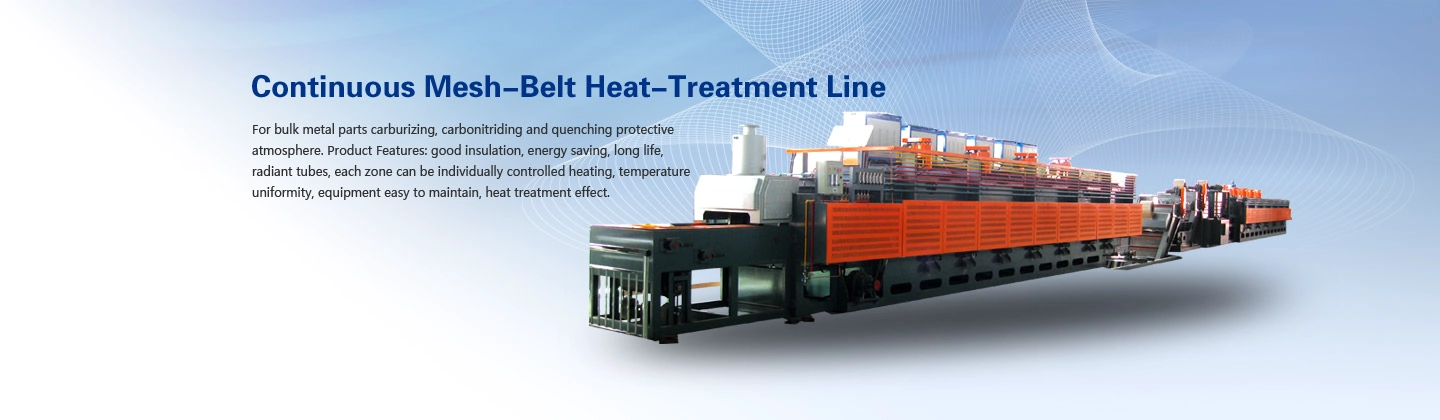
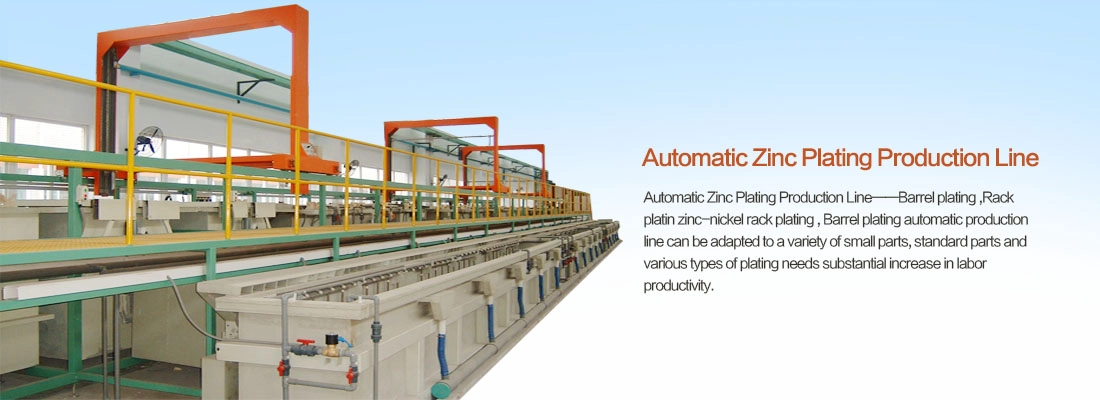
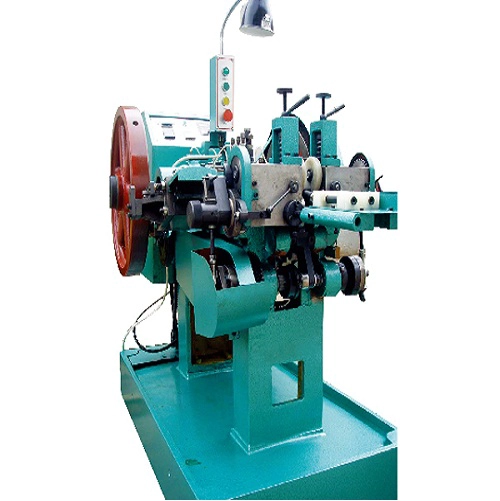
Industry statistics show over 12 new cold forging and surface treatment production lines were put into operation in Southeast Asia between January and June this year, with total investment exceeding $460 million. Many export-oriented fastener enterprises are shifting part of their standard bolt, nut and screw capacity offshore, mainly to bypass additional import tariffs imposed by North America and Europe on goods directly shipped from China.
Local industrial park officials in northern Vietnam revealed that fastener projects now account for nearly 18% of newly signed manufacturing investment in metal processing zones. Compared with inland Chinese factories, Southeast Asian bases enjoy two core advantages: lower hourly labor expenses and eligibility for tariff preferences under RCEP free trade agreements when exporting to ASEAN, Australia and New Zealand.
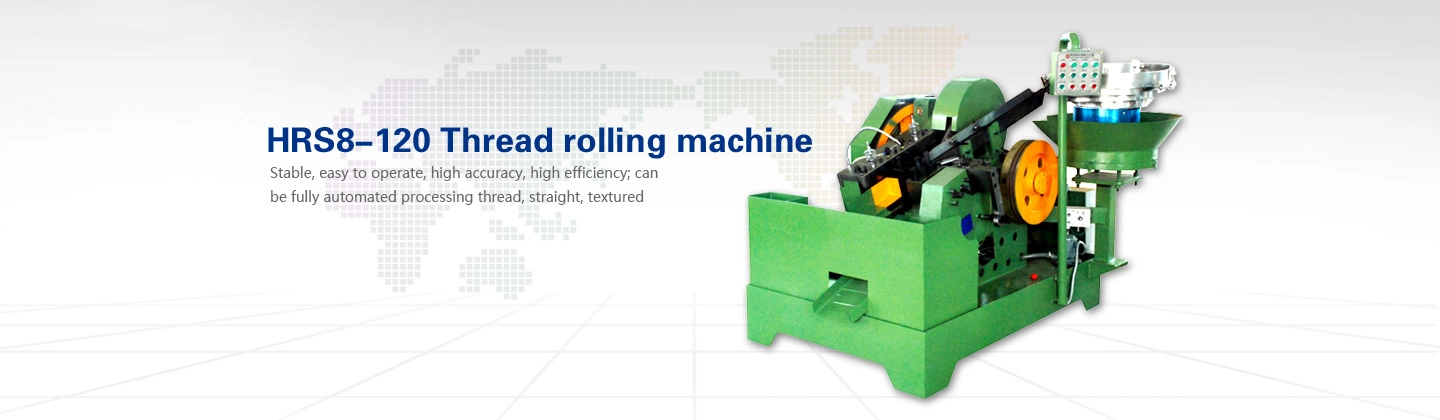
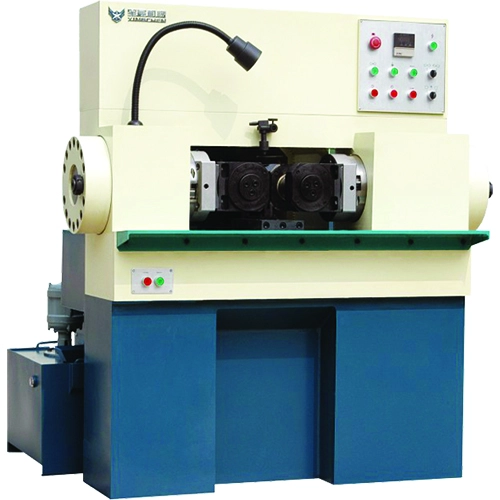
Nevertheless, plant operators face obvious operational challenges. Shortages of high-skilled technicians proficient in heat treatment and precision thread rolling restrict output of high-strength automotive and wind power fasteners. Raw material supply remains unstable; local steel supply cannot fully meet production demand, forcing factories to import steel wire rods from China, South Korea and Malaysia, extending lead times by 10–15 days on average.
Leading fastener enterprise executives shared unified adjustment strategies at the Singapore Asian Fastener Supply Chain Summit last week. First, retain high-end R&D and customized production headquarters in original home bases while transferring mass commodity fastener production to Southeast Asia. Second, build shared central steel warehouses in major port cities to stabilize raw material supply chains. Third, deploy full-process intelligent production equipment including AMR handling robots and AI visual defect inspection machines to offset insufficient skilled workers.
Analysts forecast the relocation trend will continue through 2028. The gap between low-margin standard fastener manufacturing and high-value specialty fastener R&D will further widen, and companies failing to balance regional layout will face shrinking overseas order volumes and squeezed profit margins.