














Continuous Mesh Belt Furnace: Reliable Heat Treatment Equipment for Fastener Cold Forming Lines
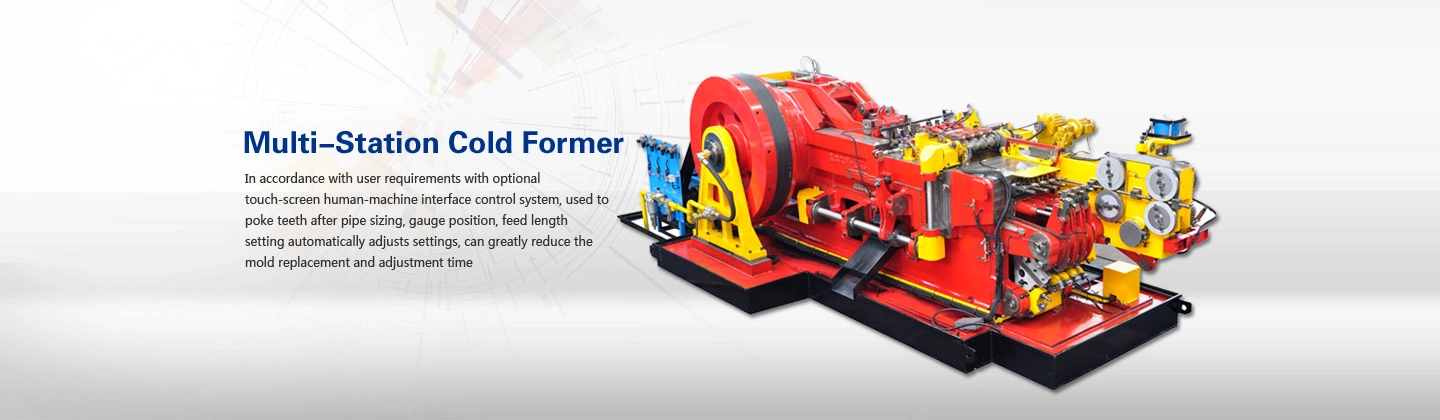
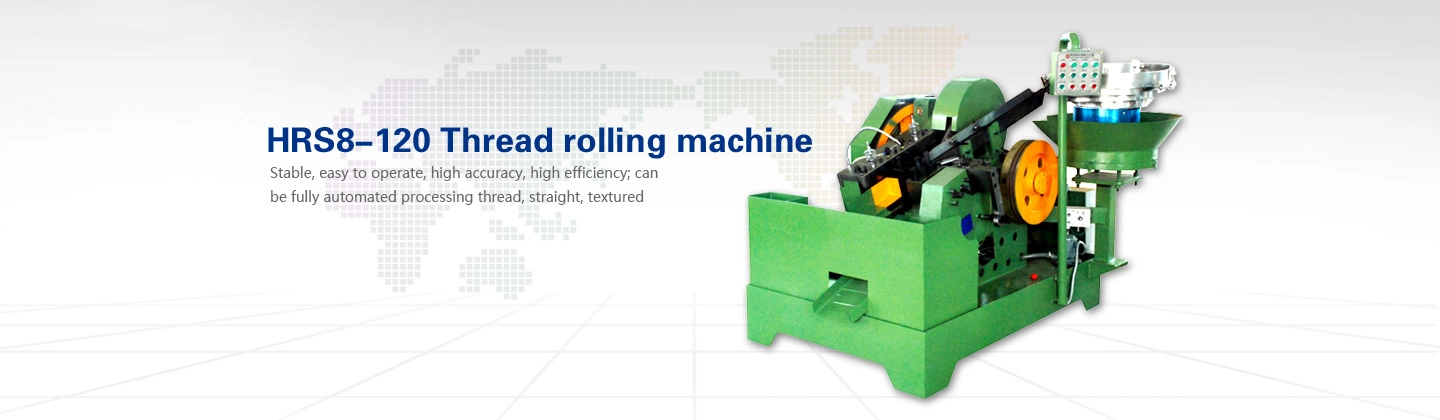
After cold forming via multi-station cold heading machines and thread rolling via automatic thread rolling machines, carbon steel, alloy steel and high-strength fasteners suffer from internal residual stress and uneven metal grain distribution. Without standardized heat treatment, finished screws and bolts will deform during assembly or fail fatigue tests. The continuous mesh belt furnace is the core inline thermal processing equipment for full-set fastener cold forming production lines, designed for uninterrupted large-scale quenching, tempering and bright annealing under protective atmosphere. Unlike batch box furnaces with intermittent feeding, mesh belt furnaces support 24-hour non-stop linkage with front-end cold forming equipment, which has become a mandatory configuration for EU and North America compliant fastener factories.
Working Principle of Continuous Mesh Belt Furnace
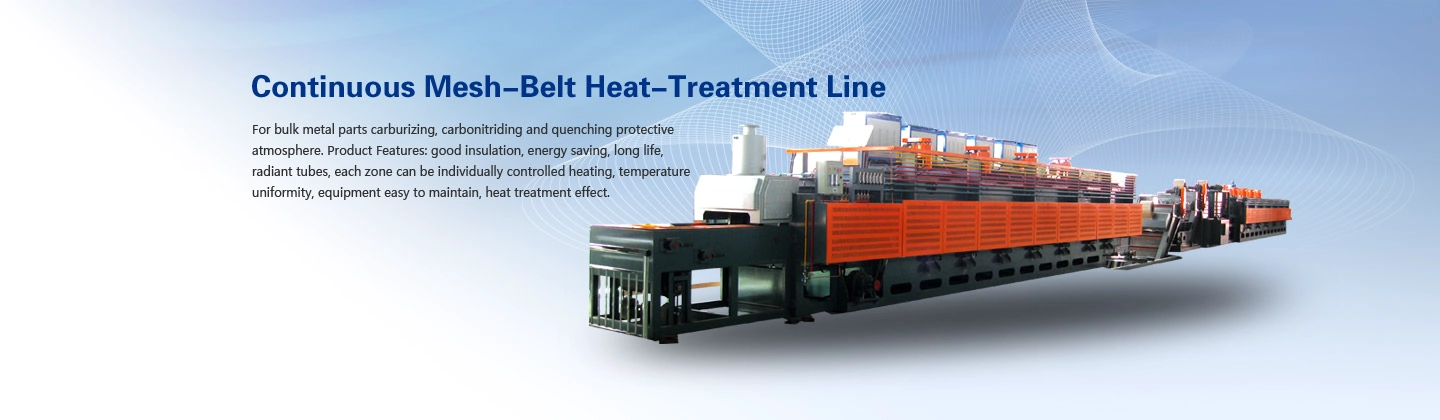
A complete industrial continuous mesh belt furnace is divided into five modular functional sections: feeding buffer section, preheating section, constant temperature heating section, rapid cooling quenching section and discharging tempering section. All heating cavities are fully sealed and filled with decomposed ammonia, nitrogen-hydrogen mixed protective atmosphere to isolate external oxygen and prevent fastener surface oxidation, decarburization and rusting.
Heat-treated workpieces including cold-headed studs, thread-rolled hex bolts and self-tapping screws are evenly spread on high-temperature resistant stainless steel mesh belts. The variable-frequency driven mesh belt runs at adjustable linear speeds ranging from 50mm/min to 500mm/min, matching the output rhythm of front-end thread rolling machines. Workpieces pass through each heating zone sequentially for gradual temperature rise, avoiding thermal cracking caused by sudden high temperature impact. After reaching the target austenitizing temperature (780℃-920℃ based on workpiece material), parts enter the oil or water spray quenching zone for rapid cooling, then proceed to low-temperature tempering to eliminate internal cold forming residual stress. The whole processing flow is fully automated with zero manual transfer.
Key Advantages Over Traditional Batch Furnaces
Google buyer search data indicates fastener manufacturers prioritize three pain points for heat treatment: inconsistent hardness, low production throughput and high surface defective rate. Continuous mesh belt furnaces solve these drawbacks compared with traditional batch carburizing furnaces and box furnaces with verifiable production data:
1. Consistent Thermal Performance for Batch Workpieces
Batch furnaces suffer from uneven temperature distribution inside the cavity, leading to 5-8 HRC hardness deviation among fasteners in the same batch, which causes large-scale incoming inspection rejection. Continuous mesh belt furnaces adopt PID closed-loop constant temperature control, with temperature fluctuation controlled within ±1℃ across all heating zones. Every single workpiece maintains identical heating time and cooling speed, keeping hardness deviation within ±1.5 HRC. This meets ASTM and DIN structural fastener standards for automotive chassis and wind power accessories.
2. Perfect Surface Brightness Without Secondary Polishing
Most low-end heat treatment equipment lacks sealed atmosphere protection, resulting in black oxide layers and surface decarburization on fasteners, requiring subsequent shot blasting or pickling treatment that increases production costs by 12%. Atmosphere-controlled continuous mesh belt furnaces isolate oxygen throughout heating and cooling processes. Carbon steel fasteners retain silvery metallic brightness after quenching and tempering, while stainless steel fasteners achieve mirror bright annealing effects. Manufacturers can omit secondary surface cleaning procedures to shorten delivery cycles.
3. Seamless Linkage with Cold Forming Production Lines
Batch furnaces require centralized collection and offline feeding of cold-formed fasteners, creating production bottlenecks and causing workpiece surface scratches during turnover. Continuous mesh belt furnaces can be directly docked with thread rolling machine discharge conveyors to realize one-piece flow production: wire feeding → cold heading → thread rolling → continuous heat treatment → finished product screening. The integrated line cuts workpiece turnover time by 60% and reduces scratch-related defective rates from 3.2% to below 0.4%.
4. Lower Long-Term Energy and Labor Consumption
Traditional batch furnaces need repeated heating and cavity cooling for each production batch, with high invalid energy consumption. Continuous mesh belt furnaces maintain constant cavity temperature for long-term operation, reducing unit power consumption by 27%. In terms of labor allocation, one technician can monitor 3 sets of mesh belt furnace units remotely, while batch furnaces require 2 dedicated operators for feeding and discharging, greatly cutting labor costs for mass production.
Main Application Scenarios Matching Cold Forming Equipment
Consistent with customer groups of multi-station cold heading machines and automatic thread rolling machines, continuous mesh belt furnaces cover mainstream precision fastener downstream industries:
- New Energy Vehicles: Quenching and tempering of battery terminal fasteners, suspension high-strength bolts to improve anti-vibration fatigue performance
- Wind Power and Photovoltaic: Bright annealing of hot-dip galvanized bracket screws, anti-corrosion foundation studs for outdoor wind farm facilities
- Precision Electronic Hardware: Low-temperature stress relief annealing of miniature M2-M5 thread rolling pins to avoid post-assembly deformation
- Construction Machinery: High-hardness quenching of large-size thread rolling bolts for engineering connecting structures
2026 Market Trends and Buyer Selection Guide
Driven by global carbon neutrality policies and stricter EU REACH regulations, the continuous mesh belt furnace industry presents two core upgrading trends. First, energy-saving infrared radiation heating modules replace traditional resistance heating tubes, cutting thermal radiation loss by 19% and complying with EU ERP energy certification. Second, intelligent atmosphere automatic calibration systems can adjust mixed gas ratio in real time according to workpiece material, reducing protective gas consumption by 23% and lowering operating costs for long-term production.
For targeted equipment matching: Factories producing standard carbon steel fasteners need conventional oil-quenching mesh belt furnaces; stainless steel and copper alloy fastener producers require full-atmosphere bright annealing mesh belt furnaces without quenching; high-precision miniature electronic fasteners need low-speed temperature-gradient mesh belt furnaces to prevent structural deformation.