













European Fastener Industry Calls for Supply Chain Resilience & Green Transition at London General Assembly
LONDON – The European Industrial Fastener Institute (EIFI) wrapped up its three-day annual General Assembly in London earlier this month, gathering over 300 fastener manufacturers that represent 75% of Europe’s total fastener output and employ 113,000 industrial workers across the continent. Core discussions centered on reshaping global supply chains, coping with carbon tariffs, and seizing new growth opportunities from clean energy infrastructure.
Paolo Pozzi, President of EIFI, opened the summit by highlighting unprecedented industrial headwinds facing European bolt, nut and screw producers. Geopolitical trade tensions, volatile energy costs, and the rollout of the EU Carbon Border Adjustment Mechanism (CBAM) have squeezed profit margins for mid-sized fastener factories. Meanwhile, surging exports of Chinese new-energy vehicles have intensified competition in the automotive fastener segment, forcing European players to upgrade high-strength, lightweight fastening solutions for electric vehicles.
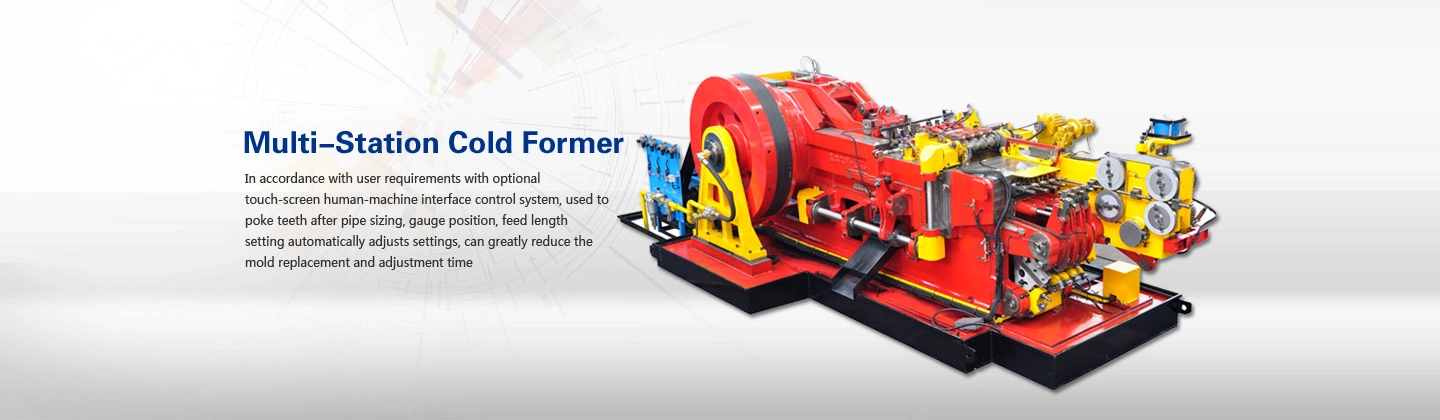
Industry delegates reached a joint consensus to push for unified cross-border trade policies within the EU to cut tariff barriers between member states. The assembly also identified high-growth downstream markets: nuclear power plants, offshore wind farms and defense construction projects will drive steady demand for corrosion-resistant, ultra-high-tensile fasteners over the next five years. Artificial intelligence was widely discussed as a key transformation tool—many manufacturers plan to deploy AI in raw material inspection and automated cold forging lines to slash waste and lift production efficiency.
“We cannot rely solely on low-cost mass production anymore,” Pozzi stated. “European fastener firms must balance competitiveness, supply chain self-sufficiency and sustainable manufacturing to maintain long-term industrial advantages. We will launch a cross-Europe green fastener certification standard by early 2027 to help local suppliers comply with global low-carbon procurement rules.”