














Multi-Station Nut Former: Automated Cold Forming Equipment for Standard and Custom Nuts
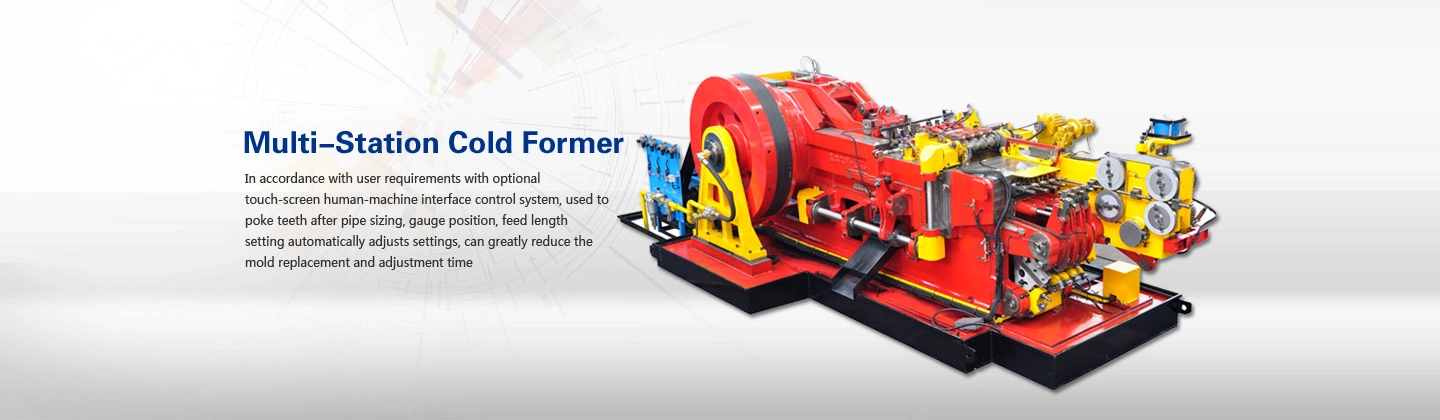
While multi-station cold heading machines focus on bolt and screw blanks, the multi-station nut former is purpose-built cold forging equipment dedicated to nut manufacturing, filling the blank of female fastener production in full cold forming lines. Traditional single-station nut headers require repeated manual blank transfer and secondary shaping, leading to low output and poor concentricity. Amid surging demand for automotive, photovoltaic and construction nuts, servo-driven multi-station nut formers have become mainstream for fastener factories targeting EU and North American export markets, perfectly matching downstream continuous mesh belt furnaces and internal tapping machines for full-process automated production.
Working Principle of Multi-Station Nut Former
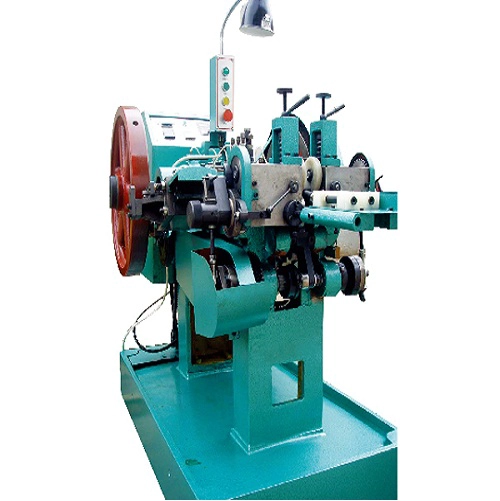
Industrial multi-station nut formers are commonly configured with 3 to 6 sequential stations, tailored for through-hole and blind-hole nut forming. Unlike bolt cold headers that focus on head upsetting, nut formers prioritize hole piercing, cavity shaping and chamfer finishing. The fully automated closed-loop workflow requires zero manual intervention from raw wire to finished nut blanks: wire straightening → fixed-length blank cutting → surface lubrication → station-by-station cold extrusion → central hole piercing → outer edge chamfering → finished blank discharging.
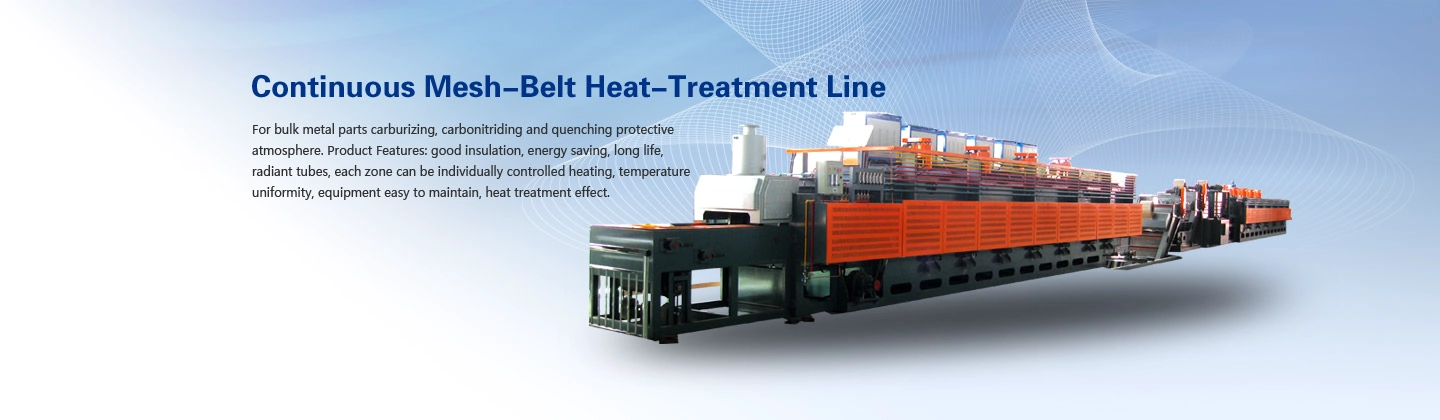
Equipped with cam-driven cross grippers, the machine transfers semi-finished blanks between stations without offset or surface scratching. All forming procedures operate at room temperature without heating, preserving integrated metal fiber structures. For thin-wall flange nuts and square weld nuts that are prone to deformation, segmented pressure adjustment avoids blank cracking during piercing. Standard models run synchronous feeding and forming cycles, eliminating idle stroke and improving overall operational stability. After forming, nut blanks are directly conveyed to continuous mesh belt furnaces for stress relief and quenching, realizing seamless inline production.
Core Advantages vs. Single-Station Nut Cold Headers
Google buyer search statistics show nut manufacturers mainly focus on four pain points: low production capacity, high blank cracking rate, inconsistent hole concentricity and excessive lubricant waste. Multi-station nut formers solve these industrial pain points with quantifiable production advantages:
1. 280% Higher Continuous Production Capacity
Conventional single-station nut headers only produce 35-50 nut blanks per minute due to limited single-action extrusion. High-speed 5-station multi-station nut formers reach 160-220 pieces per minute for M3-M12 standard hex nuts, and heavy-duty models for M14-M24 structural nuts maintain 70-90 pieces per minute. Thanks to parallel multi-station simultaneous operation, one single multi-station nut former replaces three single-station units, cutting workshop floor occupancy by 55% and reducing shift staffing from 4 operators to 1 remote monitor.
2. Ultra-Low Blank Defect Rate for Pierced Holes
Single-station equipment completes piercing and shaping in one single extrusion stroke, which generates concentrated internal stress and causes 4.2% hole cracking and edge collapse defects. Multi-station formers adopt progressive gradual extrusion: each station only completes 15%-25% of total metal deformation. Distributed pressure release eliminates residual stress, dropping the finished nut blank defect rate to below 0.3%. The central hole concentricity is controlled within ±0.008mm, fully meeting DIN 934 and ASTM A563 international nut tolerance standards.
3. Versatile Compatibility for Diverse Nut Types
By replacing station-specific carbide dies and adjusting gripper spacing, one multi-station nut former can produce over 12 types of nuts and special hollow fasteners without major structural modification. Covering mainstream products: standard hex nuts, flange nuts, square weld nuts, blind cap nuts, slotted lock nuts and anchor nut blanks. It also processes multiple raw materials including 10B21 alloy steel, 304/316 stainless steel, aluminum and brass, solving the problem of scattered equipment investment for mixed product batches.
4. Optimized Energy and Lubrication Consumption
New-generation servo-controlled nut formers adopt variable-frequency main motors that automatically adjust power output according to blank size, cutting idle power consumption by 31% compared with traditional constant-power hydraulic nut machines. The circulating micro-lubrication system only sprays lubricant on forming contact surfaces, reducing lubricant consumption by 40% compared with full soaking lubrication. This design complies with EU ERP energy-saving and industrial emission standards, avoiding cross-border export customs clearance obstacles.
Inline Matching with Existing Cold Forming Production Lines
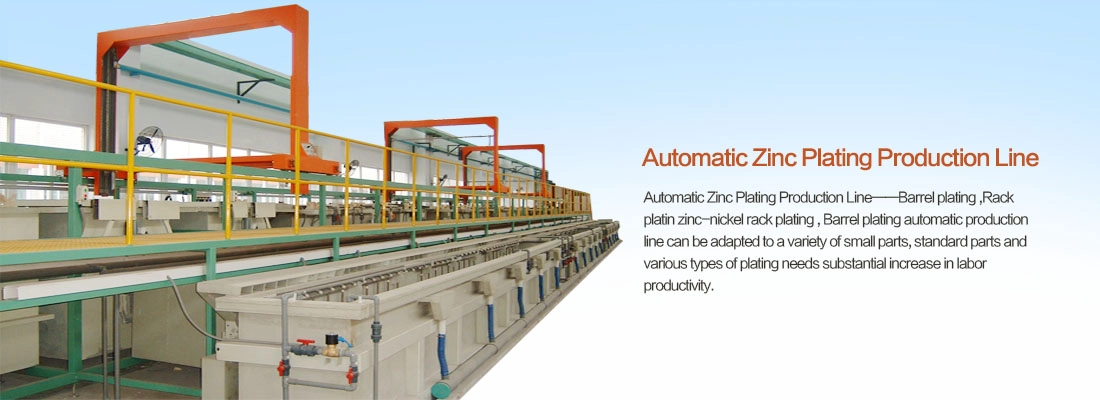
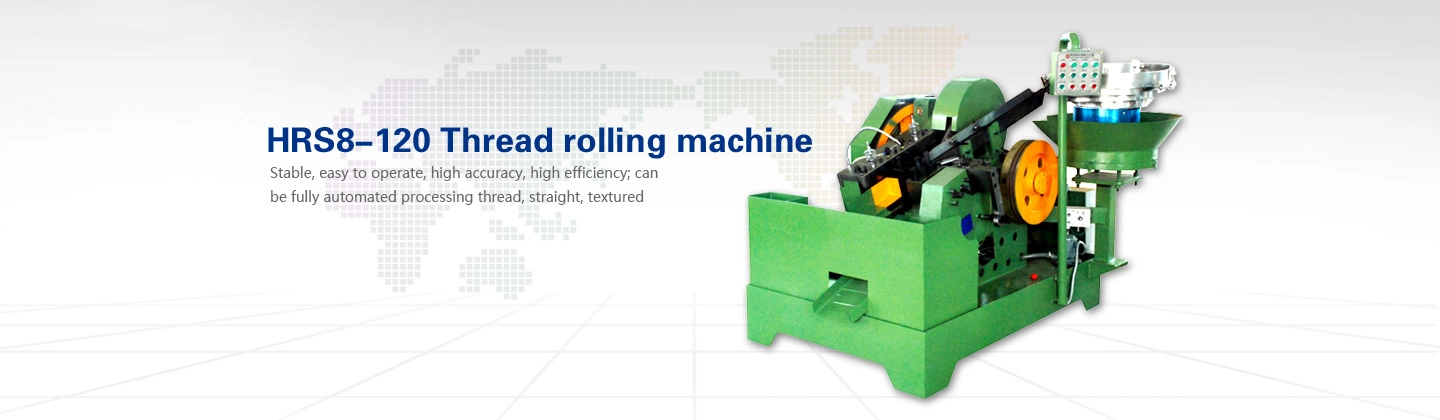
To form a complete female fastener production chain complementary to bolt cold forming lines, the standard matching process is: Multi-station nut former → descaling → continuous mesh belt furnace quenching and tempering → internal thread tapping → surface galvanization. Unlike bolt lines equipped with thread rolling machines, nut lines use internal tapping equipment, which forms differentiated product layout for website SEO internal drainage.
Target end-user industries aligned with previous three equipment articles:
-
New Energy Vehicles: Flange lock nuts for battery module fixing, lightweight aluminum chassis nuts with anti-loose performance
-
Photovoltaic Power Generation: Hot-dip galvanized square weld nuts for solar bracket connection, corrosion-resistant foundation nuts
-
Precision Consumer Electronics: Miniature M2-M5 thin hex nuts for circuit board and shell assembly
-
Construction and Railway Transit: High-strength structural nuts for bridge steel structures and track fixing components
2026 Industry Trends and Procurement Selection Tips
The global multi-station nut former market grows at a CAGR of 9.7% driven by the expansion of new energy infrastructure. Two core intelligent upgrades dominate current procurement demands. First, AI die wear early warning systems monitor extrusion pressure and blank feeding position in real time, automatically adjusting feeding speed to prevent die damage and unqualified products. Second, low-noise vibration damping structures reduce operating noise below 76dB, meeting strict workplace noise limits in Germany, France and other European regions.
Customized selection guidelines for buyers: Small factories focusing on M3-M10 standard hex nuts choose 4-station economical servo models; manufacturers producing blind and flange nuts require 5-6 station extended-stroke nut formers; stainless steel nut production needs high-hardness tungsten carbide die packages to extend die service life by 60%.
Conclusion
As global fastener procurement shifts toward one-stop integrated supply, separate bolt and nut production lines are gradually integrated. The multi-station nut former acts as the core dedicated equipment for female fastener cold forming, featuring high precision, low defect rate and strong material adaptability. When matched with continuous mesh belt furnaces and tapping machines, it enables fully automated nut production, helping fastener manufacturers shorten delivery cycles and pass international third-party quality audits.