















Principle and Advantages of Punching Flat Gaskets
Flat gaskets are essential components widely used in mechanical assembly, pipeline connections, and sealing systems. Punching, as a core cold-forming process, has become the dominant manufacturing method for flat gaskets due to its high efficiency, precision, and cost-effectiveness. This paper elaborates on the working principle of punching flat gaskets and systematically analyzes its technical and economic advantages, providing a theoretical reference for the optimization of gasket production processes.
1. Introduction
Flat gaskets (also known as flat washers) are annular thin parts designed to distribute load, protect contact surfaces, compensate for gaps, and improve sealing performance. With the rapid development of manufacturing industries such as automotive, aerospace, and construction machinery, the demand for flat gaskets is growing exponentially, posing higher requirements for production efficiency, dimensional accuracy, and consistency. Punching technology, which forms parts at room temperature using a press and dedicated dies, perfectly meets these industrial needs and has gradually replaced traditional cutting and casting processes in gasket manufacturing.
2. Working Principle of Punching Flat Gaskets
Punching flat gaskets is a typical shear forming process in cold stamping, which realizes the separation and forming of metal sheets through the relative motion of the punch and die. The whole process can be divided into three stages:
2.1 Elastic Deformation Stage
The metal sheet is positioned and clamped between the upper punch and the lower die. As the press drives the punch downward, the sheet is subjected to compressive stress, producing elastic deformation without material separation.
2.2 Plastic Shear Separation Stage
With the continuous increase of pressure, the shear stress inside the sheet exceeds the material's shear strength. The sheet undergoes plastic deformation along the contour of the die, and a clean shear fracture is formed between the punch and die, separating the gasket blank from the raw material.
2.3 Sizing and Ejection Stage
The punch continues to move downward to ensure complete separation. The ejection mechanism of the die pushes the formed flat gasket out of the die cavity, completing a single stamping cycle.
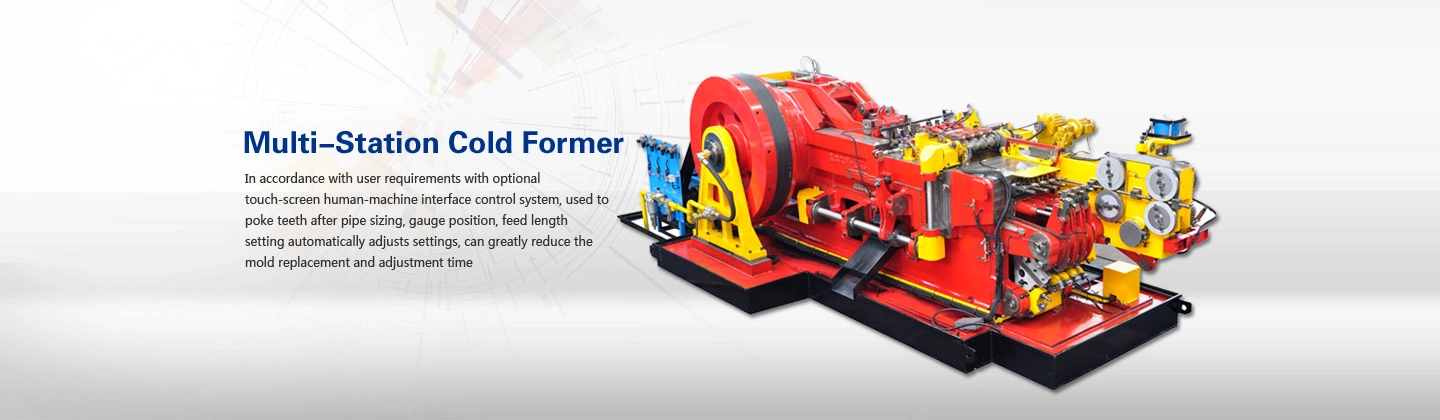
The core components of the system include the press (providing stamping force), the compound die (integrating blanking and punching functions), the feeding mechanism (realizing automatic sheet supply), and the control system (ensuring motion accuracy). For annular flat gaskets, compound dies are commonly used to complete outer circle blanking and inner hole punching in one stroke, greatly improving production efficiency.
3. Core Advantages of Punching Flat Gaskets
3.1 Ultra-high Production Efficiency
Single-stroke forming: Compound dies can produce a qualified flat gasket in one press stroke, with a production speed of up to hundreds to thousands of pieces per minute.
Automatic adaptation: It is easy to integrate with automatic feeding, sorting, and packaging lines, realizing fully automated production and reducing manual intervention.
3.2 Excellent Dimensional Consistency
High repeatability: The die's precision determines the gasket's size, with a dimensional tolerance of up to ±0.01mm, ensuring 100% interchangeability of parts.
Stable quality: The cold stamping process avoids thermal deformation, and the surface roughness and flatness of the gasket are significantly better than those of machined parts.
3.3 Remarkable Material Utilization
Nest layout: The sheet can be arranged in a nested layout, minimizing the leftover material; the material utilization rate is generally above 70%, much higher than that of turning and milling processes.
Wide material adaptability: Suitable for carbon steel, stainless steel, copper alloy, aluminum alloy, and non-metallic materials such as PTFE and graphite, with strong process compatibility.
3.4 Low Comprehensive Production Cost
Low unit cost: Mass production dilutes the die cost, and the unit price of punched gaskets is only 1/5 to 1/10 of that of machined gaskets.
Low energy consumption: Cold forming does not require heating, saving energy consumption compared with hot working processes.
3.5 Strong Process Flexibility
Quick die change: By replacing the die set, gaskets of different specifications (inner diameter, outer diameter, thickness) can be produced, meeting the needs of multi-variety and small-batch production.
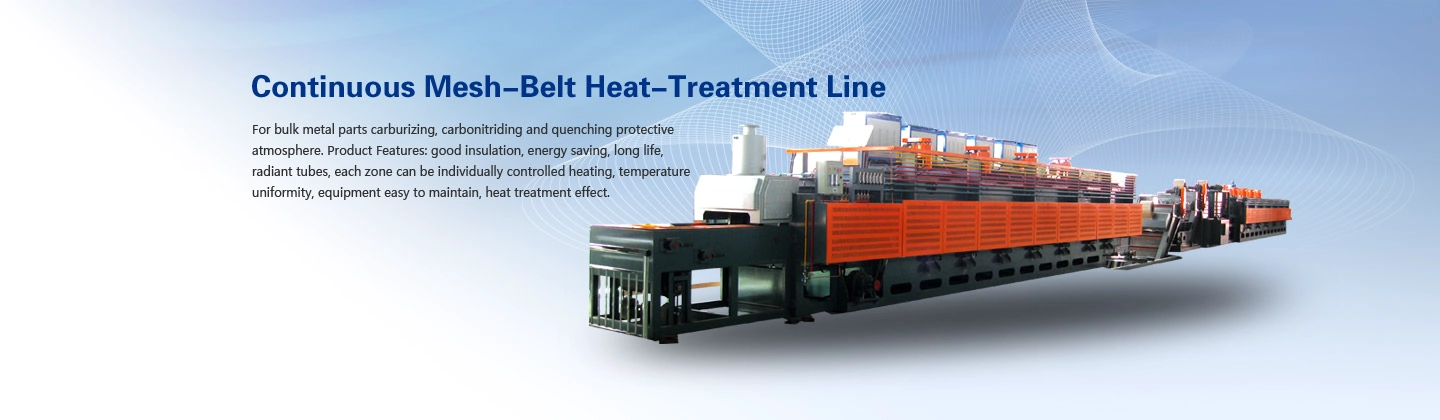
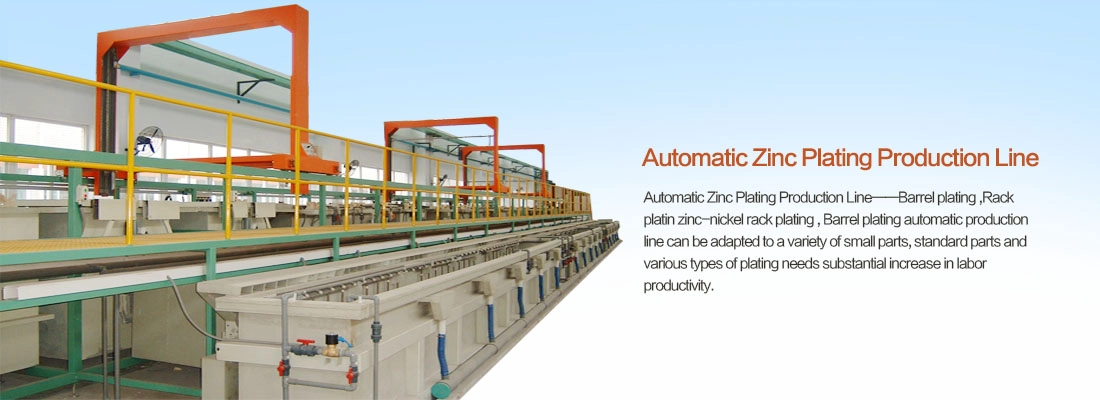
Post-process integration: It can be combined with surface treatment processes such as galvanizing, phosphating, and passivation to realize one-stop production.
4. Application Scenarios and Industrial Value
Punched flat gaskets are widely used in:
Automotive industry: Engine assembly, chassis connection, and pipeline sealing;
Mechanical equipment: General machinery, electrical appliances, and instrument assembly;
Construction engineering: Steel structure connections, pipeline flange sealing;
Aerospace: High-precision connectors and sealing systems.
This process not only improves the production capacity of gasket manufacturers but also reduces the procurement cost of end-users, promoting the standardized and modular development of mechanical assembly.
5. Conclusion
Punching flat gaskets adopts the cold shear forming principle, with the technical characteristics of high efficiency, high precision, and low consumption. Its advantages in production efficiency, dimensional consistency, material utilization, and cost control make it the preferred process for flat gasket manufacturing. With the continuous progress of die manufacturing technology and press automation technology, the punching process will further develop in the direction of higher precision, intelligence, and green production, and continue to play a pivotal role in the global manufacturing industry.