












Home > News > Non-abrasive Threads Heating Furnace Carburizing Furnace for Nuts Screws Bolts > Standard Specification for General Requirements for Wire Rods and Coarse Round Wire, Carbon Steel, and Alloy Steel
Browse Categories
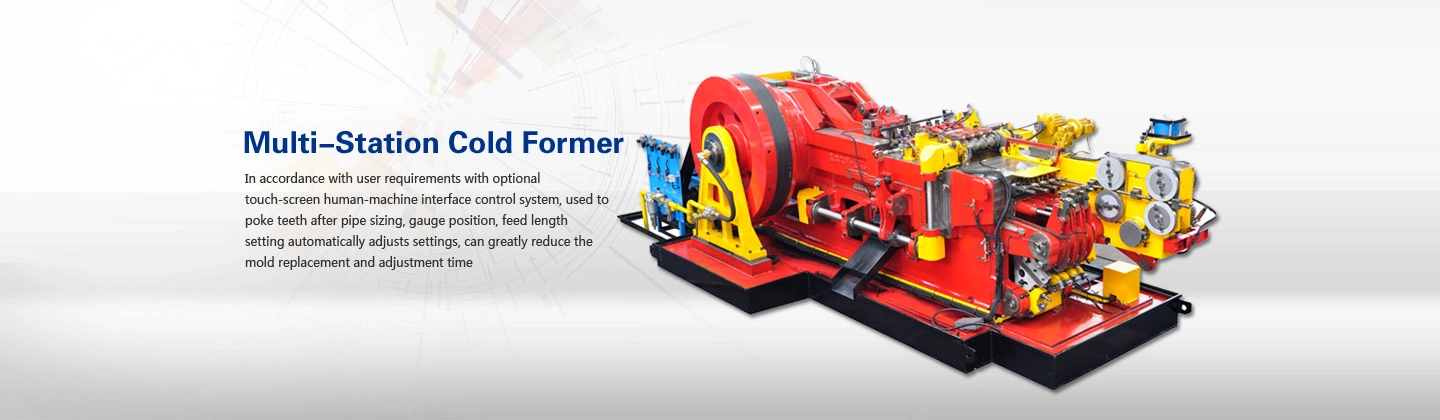
A cold heading machine for what
6 Station Part Maker Cold Heading Machine Bolt Making Machines with PLC
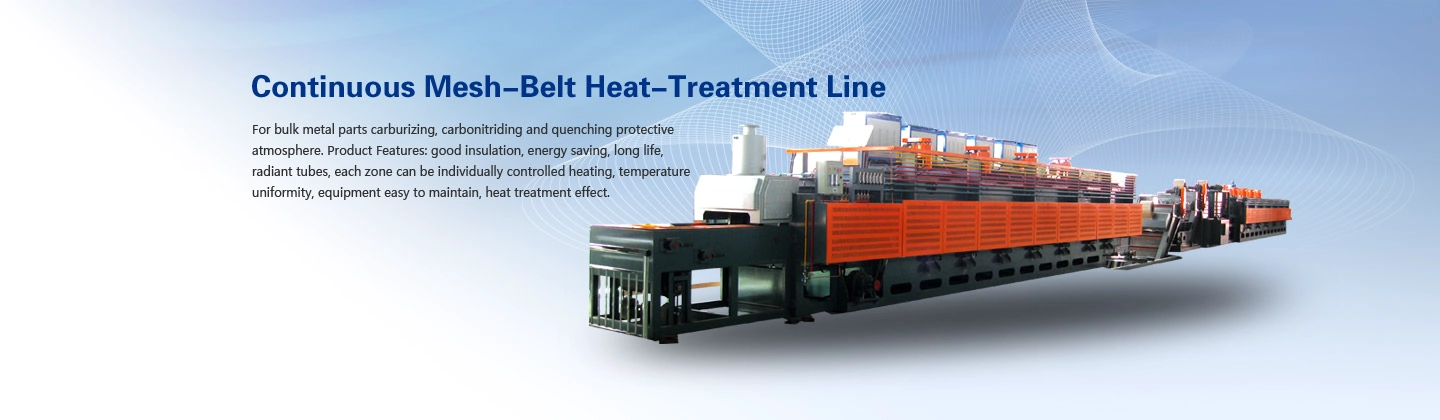
Non-abrasive Threads Heating Furnace Carburizing Furnace for Nuts Screws Bolts
M2 to M36 all size cold forging machine bolt maker with cover
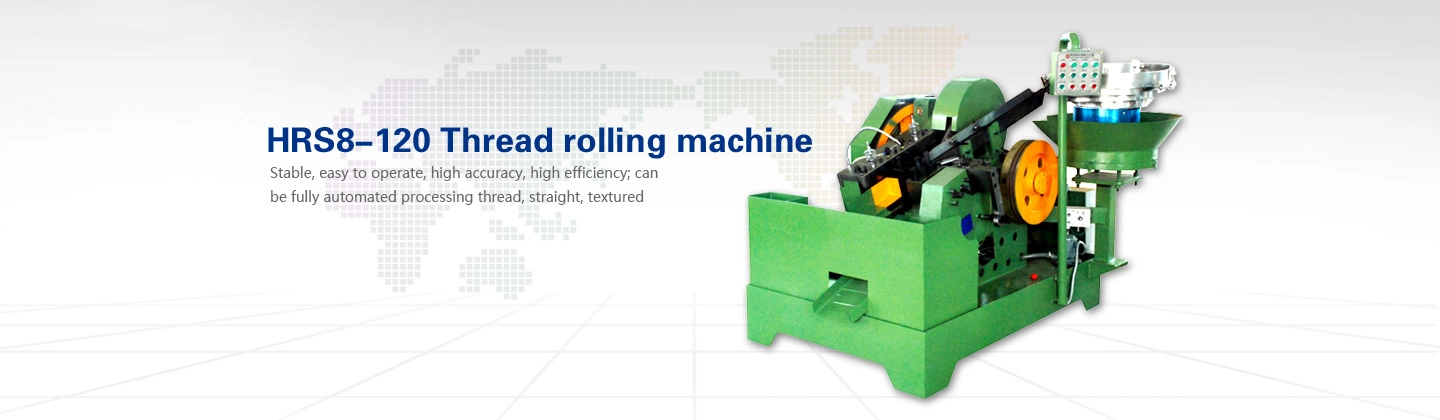
Semi Cover Screw Threading Machine Thread Rolling Machine for Drywal Screws
Micro Nut Drilling Machine Nut Tapping Machine for Flange Nut
M2 M4 Micro Nut Threading Machine Nut Tapping Machine with Hopper
Automatic Cold Forging Machine Six Station Nut Bolt Making Machine for Screws and Bolts
The Last Day of Fastener Fair Global Stuttgart 2025 Trade Show
Industry News
Company News
Certifications
Contact Us
Harbin Rainbow Technology Co., Ltd.Address:C2-02 Handi Building,Songbei Distr.,Harbin,ChinaPostal Code:150028Web site address:http://www.fastenerequip... Contact Now
News

What is Cold Forging – Cold Forging Process, Materials, Uses, Advantages & Disadvantages

Working principle of nut tapping machine

Nut tapping machine is a kind of machining equipment that processes internal threads, screws or teeth buckles on the inner side of the holes of variou...

Difference between hot dip zinc and hot dip galvanising

Hot-dip zincing and hot-dip galvanising are two different processes for corrosion protection of metals, with hot-dip zincing usually providing better ...

Tightening bolts can not be ignored friction can cause problems to solve the problem

fortensionbolt, The friction force is a factor to be reckoned with. Bolt friction joint has been in existence, it may be part of the reason that cause...

Thread Rolling

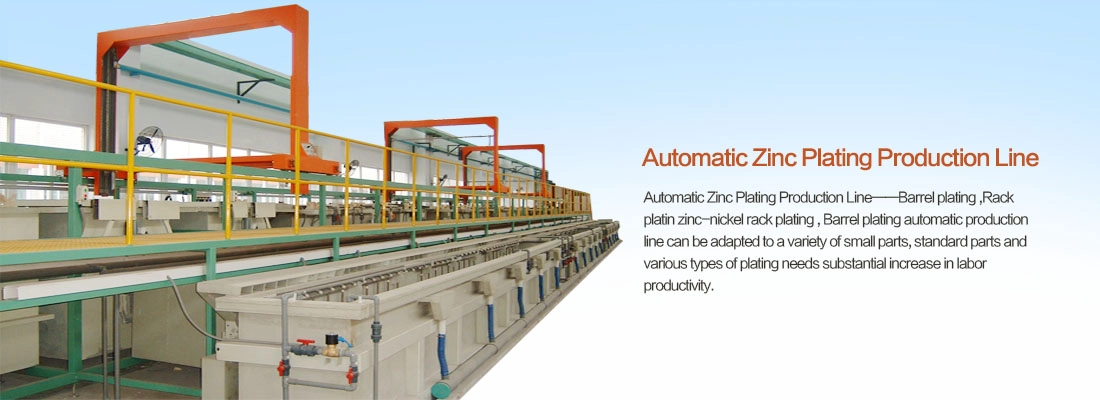
The Complete Guide to Zinc Plating: All You Need To Know

What Is Cold Forming?

What's self-tapping screw?

Self-tapping screws: similar to machine screws, but the threads on the screw for special self-tapping screws with threads. Used to fasten the connecti...

High speed installation cold forging machine bolts and nuts making machine for screw

Analysis of the principle and function of spring washers

In all kinds of mechanical connections, the anti-loosening of bolts is a very important link, and there are many ways to prevent loosening of bolts in...

Browse Categories

Standard Specification for General Requirements for Wire Rods and Coarse Round Wire, Carbon Steel, and Alloy Steel

2025-11-24 12:19:01

Standard Specification for General Requirements for Wire Rods and Coarse Round Wire, Carbon Steel, and Alloy Steel

UNS G10250
SAE
 
1025
Corresponding standard ASTM A510/A510M-2013
Standard Specification for General Requirements for Wire Rods and Coarse Round Wire, Carbon Steel, and Alloy Steel
Classification Carbon Steel
Usage Weldability
Tag Fasteners making material
Description

Features and Applications


Due to its carbon content range being higher than that of the lowest carbon content carbon steel groups 1006 to 1015, it has the ability to increase strength and hardness as well as reduce cold forming.

During heat treatment, it is recognized as carburized or surface-hardened steel.


Under given quenching conditions, an increase in carbon content can achieve greater core hardness or allow for the use of thicker cross-sections. 

The increase of manganese will improve the hardenability of both the surface and the core. It is the only element in the composition of carbon steel that can increase the surface hardenability. 

Moreover, the higher the content of manganese, the better the mechanical processing performance. 1025 has a low manganese content and good cold formability, and is widely used in the manufacture 

of low-strength bolts.


The content of chemical element composition(%)

Composition C Mn P S
Min.Value 0.22 0.3 - -
Max.Value 0.28 0.6 0.04 0.05

*The grade and composition shall comply with ASTM A1040-10(2015).

carbon steel requirement when the silicon content of Si, usually in the following six selected: Si acuities were 0.10%, 0.10% ~ 0.20%, 0.15% ~ 0.35%, and 0.15% ~ 0.4%, 0.20% ~ 0.40%, and 0.30% ~ 0.60%.

When the content of copper (Cu) in carbon steel is required to be specified, Cu should be ≥ 0.2%.

When boron is added to killed steel to enhance its hardenability, titanium is usually added to protect the boron from oxidation. At this point, the boron content is 0.0005 to 0.003%. If titanium is not allowed to be added, 

the boron content can reach 0.005% to enhance hardenability.