














The Precision Powerhouse: Multi-Station Bolt Cold Heading Machines Revolutionizing Fastener Manufacturing
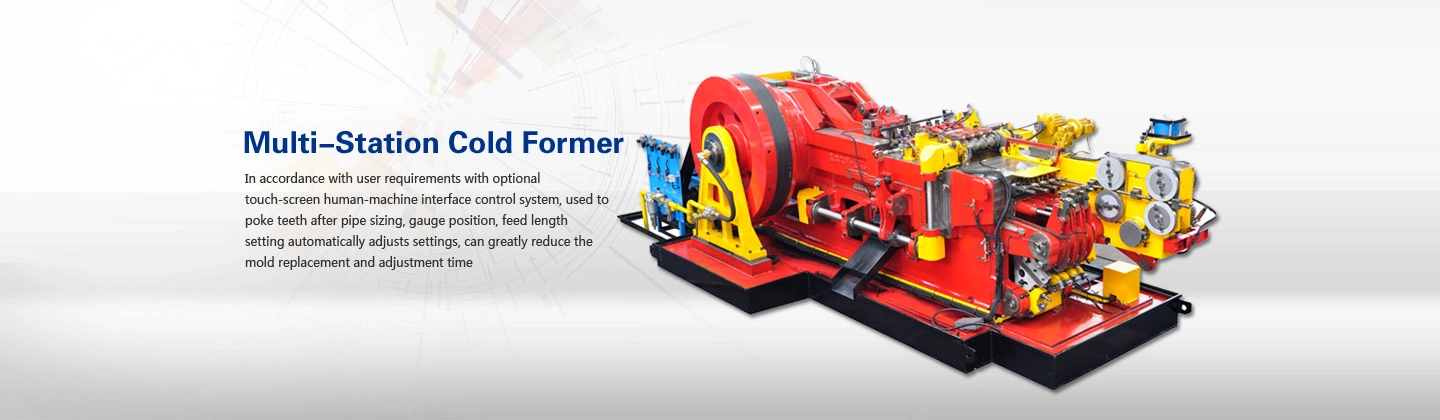
In the heart of modern industrial production, multi-station bolt cold heading machines stand as engineering marvels, transforming raw metal wires into high-strength bolts, screws, and fasteners with unmatched efficiency and precision. As industries from automotive to construction demand increasingly reliable components, these machines have become indispensable. Let’s explore their workings, applications, and the future they’re shaping.
1. How It Works: Cold Forging Excellence
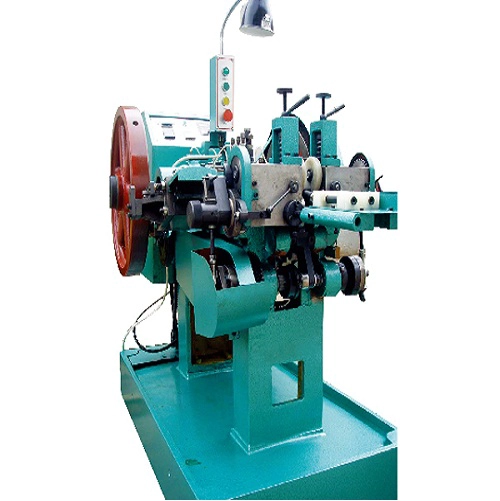
Multi-station cold heading machines utilize cold forging technology, where metal wires (typically carbon steel, stainless steel, or aluminum) are shaped at room temperature through high-pressure plastic deformation. This process avoids material waste and enhances structural integrity. The workflow involves:
- Step 1: Feeding – Wire rods are fed automatically via rollers.
- Step 2: Cutting & Transferring – Precise blades cut blanks, which are moved sequentially through rotating die boxes.
- Step 3: Multi-Station Forming – Each station performs a specific task (e.g., heading, threading, chamfering) using synchronized punches and dies.
- Step 4: Ejection – Finished bolts are ejected for collection.
The absence of heat reduces energy costs and prevents oxidation, while cold work hardening boosts product hardness and tensile strength.
2. Why Industries Rely on Them
These machines excel in producing high-volume, high-precision fasteners critical to:
- Automotive & Motorcycles: Engine bolts, wheel nuts, and bearing seats requiring fatigue resistance.
- Construction: Reinforcing bars (rebar) and anchor bolts for structural stability.
- Hardware & Electronics: Miniature screws and connectors with tight tolerances.
For example, a single machine can forge M24 (or smaller) bolts economically at rates of 100–300 pieces per minute.
3. Technological Evolution: Smarter, Faster, Greener
Modern advancements focus on:
- Automation & Intelligence: Integrated sensors monitor tool wear and product quality, reducing downtime.
- Energy Efficiency: Optimized drive systems (e.g., link-motion mechanisms) cut power consumption by up to 30%.
- Flexibility: Quick-change die systems allow rapid switching between bolt specifications.
Leading Chinese manufacturers, like Jinnuo Machinery, now offer IoT-enabled models for real-time production analytics.
4. Market Outlook: China’s Rising Dominance
China’s multi-station cold heading machine market is poised for robust growth, driven by:
- Infrastructure Expansion: Demand for construction fasteners amid urbanization.
- Automotive Electrification: EV assembly lines require specialized, high-strength fasteners.
- Export Opportunities: Competitive pricing and improving technical standards boost global appeal.
Industry reports project a CAGR of 6.8% through 2024, with innovations in multi-stage cold formers (级进式冷镦机) leading the charge.
5. Operational Best Practices
To maximize machine longevity and safety:
- Regular Maintenance: Lubricate moving parts, inspect dies, and calibrate feed systems weekly.
- Safety Protocols: Install protective guards on cutting zones and emergency brakes.
- Material Selection: Use certified “cold heading quality” (CHQ) steel to prevent cracking during deformation.
In Summary
Multi-station bolt cold heading machines epitomize manufacturing ingenuity—melding speed, precision, and sustainability. As industries push for lighter, stronger, and smarter components, these machines will remain at the forefront of fastener innovation. For manufacturers, investing in advanced cold heading technology isn’t just an upgrade; it’s a strategic leap toward future-proof production.