





Cold Heading and Thread Rolling: Core Forming Technology for High‑Volume Industrial Fasteners
Cold heading and thread rolling are the foundational forming technologies behind nearly all mass‑produced standard fasteners including hex bolts, machine screws, self‑tapping screws, rivets and studs. Unlike subtractive machining which cuts away excess metal, cold forming deforms wire stock at room temperature under high pressure inside precision dies, reshaping the blank into the required geometry without removing material. This fundamental difference defines the mechanical advantages, cost structure, production speed and limitation envelope of modern fastener manufacturing. For fastener purchasers and mechanical designers, understanding these two processes is essential to distinguish premium‑quality parts from low‑cost alternatives and avoid premature joint failure caused by poor forming quality.
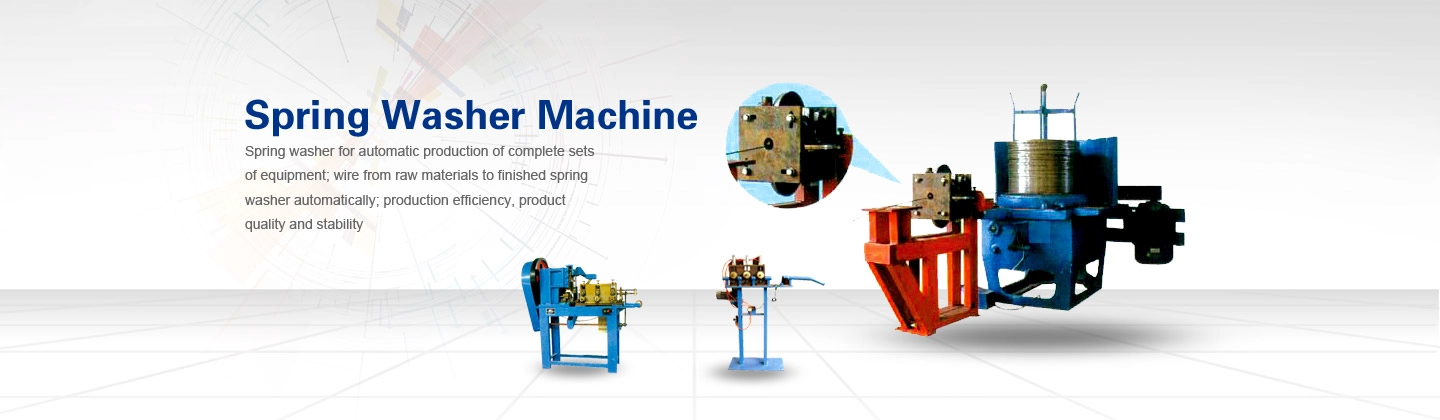
The full cold forming production chain starts long before the wire reaches the cold heading machine. The raw input is steel wire coil, supplied in controlled wire diameter and metallurgical condition. The first stage is wire drawing, where the wire is pulled through carbide dies to reduce diameter to the exact blank size for the target fastener. Drawing induces work hardening; therefore medium carbon and alloy steel wire for high‑strength fasteners usually goes through spheroidizing annealing. Spheroidization turns lamellar pearlite into spherical cementite particles, lowering hardness and improving ductility, so the wire can withstand severe upsetting at the heading station without splitting. After annealing, the wire receives a phosphate and soap lubricant coating. This dry lubricant film is critical: it reduces die friction, prevents metal adhesion, and acts as the carrier for cold heading oil during forming. If the lubrication layer is uneven or incomplete, die wear accelerates, and surface cracking becomes highly likely, especially for high reduction ratios on alloy steel.
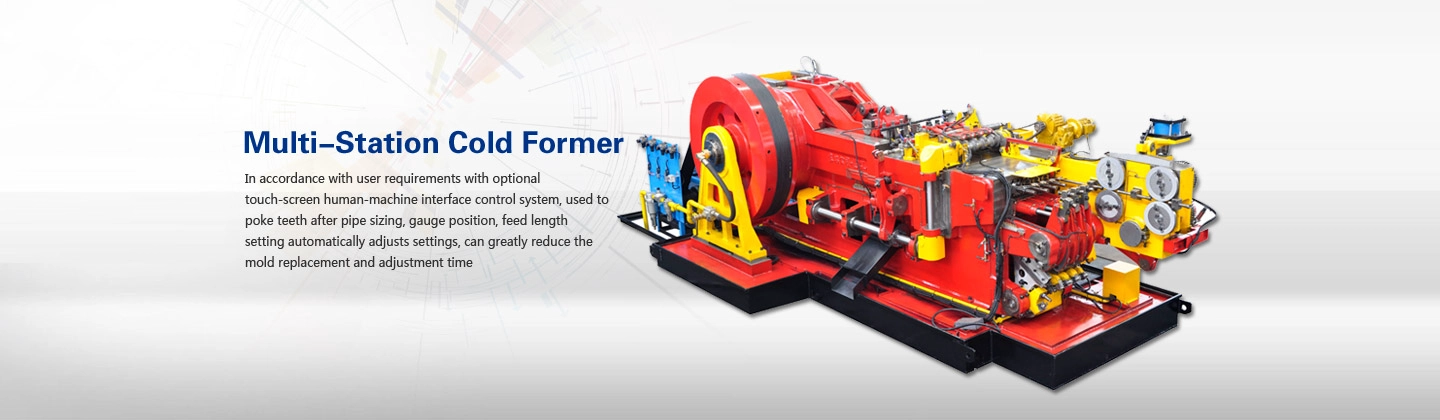
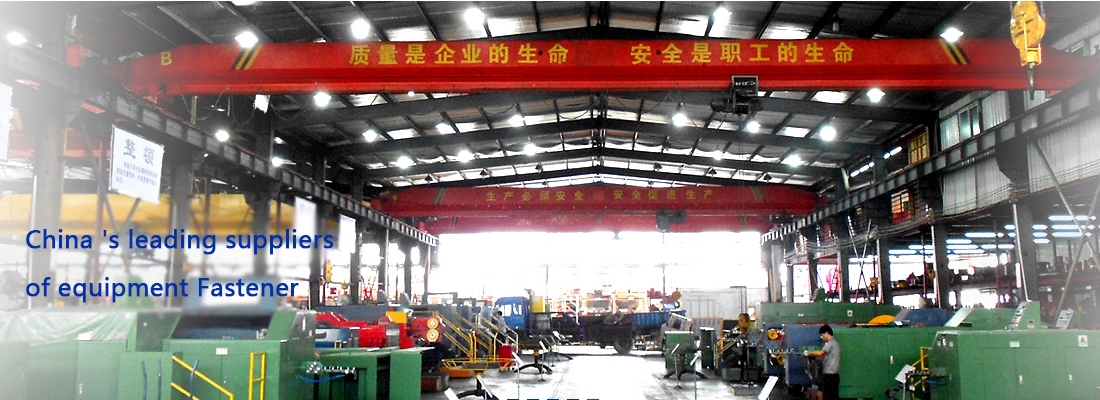
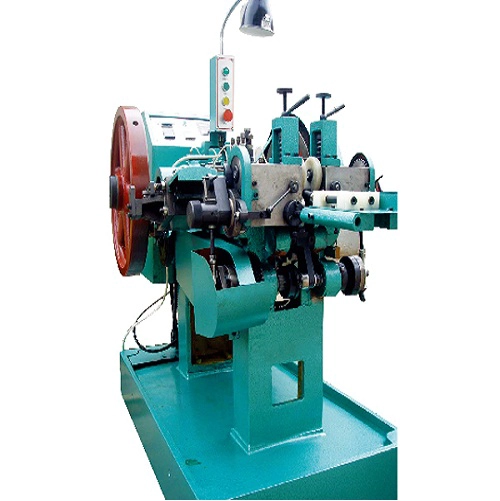
Next comes multi‑station cold heading. A typical two‑die three‑blow, three‑die three‑blow or four‑station cold header cuts the wire into a precise blank length, then transfers the blank between forming dies by grippers. The first blows pre‑form the head chamfer and shank transition; the final blow upsets the head into hexagon, pan head, countersunk head or other profiles. Upsetting ratio is the most important process parameter here: it describes how much the original wire volume is compressed radially to form the head. A high upset ratio demands softer, well‑annealed wire and optimized die geometry. Common cold heading defects appear at this stage: head burst, annular cracks under the head, shank bending, off‑center head and folded metal. Folds are particularly dangerous because they are hidden inside the part and can propagate under fatigue load, leading to sudden bolt fracture in service. Experienced fastener factories run first‑article metallographic checks to verify continuous, unbroken grain flow following the contour of the fastener head and shank. Good cold forming makes the metal fibre wrap smoothly around the head transition zone; machined bolts cut across grain lines and lose this natural strength benefit.
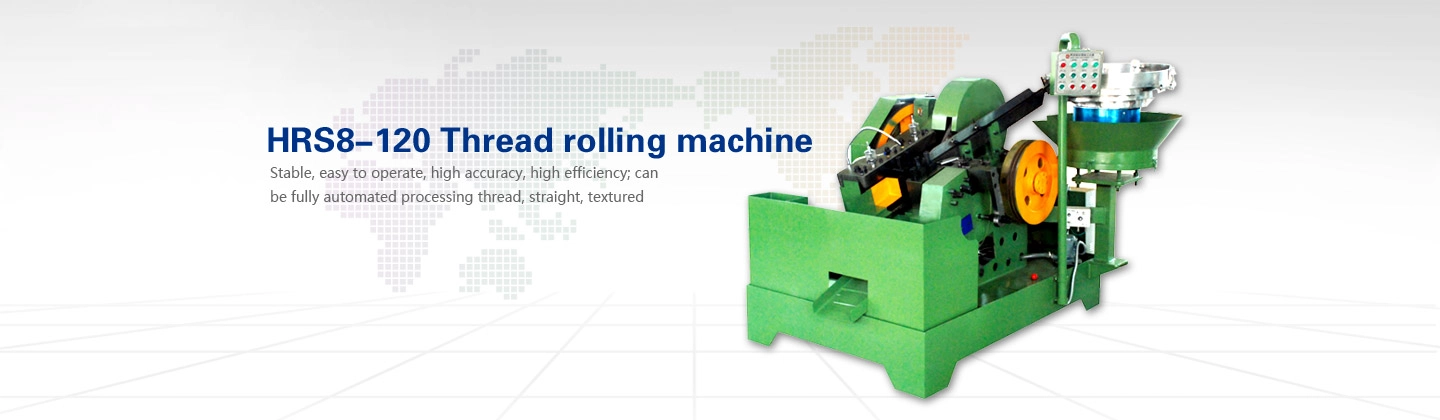
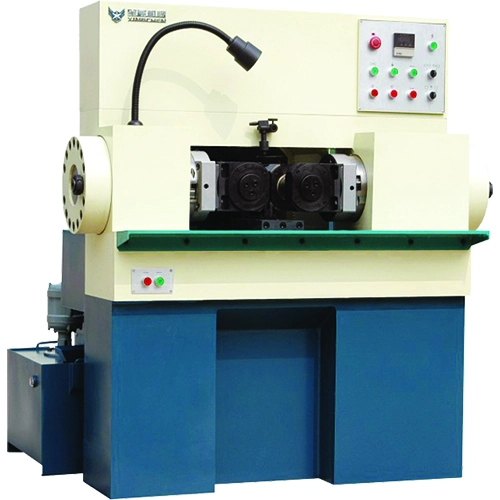
After heading, most threaded fasteners move to thread rolling. Thread rolling uses two cylindrical or flat dies with reverse thread profile to roll pressure onto the smooth shank. Instead of cutting threads, the dies displace metal, pushing material into thread crests and roots. This plastic deformation compresses the thread root and creates a compressive residual stress layer. This residual stress is the main reason rolled threads have far better fatigue resistance than cut threads, a key performance factor for dynamic loading applications such as automotive, wind turbine and construction bolting. Many buyers mistakenly treat rolled and cut threads as interchangeable; under cyclic vibration loads, cut threads often initiate fatigue cracks at the sharp root quickly. Thread rolling also maintains consistent pitch diameter and thread fit, and produces smoother thread surface with lower friction during tightening.
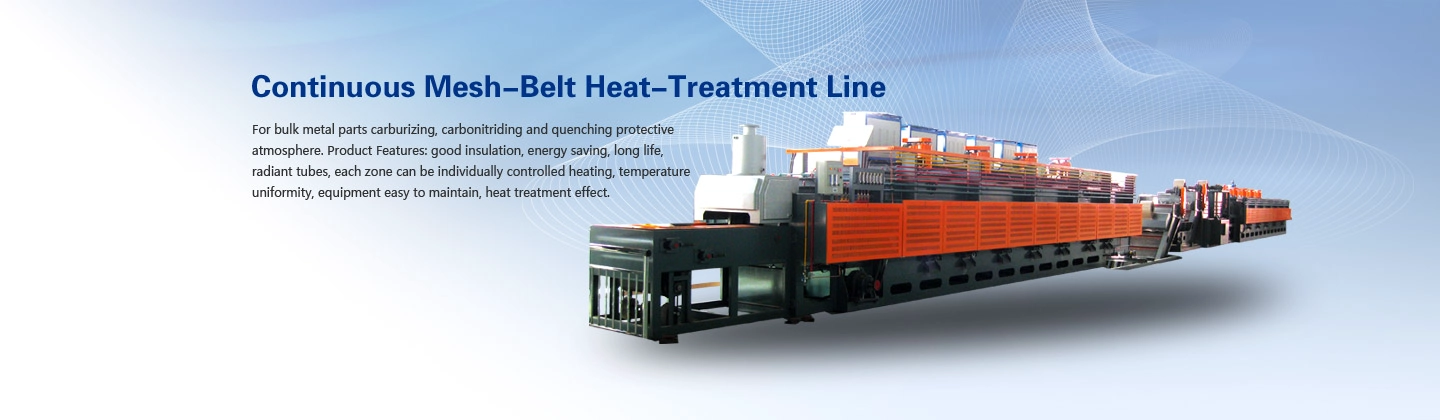
Nevertheless, thread rolling has process limits. The blank diameter before rolling must be strictly controlled, usually close to the thread pitch diameter. Too large blank causes thread overfill and die overload; too small blank creates under‑filled, weak threads. Material hardness also matters. Parts harder than about 32 HRC are difficult to roll without die chipping and thread cracking. That is why high‑strength 10.9 and 12.9 bolts follow a specific sequence: cold heading and thread rolling first, then quenching and tempering heat treatment. If heat treatment happens before rolling, the hardened steel will damage thread rolls and produce defective threads.
Lubricant selection is another core technical point. Cold heading oil serves multiple functions: cooling, friction reduction, anti‑seizure, surface finish improvement and corrosion protection during transfer. Different base stocks and additives are selected according to steel grade. Low‑carbon steel for 4.6 and 5.6 fasteners can use general‑purpose cold forming oil. Medium carbon boron steel and alloy steel for 8.8, 10.9, 12.9 grades require extreme‑pressure additives to handle high contact pressure between die and workpiece. Stainless steel cold heading is far more challenging due to high work hardening tendency; special chlorine‑free EP oils and tailored phosphate‑borax lubrication systems are widely adopted to reduce galling.
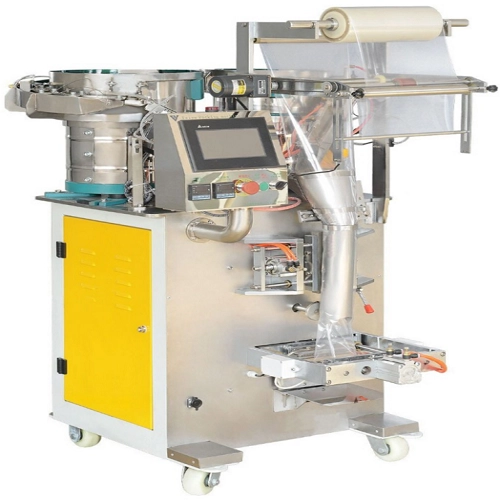
After forming, manufacturers carry out sorting and inspection. Visual sorting removes obvious head cracks and deformation. Wire and eddy current testing can detect subsurface fissures. Dimension checks cover head height, shank length, pitch diameter, thread major diameter and concentricity. For critical orders, destructive sampling includes tensile testing and metallographic section review.
In summary, cold heading plus thread rolling is the gold standard for standard fastener mass production. It delivers high throughput, low material waste, superior fatigue performance and stable dimensional consistency. But quality is not automatic. The final fastener reliability depends on coordinated control of wire metallurgy, annealing quality, lubrication system, upset ratio, die precision, rolling blank size and post‑process inspection. For buyers, audit the factory’s process sequence and defect control capability rather than only checking final hardness and tensile certificates. A fastener with correct strength but poor cold forming grain flow remains a hidden failure risk in bolted joints.