














Automatic Thread Rolling Machine: High-Precision Cold Forming Solution for Fastener Thread Finishing
Working Principle of Automatic Thread Rolling Machines
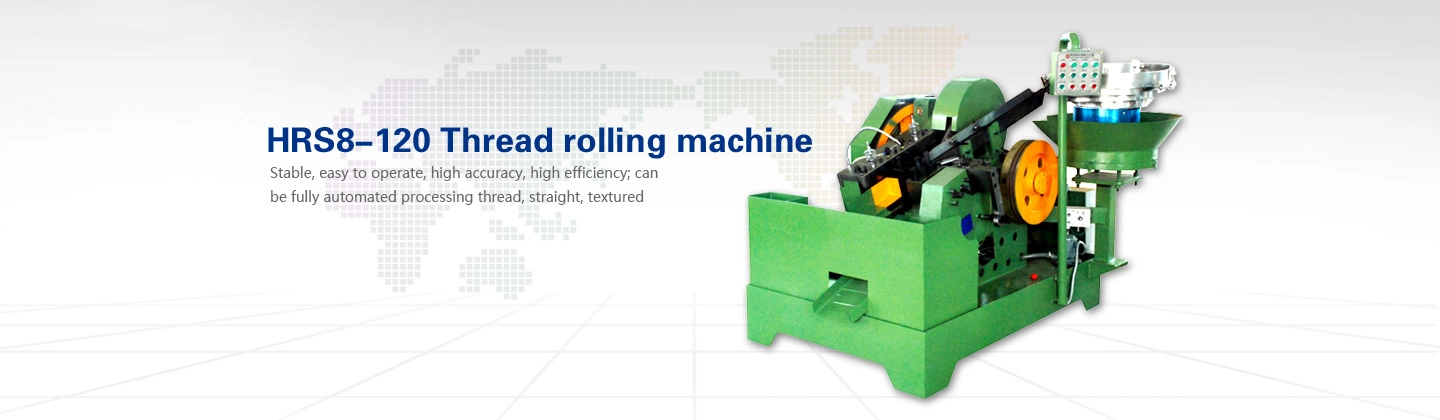
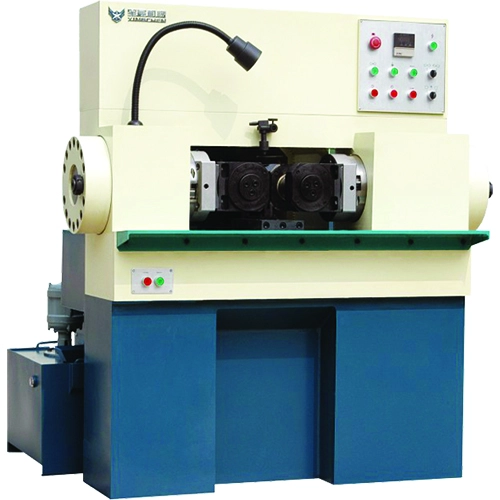
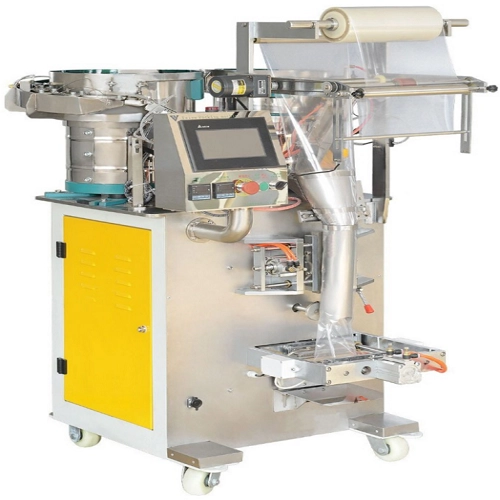
Most industrial mainstream thread rolling machines fall into two categories: two-die parallel thread rollers and three-die centerless thread rollers, with two-die models occupying over 80% of fastener factory procurement volume. The full-automatic workflow seamlessly connects with cold heading blank output without secondary manual sorting: finished bolt/screw blanks after cold heading are fed into the rolling station via vibration bowl automatic feeding rails, and aligned by positioning baffles to avoid thread deflection.
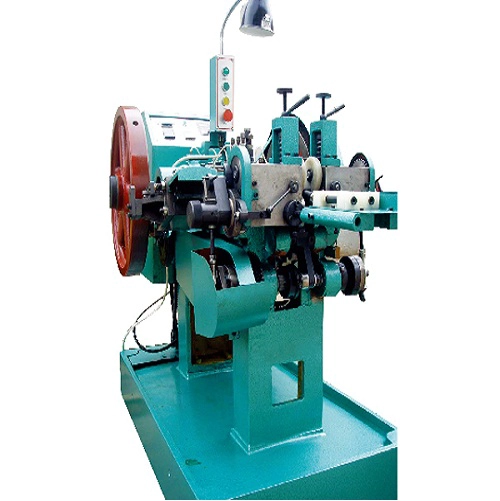
During operation, two hardened alloy steel rolling dies rotate in opposite directions at synchronous speeds. Instead of cutting off excess metal, the dies squeeze the outer surface of cylindrical blanks under constant hydraulic pressure. Metal fibers flow continuously along the thread profile without being broken, forming standard external threads, knurls and tapered tooth patterns at room temperature. The whole rolling process only takes 0.2 to 0.5 seconds per workpiece, far faster than CNC thread turning. For hollow thin-wall fasteners that are prone to deformation during cutting, centerless three-die thread rolling machines provide uniform circumferential pressure to prevent workpiece collapse.
Core Advantages vs. Traditional Thread Cutting & Tapping
Google buyer search analytics show that overseas manufacturers mainly search thread rolling equipment for three pain points: insufficient thread surface hardness, high scrap rate and long production lead time. Compared with traditional subtractive processing, thread rolling solves all three pain points with tangible production data:
1. Improved Thread Mechanical Strength & Corrosion Resistance
Thread cutting severs continuous metal grain fibers on the workpiece surface, creating tiny surface cracks that cause thread fracture under repeated vibration. Thread rolling compacts surface metal grains, increasing thread flank hardness by 20%-30% and tensile fatigue resistance by more than 40%. Field tests show that rolled stainless steel bolts pass 1000-hour salt spray testing without thread rust, while cut threads develop surface corrosion within 300 hours due to internal micro-cracks. This performance gap is critical for outdoor construction and new energy vehicle chassis fasteners.
2. Near-Zero Material Waste & Lower Unit Cost
CNC thread turning generates 8%-12% metal chip waste for each bolt blank, while thread rolling produces zero scraps with 100% blank material utilization. For high-cost raw materials such as titanium alloy, Inconel alloy and 316 stainless steel, manufacturers can cut raw material costs by 11% annually. Moreover, automatic thread rolling machines require only one operator to manage 3-5 standalone units, cutting labor overhead by 65% compared with manual tapping lathes.
3. Higher Output & Dimensional Consistency
Standard high-speed thread rolling machines reach 180-320 pieces per minute, and heavy-duty hydraulic models for large-size M12-M24 bolts maintain a steady output of 90 pieces per minute. Equipped with servo gap adjustment systems, the rolling die clearance can be digitally calibrated within 0.005mm tolerance, ensuring thread pitch, tooth height and concentricity comply with ISO, DIN and ANSI global fastener standards. Continuous 24-hour batch production keeps dimensional deviation below ±0.01mm, meeting Tier 1 automotive supplier incoming inspection standards.
4. Wide Material & Workpiece Compatibility
By replacing die tooth profiles and adjusting hydraulic pressure, one thread rolling machine can process low-carbon steel, medium-carbon quenched steel, copper, aluminum and duplex stainless steel. It supports diverse workpieces including standard hex bolts, self-tapping screws, threaded studs, hollow pipe threads and non-standard knurled pins. It also covers miniature electronic fasteners ranging from M2 to M5 and heavy structural bolts up to M30, eliminating the need for multiple dedicated threading devices.
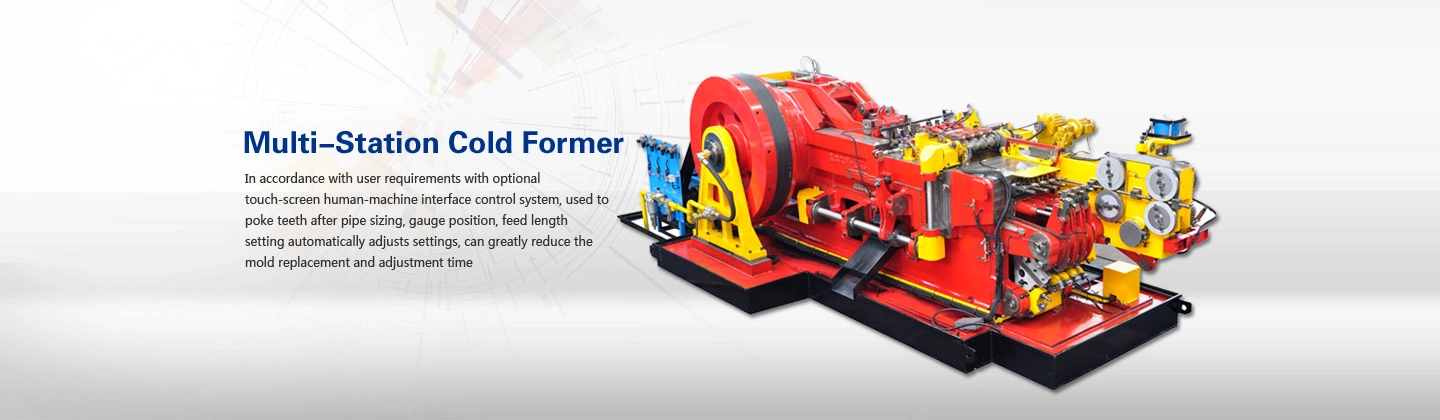
Matching Application with Multi-Station Cold Heading Lines
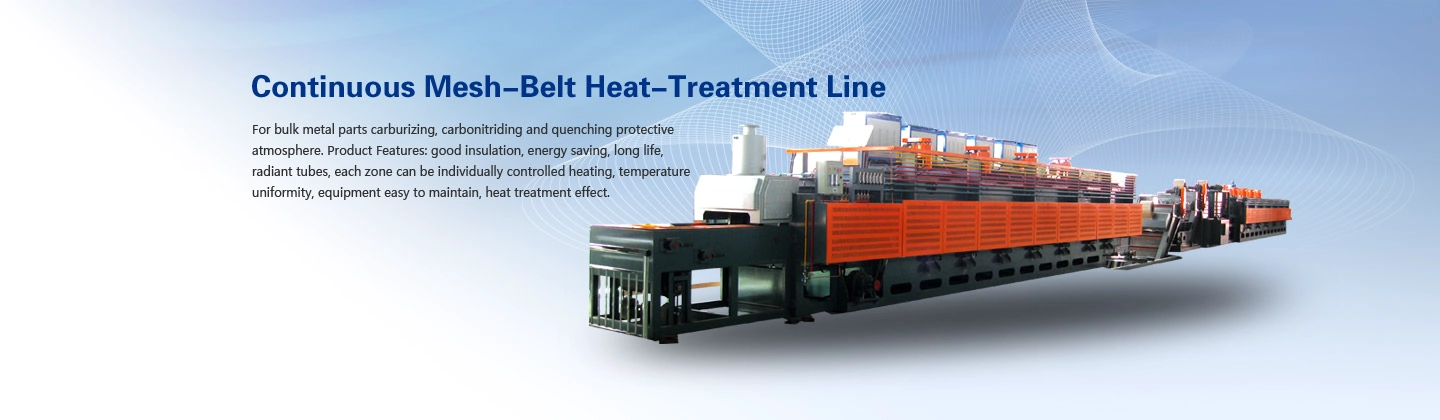
To form a one-stop cold forming production line, thread rolling machines are universally configured as the post-process station of multi-station cold heading machines, which forms complementary SEO logic for your website internal linkage. The integrated process flow is: wire straightening → multi-station cold heading blank forming → heat treatment (optional) → surface descaling → automatic thread rolling → finished product sorting. This offline integrated line reduces workpiece turnover time by 50% and avoids surface scratch damage caused by multiple handling.
Targeted industry application scenarios aligned with cold heading machine customer groups:
-
New Energy Vehicles: Threaded terminals for battery modules, motor lock studs, lightweight aluminum alloy threaded pins
-
Photovoltaic Infrastructure: Hot-dip galvanized foundation bolts, solar bracket anti-loose threaded fasteners
-
Precision Electronics: Miniature copper threaded shafts for circuit board connectors, camera module fastening screws
-
Medical Devices: Biocompatible stainless steel threaded bone pegs with mirror-level thread surface
2026 Thread Rolling Machine Industry Trends & Buyer Selection Tips
Driven by global lightweight fastener demand, the thread rolling equipment market maintains a 9.2% annual growth rate. Two mainstream upgrades dominate new procurement demands: intelligent die wear monitoring and low-noise oil-free rolling. New-generation servo thread rolling machines embed torque sensors to detect die abrasion in real time, automatically reminding users of die replacement before thread out-of-tolerance, reducing defective product rates from 2.1% to 0.3%.
For buyer selection matching cold heading equipment: Small-scale factories producing M3-M10 standard screws can choose economical two-die mechanical thread rollers; manufacturers focusing on hollow and thin-wall workpieces need three-die centerless thread rolling machines; high-end export-oriented enterprises shall select servo silent models with noise below 78dB to meet EU workplace safety regulations.
Conclusion
As global fastener quality standards become stricter, thread rolling has replaced traditional cutting threading as the preferred post-cold-heading processing method. Paired with multi-station cold heading machines, automatic thread rolling machines build a full cold forming production chain that improves strength, cuts costs and boosts output. It helps fastener manufacturers enhance product competitiveness in cross-border bidding and meet diversified customized threaded component demands.