














Basic Cognition and Industrial Application of Cold Heading Machines
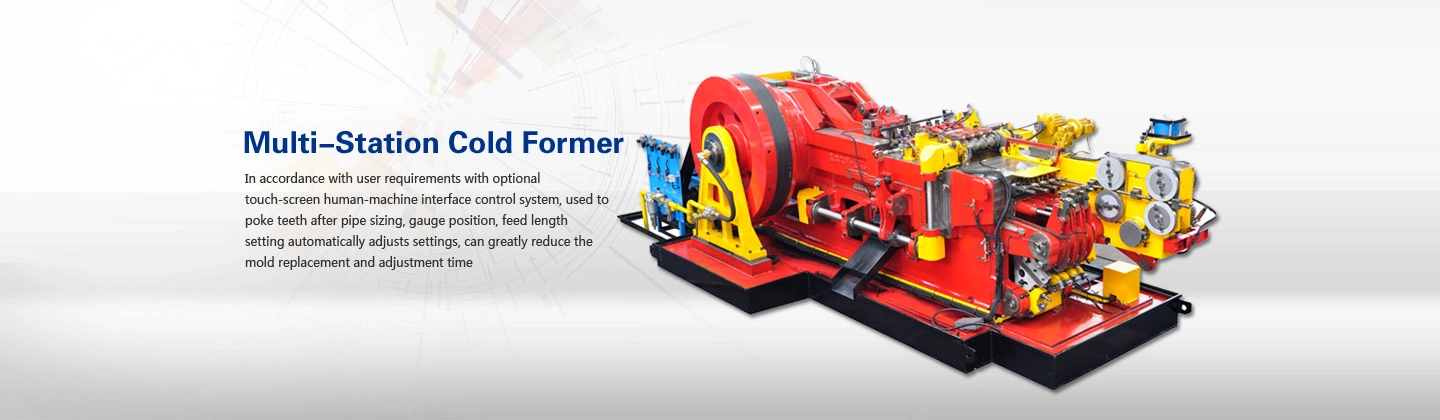
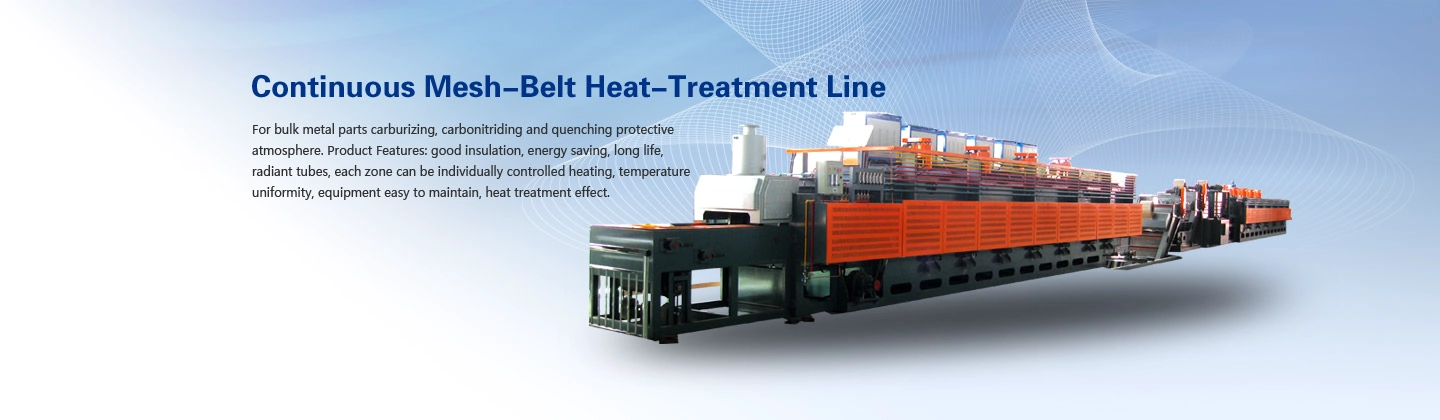
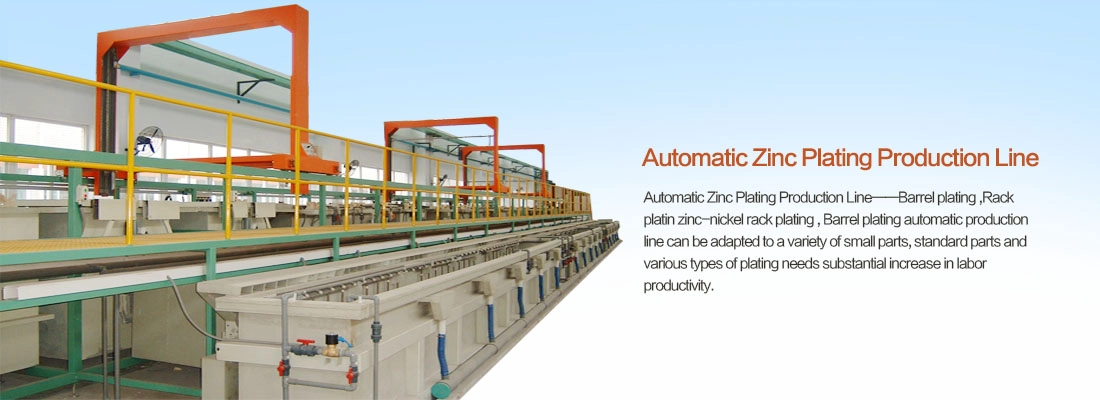
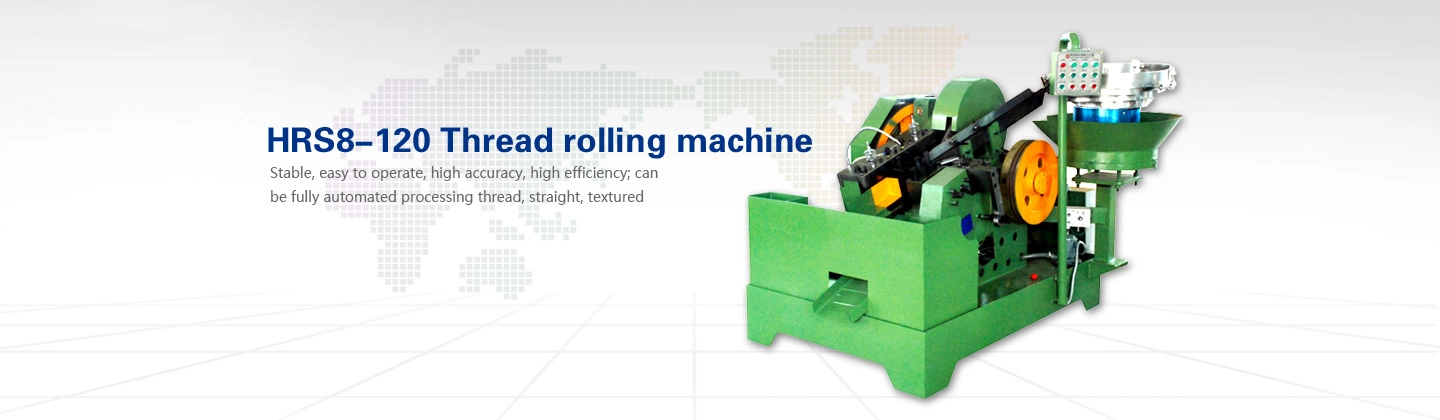
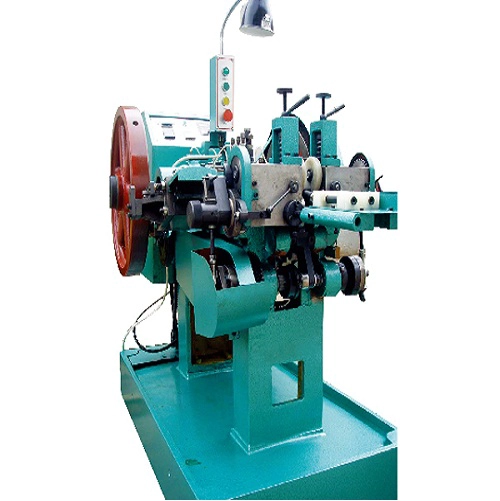
A cold heading machine is a special equipment that uses the cold heading process to plastically deform metal materials at room temperature, thereby processing fasteners such as bolts, nuts, and pins. Compared with the traditional hot forging process, the cold heading machine does not need to heat the metal. It relies on high-pressure impact force to form the metal material in the mold, which has the significant advantages of energy saving, high efficiency and high precision of finished products. It is the core equipment in the modern fastener production industry.
Cold heading machines have a very wide range of applications, covering automobile manufacturing, construction engineering, electronic equipment, aerospace and many other fields. In the automotive industry, most of the bolts and rivets in the engine, chassis and other parts are processed by cold heading machines; high-strength bolts and steel structure connectors in the construction field also rely on the cold heading process to ensure strength and precision. In addition, the pins of small electronic components and the precision fasteners of medical devices are also inseparable from the processing of cold heading machines.
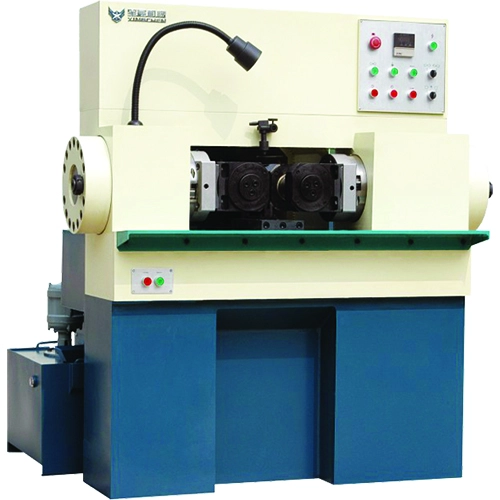
High-quality cold heading machines have the characteristics of stable structure, convenient operation and low energy consumption. Their core components include the machine body, crankshaft, punch, mold, etc. The precision of these components directly determines the quality of the finished products. With the development of the manufacturing industry towards intelligence and refinement, cold heading machines are also constantly upgraded, gradually realizing functions such as automatic control and online detection, further improving production efficiency and product qualification rate, and promoting the high-quality development of the fastener industry.