















Changing Heat Treatment Demand in the Indian Market
Changing Heat Treatment Demand in the Indian Market
India, as one of the world’s fastest-growing major economies, has witnessed a profound transformation in its manufacturing and industrial sectors in recent years. This transformation has directly fueled significant changes in the demand for heat treatment services and technologies, driven by evolving industry needs, policy shifts, technological advancements, and global market dynamics. Heat treatment, a critical process that enhances the mechanical properties, durability, and performance of metals and alloys, has become increasingly indispensable across key sectors, reshaping its market demand landscape in terms of volume, technology, and application scope.
The most prominent driver of changing heat treatment demand in India is the robust growth of core manufacturing industries, particularly the automotive, infrastructure, and steel sectors. The Indian automotive industry, undergoing a dual transition toward electrification and localization, has emerged as a key consumer of heat treatment services. With solid urbanization and infrastructural development driving the demand for lightweight, fuel-efficient vehicles, components such as gears, shafts, axles, and drivetrain parts require precise heat treatment to meet stringent performance and safety standards. Major domestic automakers like Tata Motors and Mahindra heavily rely on heat-treated components to ensure durability, while the surge in electric vehicle (EV) production has further increased the need for precision heat treatment of EV-specific parts, including battery enclosures and electric motor components. This shift has not only boosted the overall demand for heat treatment but also raised the bar for process precision and consistency.
The infrastructure and construction boom in India has also contributed significantly to the evolving demand for heat treatment. The country’s expanding infrastructure projects, including roads, bridges, railways, and urban development, require large quantities of heat-treated steel and cast iron components that offer high strength, wear resistance, and corrosion resistance. Steel, which dominated the Indian heat treatment market with an 81.0% revenue share in 2023, is widely used in construction and heavy machinery, with heat treatment playing a crucial role in enabling phase transformations in plain carbon steel and low-alloy steel to enhance their properties. Cast iron, meanwhile, is growing at a CAGR of 4.9% due to its high compressive strength and machinability, making it ideal for automotive and construction components. This infrastructure-driven demand has led to a surge in the need for large-scale heat treatment facilities and equipment.
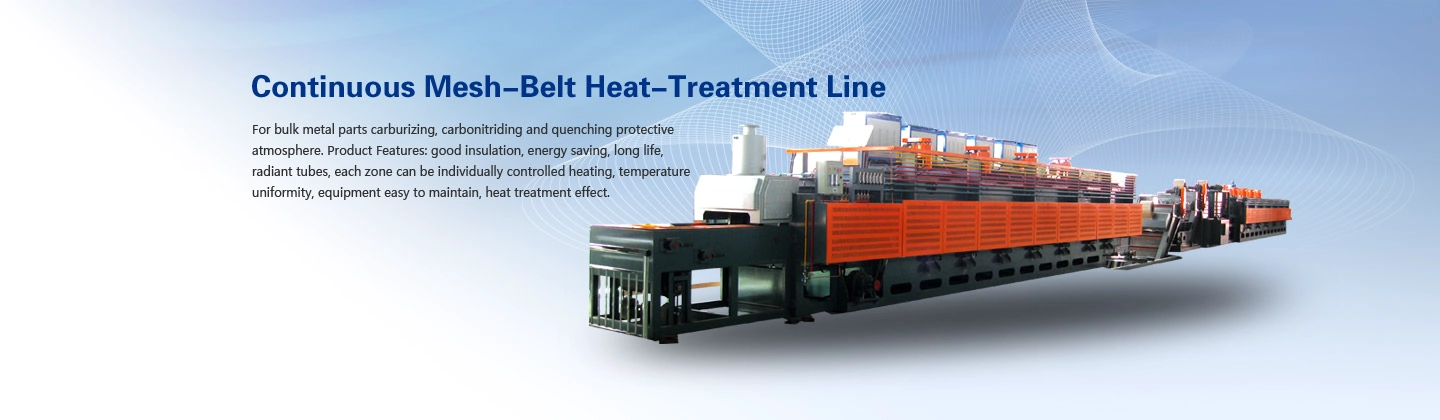
Technological advancement is another key factor reshaping heat treatment demand in India. Traditional heat treatment methods, such as fuel-fired furnace processing, are gradually being replaced by advanced, energy-efficient technologies to align with global sustainability goals and address cost concerns. Induction heat treatment, in particular, has gained traction due to its energy efficiency, precise temperature control, and faster processing times, with the Indian induction furnace market projected to grow at a CAGR of 7.2% between 2024 and 2029. Vacuum heat treatment, though currently holding a smaller market share, is growing at the fastest rate (8.2% CAGR) due to its ability to provide a clean, oxidation-free environment, making it ideal for high-end applications in aerospace, precision engineering, and semiconductor manufacturing. Additionally, the integration of artificial intelligence (AI) and the Internet of Things (IoT) in heat treatment processes—such as AI-driven process optimization and real-time monitoring via digital twins—is becoming increasingly sought after, as manufacturers aim to improve efficiency, reduce downtime, and ensure consistent quality.
Sustainability and environmental regulations have also become pivotal in driving demand changes. With global focus on reducing carbon emissions and India’s own commitment to green manufacturing, there is a growing demand for eco-friendly heat treatment solutions. Stricter emission standards and policies aligned with global green initiatives have pushed manufacturers to adopt electric and hybrid furnace technologies, reducing reliance on gas-fired equipment that generates higher CO₂ emissions. Green heat treatment processes, such as vacuum and controlled atmosphere heat treatment, are gaining popularity not only for their environmental benefits but also for their ability to reduce material waste and improve product quality. By 2026, it is projected that over 70% of heat treatment equipment in India will adopt green processes, reflecting the market’s shift toward sustainability.
Despite the strong growth trajectory, the Indian heat treatment market faces challenges that influence demand dynamics. The shortage of highly skilled manpower, particularly in the installation, operation, and maintenance of advanced heat treatment equipment, poses a significant barrier to market expansion. Additionally, the high capital investment required for advanced equipment and the volatility of energy prices—critical for energy-intensive heat treatment processes—create cost pressures for manufacturers, especially small and medium-sized enterprises (SMEs). However, the rise of the “equipment as a service” business model is helping SMEs access advanced technologies without substantial upfront investment, mitigating this challenge to some extent.
Looking ahead, the demand for heat treatment in India is expected to continue its upward trajectory, driven by ongoing industrialization, technological innovation, and policy support. The market, valued at USD 4.70 billion in 2023, is projected to grow at a CAGR of 5.4% from 2024 to 2030, with further acceleration expected as India expands its manufacturing capabilities under initiatives like “Make in India”. By 2026, the Indian heat treatment market size is anticipated to reach USD 8.9 billion, with a growth rate of 7.8%—outpacing the global average. Emerging sectors such as aerospace, renewable energy, and medical devices are expected to become new demand drivers, as these industries require specialized heat treatment for advanced materials like titanium alloys and high-strength steels.
In conclusion, the Indian heat treatment market is undergoing a significant transformation, with demand shifting toward higher precision, energy efficiency, and sustainability. The growth of core industries, technological advancements, and environmental regulations are the primary forces driving these changes, while challenges such as skill shortages and cost pressures require strategic interventions. As India continues to solidify its position as a global manufacturing hub, the heat treatment sector will play an increasingly critical role in supporting industrial growth, and its demand landscape will continue to evolve to meet the needs of a rapidly changing economy.