










Cold Heading Machines: Precision Engineering for Modern Manufacturing
What is a Cold Heading Machine?
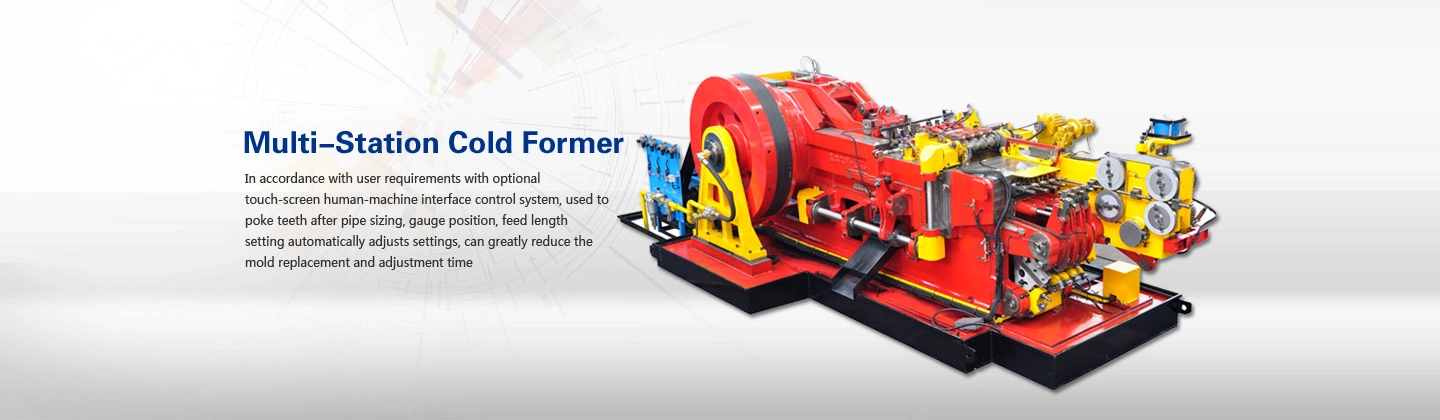
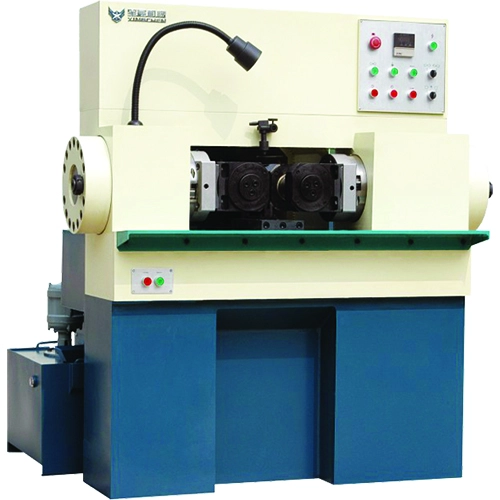
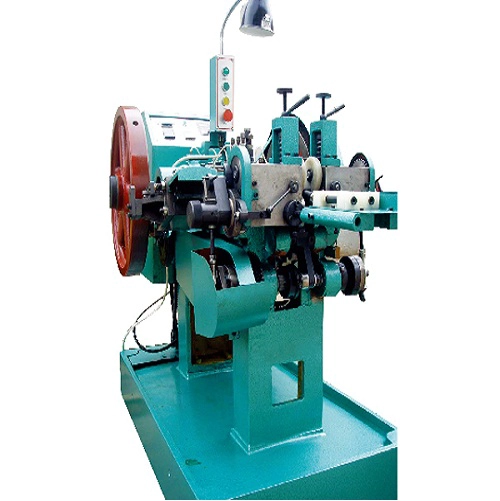
A cold heading machine (also known as a cold former or header) shapes metal at room temperature using high-pressure dies. Unlike traditional machining, it displaces—rather than cuts—metal wire into precise components like bolts, screws, and rivets 5. This process eliminates material waste, reduces costs by up to 70%, and enhances part strength through grain-flow continuity.
Key Applications Across Industries
- Automotive: Produces high-tensile engine bolts and transmission components.
- Aerospace: Crafts lightweight, corrosion-resistant fasteners for critical assemblies.
- Construction: Manufactures anchor bolts and seismic-resistant connectors.
- Electronics: Creates miniature pins and connectors for circuit boards.
Advantages Over Traditional Methods
- Cost Efficiency: Material utilization exceeds 99%, slashing raw material expenses 1.
- Speed: Up to 400 parts per minute vs. 20 via machining.
- Strength: Cold working increases hardness by 20-30%.
- Sustainability: 50% lower energy consumption and zero cutting-fluid waste.
Technological Innovations Driving Growth
Modern cold headers integrate:
- AI-Powered Monitoring: Real-time defect detection using computer vision.
- Multi-Station Forming: 5-die setups for complex geometries in one cycle.
- IoT Connectivity: Predictive maintenance alerts reducing downtime by 40%.
Choosing the Right Cold Heading Machine
Consider these factors:
- Capacity: Force range (25-2,500 tons) and wire diameter compatibility.
- Tooling: Quick-change systems for flexible production.
- Automation: Robotic part handling for lights-out manufacturing.
Market Outlook
The global cold heading machine market is projected to reach $3.8B by 2030 (CAGR 5.2%), fueled by electric vehicle and renewable energy demand. Leading manufacturers now prioritize energy-efficient servo-electric models, aligning with net-zero initiatives.
Why Partner with Experts?
Selecting optimal tooling designs and materials (e.g., tungsten carbide dies for longevity) requires specialized knowledge. Partnering with certified suppliers ensures compliance with ISO 6157 fastener standards and minimizes production risks.