










Considerations for Selecting the Proper Fastener (4)
7. What thread style should be used?
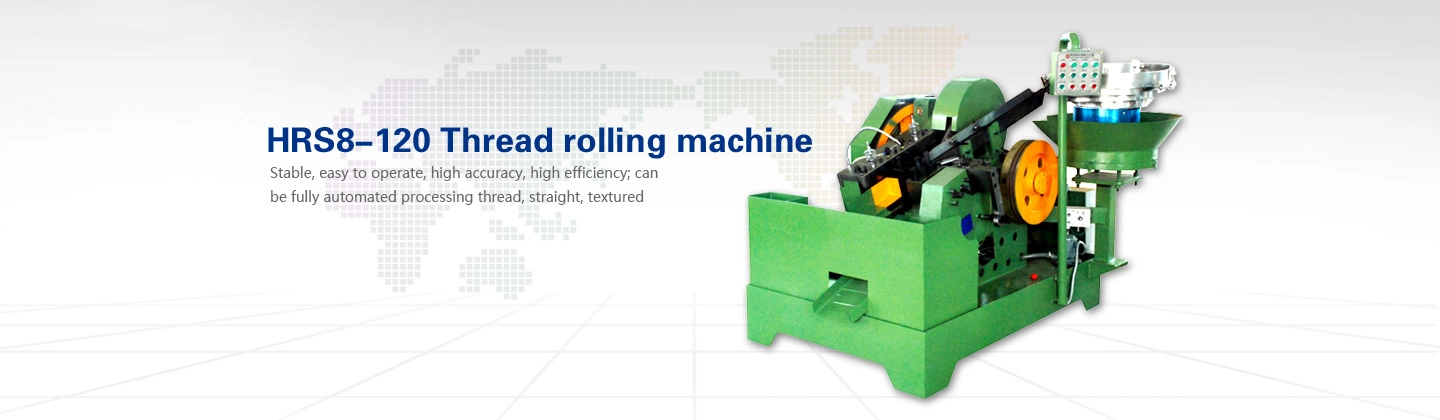
The designer needs to select threads that will provide the best load handling characteristics for the application. The choice is between either coarse or fine threads. Unified coarse, UNC, and unified fine, UNF, are thread designations used in the United States. Metric threads, described as either ISO Metric or M, are the international standard thread. With coarse threads, assembly of the joint takes less time. Fine threads require a longer assembly time since they have more revolutions needed to traverse the equivalent distance that a coarse-threaded fastener would traverse. However, fine threads contribute to both a more secure joint and one that can permit a higher level of tension in the joint. Appendix B lists the thread designations and the thread dimensions for both unified and metric threads.
8. Is a coating needed for the application?
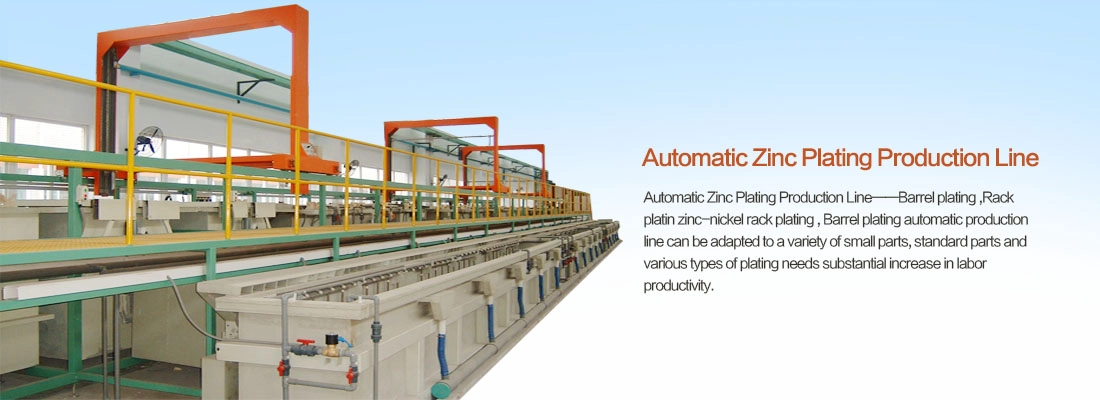
Coatings perform three functions for fasteners: Coatings provide protection against corrosion of the fastener Coatings improve the appearance of a fastener and enable matching to a specific color Coatings add lubricity to prevent either a loose joint or excessive strain on the fastener The two primary methods for coating fasteners are electroplating and organic processing. Electroplating achieves high-quality, low-cost finishes. Zinc, zinc-alloy, copper, nickel, and tin are the metals most commonly used to plate fasteners. Electroplating offers good corrosion resistance, allows coatings as thin as 0.0001 in, and creates a long-lasting finish that can withstand a wide range of environments. In addition, a wide variety of topcoats, such as wax, sealers, and torque-tension modifiers are available for application over an electroplated coating. Designers should be aware that electroplating can be subject to uneven coating thickness, particularly on longer fasteners. Typically, the coating will be thicker on the ends of the fastener. Also higher strength steels can be subject to hydrogen embrittlement due to the introduction of acid in the electroplating process. Zinc is the most common plating. It is the least expensive of the plating metals and has good corrosion resistance. Zinc offers a broad range of coating thickness; zinc coatings on fasteners can range from .0001 in to .00047 in. Chromate treatments enhance the appearance of the zinc-coated fastener and offer a variety of colors such as blue, yellow, and black. Chromates add a hard, non-porous film to the coating. Organic coatings, carbon-based coatings, act as a protective barrier against both corrosion and oxidation due to their chemical inertness and impermeability. These coatings eliminate the risk of fastener embrittlement and have a more even build-up on the fastener. Organic coatings also provide a good base for rust preventive oils, zinc or aluminum flake coatings, thread adhesives, patches, and thread sealers. Organic coatings lack galvanic protection unless they have been heavily top coated with zinc or aluminum flakes; and, typically, they are a more expensive coating than a zinc-based electroplated coating.