













Multi-station Cold Heading Machines: The Backbone of High-Volume Fastener Production
In the fast-paced world of manufacturing, efficiency and precision are non-negotiable—especially when it comes to producing the tiny components that hold our infrastructure together. Multi-station cold heading machines have emerged as unsung heroes, revolutionizing how bolts, screws, rivets, and automotive fasteners are made. This deep dive explores why these machines are a must-have for modern factories, their key advantages, and how to choose the right model for your production line.
What Is a Multi-station Cold Heading Machine?
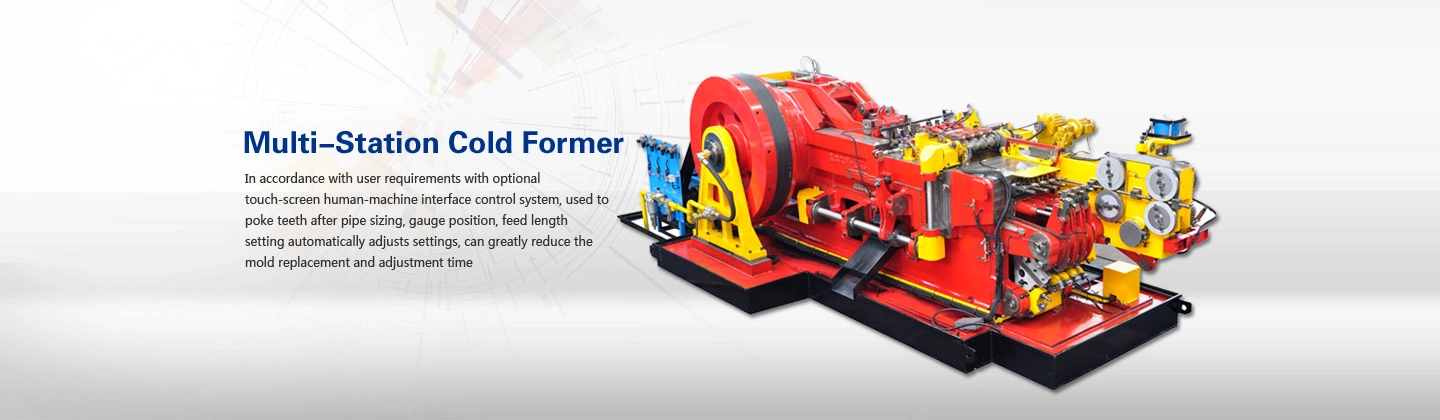
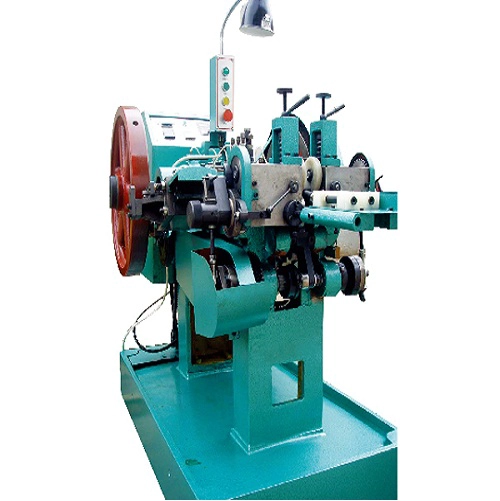
Cold heading is a metal forming process that shapes raw wire into desired forms at room temperature, eliminating the need for heating and reducing material waste by up to 70% compared to traditional machining. Multi-station cold heading machines take this a step further: they perform multiple forming operations—such as cutting, upsetting, piercing, and threading—across 4 to 12 sequential stations in a single, continuous cycle. This allows manufacturers to produce complex, near-net-shape components in seconds, with minimal secondary processing.
⚙️ Core Advantages of Multi-station Cold Heading Machines
1. Unmatched Production Speed
A standard 6-station cold heading machine can produce up to 500 pieces per minute, depending on the component size. For high-volume fastener producers, this translates to millions of parts per week without sacrificing quality. This speed is a game-changer for meeting tight delivery deadlines and scaling production to meet global demand.
2. Precision and Consistency
Modern cold heading machines use servo-driven controls and advanced sensors to maintain tolerances as tight as ±0.01mm. This level of precision ensures every part meets industry standards (such as ISO, DIN, or ASTM), reducing scrap rates and rework costs. For critical applications like aerospace or automotive manufacturing, where component failure can have catastrophic consequences, this consistency is non-negotiable.
3. Material Efficiency and Cost Savings
By shaping metal at room temperature, cold heading avoids the material loss and energy costs associated with heating. Additionally, the near-net-shape forming means less material is machined away, cutting raw material expenses by 30-50% over time. When combined with lower labor costs (thanks to automated operations), the total cost of ownership drops significantly compared to traditional manufacturing methods.
4. Versatility Across Industries
Multi-station cold heading machines aren’t just for fasteners. They’re used to produce components for:
- Automotive: Engine valves, transmission parts, and brake system components
- Aerospace: Precision rivets and structural fasteners
- Construction: Anchor bolts and rebar connectors
- Electronics: Small terminal pins and connector components With customizable tooling and adjustable station configurations, these machines can adapt to a wide range of part sizes and shapes, making them a flexible investment for any manufacturing facility.