














Industrial Heat Treatment Furnaces: The Core of Metal Component Quality and Durability
In the manufacturing ecosystem, heat treatment is the invisible hand that transforms raw metal into high-performance components. Industrial heat treatment furnaces are the workhorses behind this critical process, enabling precise control over temperature, atmosphere, and cooling to enhance metal strength, hardness, and corrosion resistance. This article explores the latest innovations in heat treatment furnace technology, their key benefits, and how they’re reshaping industries from aerospace to automotive.
What Is an Industrial Heat Treatment Furnace?
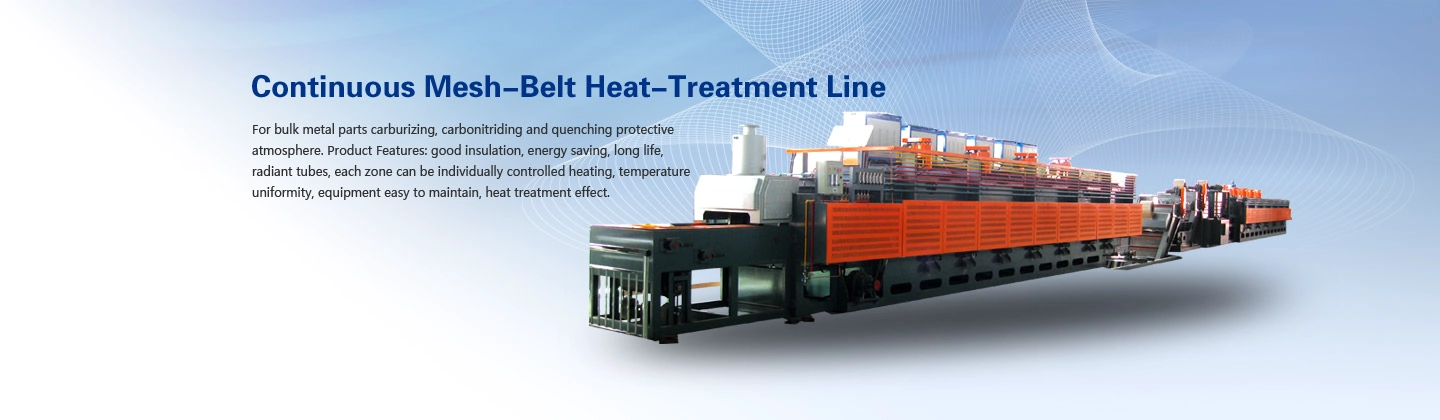
An industrial heat treatment furnace is a specialized piece of equipment designed to heat metal components to specific temperatures, hold them there for a defined period, and cool them in a controlled manner. This process alters the metal’s microstructure, improving mechanical properties like tensile strength, wear resistance, and ductility. Unlike generic heating equipment, modern heat treatment furnaces feature advanced controls for temperature uniformity, atmosphere regulation, and energy efficiency—making them indispensable for producing components that meet strict industry standards.
⚡ Key Advantages of Modern Industrial Heat Treatment Furnaces
1. Precision Temperature Control
State-of-the-art furnaces use digital controllers and multi-zone heating systems to maintain temperature accuracy within ±1°C, even in large-scale production runs. This level of precision ensures consistent heat treatment results, reducing part failure rates and rework costs. For critical applications like aerospace turbine blades or medical implants, where material performance is non-negotiable, this accuracy is a game-changer.
2. Energy Efficiency and Cost Savings
Newer furnace models incorporate energy-saving technologies such as:
- High-efficiency insulation materials that reduce heat loss by up to 40%
- Regenerative burners that recover and reuse exhaust heat, cutting fuel consumption by 35%
- Smart sensors that adjust heating output based on real-time load requirements These features not only lower operational costs but also reduce the carbon footprint of manufacturing facilities, aligning with global sustainability goals.
3. Versatility Across Heat Treatment Processes
Modern furnaces are designed to handle a wide range of heat treatment processes, including:
- Annealing: Softening metal to improve machinability
- Quenching: Rapid cooling to increase hardness and strength
- Tempering: Reducing brittleness after quenching
- Carburizing: Adding carbon to the metal surface to enhance wear resistance
- Nitriding: Infusing nitrogen to improve corrosion resistance With customizable atmospheres (such as vacuum, inert gas, or controlled combustion) and flexible loading systems, these furnaces can adapt to diverse production needs, making them a versatile investment for any metalworking facility.
4. Enhanced Safety and Compliance
Advanced safety features like automatic temperature shutoffs, pressure relief valves, and real-time monitoring systems protect both operators and equipment. Additionally, modern furnaces are designed to meet strict environmental regulations, with low-emission burners and efficient exhaust treatment systems that minimize air pollution.