














Nut Former: Intelligent Nut Making Machine Drives High‑Quality Fastener Production in 2026
As global new‑energy vehicles, photovoltaic, construction and machinery industries keep expanding, demand for high‑strength hex nuts, flange nuts, lock nuts and special‑shaped nuts rises sharply, pushing the upgrading of core production equipment — nut former and automatic nut making machine. These cold‑forming machines deform metal wire at room temperature to produce nut blanks, widely adopted by fastener factories across Asia‑Pacific, Europe and North America.
Traditional machining processes waste raw material and struggle with unstable mechanical performance. Modern nut making machine completes multi‑stage extrusion, punching and shaping via cold forming. Metal grain flow remains continuous, so finished nuts gain better tensile strength and fatigue resistance. Material utilization can reach nearly 100%, greatly cutting production costs for fastener plants.
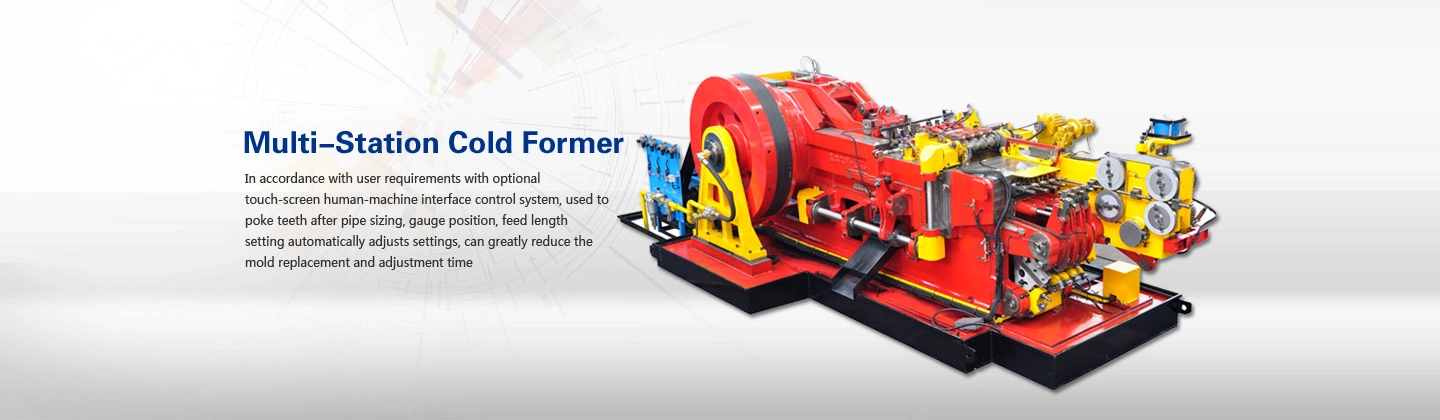
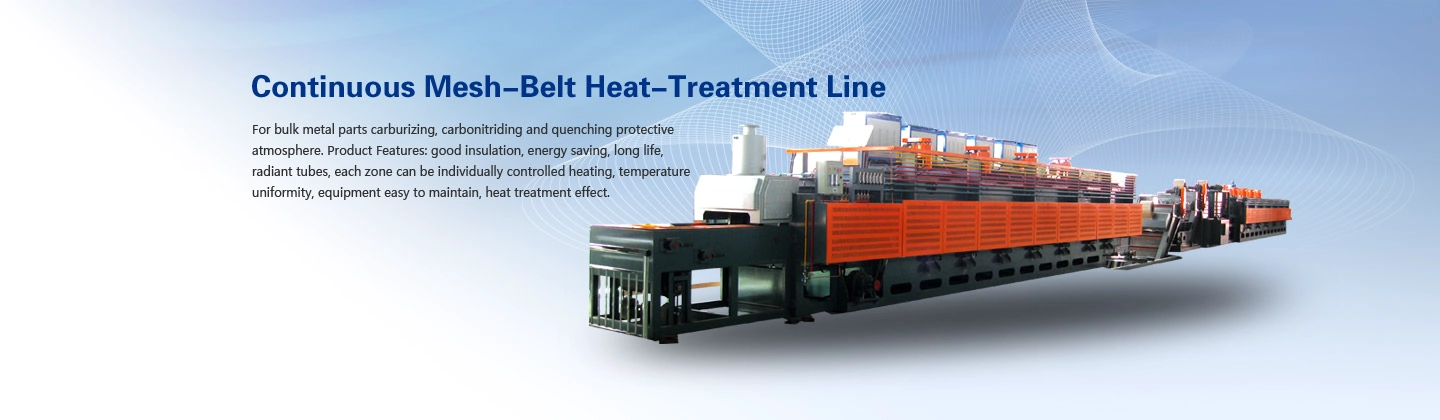
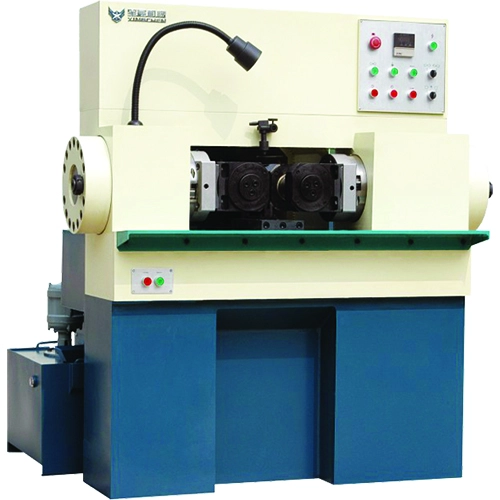
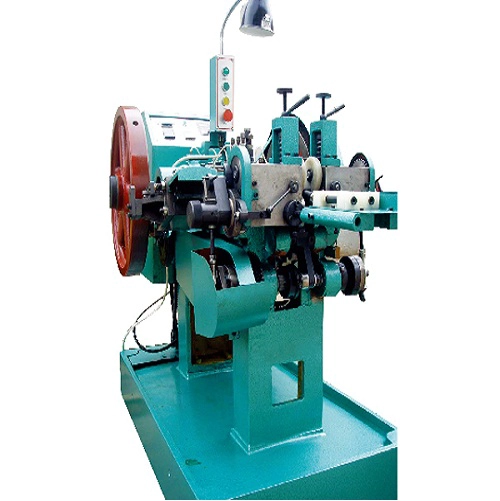
Multi‑station nut former has become the mainstream equipment in 2026. 6‑station and 7‑station nut cold heading machines support one‑step forming of standard hex nuts, weld nuts, blind nuts, flange nuts and non‑standard special‑shaped nuts, covering specifications from M3 up to M24. High‑speed models can reach 180‑220 pieces per minute. When matched with tapping machine, heat‑treatment unit and sorting machine, it forms a fully automatic nut production line and reduces manual dependence significantly.
Intelligent transformation is the most remarkable trend for today's nut former. New‑generation servo‑driven nut making machines are equipped with HMI touch screen, real‑time pressure monitoring, die‑wear early warning and automatic fault‑alarm functions. Operators can adjust feeding length, forging force and production parameters directly on screen. Some models support remote diagnosis, helping equipment users lower downtime and maintenance expense for 24‑hour continuous running.
Downstream market growth fuels equipment iteration. New‑energy automobile projects require large quantities of high‑strength lock nuts and chassis nuts; photovoltaic infrastructure consumes massive anchor nuts; electronics manufacturing needs miniature precision nuts. These diversified orders require nut making machines to handle carbon steel, alloy steel and stainless steel reliably, promoting modular die design and flexible quick‑change tooling solutions.
Region‑wise, Asia‑Pacific holds the largest market share of global nut‑forming machinery, supported by complete fastener industrial chains. Chinese equipment suppliers keep breaking through high‑end multi‑station nut former technology, offering cost‑competitive alternatives for global small‑and‑medium fastener manufacturers. European and American buyers focus on low‑noise, safety‑enclosed machines meeting strict local workplace standards, while Southeast Asia sees steady incremental demand as manufacturing capacity transfers.
Industry analysts forecast that the global nut‑forming machine market will maintain steady growth from 2026 to 2032. Energy‑saving servo configuration, intelligent monitoring, multi‑specification flexible production and customized forming capability will be key competitive points for nut former and nut making machine. Equipment suppliers delivering reliable hardware plus full‑set process solutions will capture more global market share.