














Automatic Thread Rolling Machine: Optimizing Thread Finishing for Modern Fastener Production
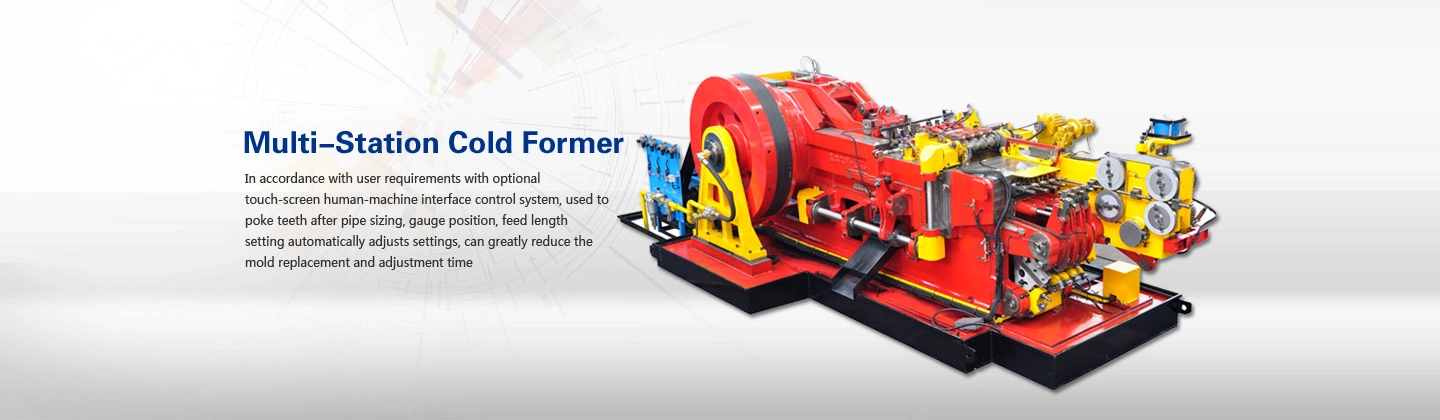
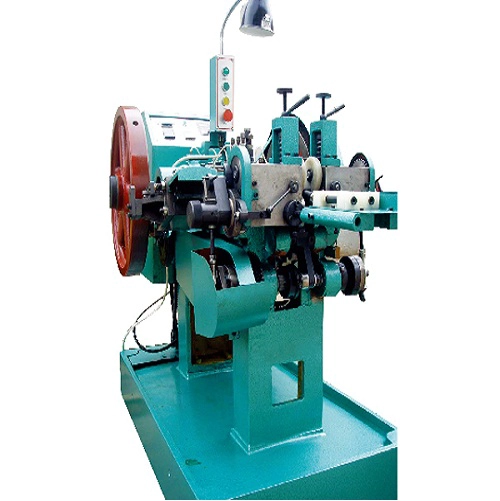
While multi‑station cold heading machines and nut formers shape bolt and nut blanks, the thread rolling machine handles the critical thread‑forming stage, determining final fastener performance, fatigue resistance and product qualification rate. As global manufacturers pursue higher‑quality threaded components for new‑energy vehicles, wind power, railway equipment and precision hardware, demand for reliable automatic thread rolling equipment keeps rising steadily across global fastener workshops.
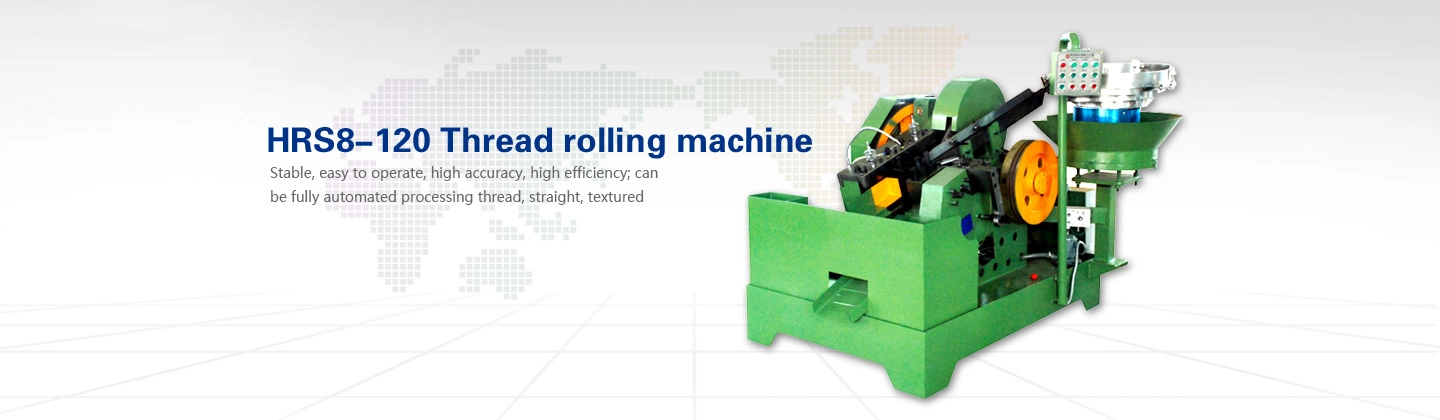
Unlike conventional thread‑cutting lathes that remove metal chips, thread rolling adopts chipless cold forming technology. Under rolling die pressure, metal material flows and reshapes rather than being cut off. The original metal grain fiber remains continuous along the thread profile. As a result, rolled threads achieve 20‑30% higher tensile strength and better anti‑fatigue performance than cut threads, together with smoother surface finish and improved corrosion resistance. Material utilization reaches nearly 100%, eliminating metal chip waste and lowering raw‑material expenditure for mass‑production plants, especially when processing alloy steel and stainless‑steel workpieces.
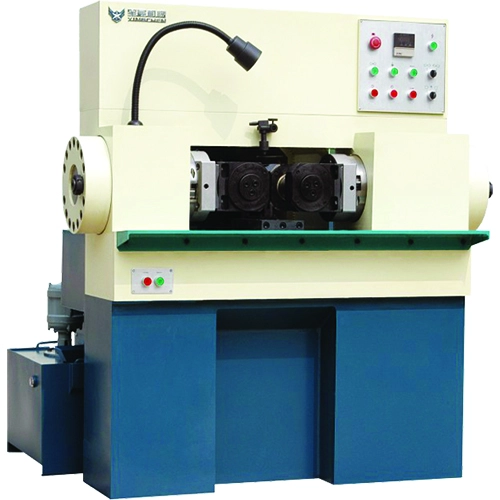
Modern automatic thread rolling machine is widely matched with cold‑heading production lines for secondary processing. High‑speed models can hit 80‑320 pieces per minute, covering thread specifications ranging from M2 to M30. Many updated units support through‑feed and in‑feed rolling modes, suitable for standard bolts, studs, threaded rods, special‑shaped screws and partial‑thread fasteners. Equipped with automatic feeding, coolant circulation and part‑discharge modules, one machine can run continuously with minimal manual intervention, effectively easing the pressure of rising labour costs in fastener factories.
Servo‑controlled intelligent functions have become a key purchasing factor in 2026. New‑generation thread rolling machines are fitted with HMI touch panel, real‑time rolling‑force monitoring and die‑wear early‑warning modules. Operators can store multiple product parameter recipes for quick‑switch production between different thread sizes. Some upgraded versions support remote status checking and fault diagnosis, helping factories cut unexpected downtime during round‑the‑clock manufacturing. Noise‑reduced sealed structures also help European and North‑American users satisfy local workplace environmental requirements.
Downstream industry expansion fuels equipment iteration. New‑energy vehicle chassis and battery assembly require large batches of high‑reliability rolled threads; wind‑power and photovoltaic projects consume massive anchor bolts and threaded studs; medical and electronic sectors put forward strict requirements for miniature precision threaded parts. These diversified application scenarios push thread‑roller suppliers to optimize die structure, strengthen machine‑body rigidity and develop flexible quick‑change tooling solutions to shorten product change‑over time.
From a global market perspective, Asia‑Pacific occupies the dominant share of thread‑rolling‑machine consumption, supported by a complete fastener industrial chain. Chinese equipment suppliers keep improving servo thread‑rolling technology, delivering cost‑effective alternatives for small‑and‑medium fastener manufacturers worldwide. European and American buyers tend to select high‑end customized units, while Southeast Asia keeps releasing new purchasing demands as manufacturing capacity transfers.
Market analysts forecast the global thread‑rolling‑machine market will maintain stable growth from 2026 to 2032. Higher precision, servo energy‑saving configuration, intelligent condition monitoring and good compatibility with upstream cold‑heading equipment will become major competitive points. Suppliers that provide both solid machinery and practical thread‑forming process guidance will gain more advantages in global market competition.