














Processing Difficulties of Double Threads for Photovoltaic Screws
Photovoltaic (PV) screws are core fastening components for solar mounting systems, undertaking long-term outdoor wind resistance, shock resistance and anti-loosening tasks. Different from ordinary standard screws, PV double-thread screws adopt a special bidirectional double-thread structure, which features self-locking performance, strong anti-vibration ability and high assembly stability. This unique structural design effectively prevents bolt loosening caused by frequent wind vibration and thermal expansion and contraction of solar brackets, greatly improving the overall safety and service life of photovoltaic power stations. However, the special double-thread geometric structure and high-standard application environment bring prominent technical difficulties in mass precision machining, which have always been the key challenges restricting the yield and quality control of PV fastener manufacturers.
1. Strict Dimensional Synchronization Tolerance of Dual Threads
The biggest difference between double-thread PV screws and single-thread screws lies in the synchronous forming of two sets of thread profiles on the same screw rod. Qualified PV double threads require consistent pitch, tooth height, thread angle and pitch diameter of the two groups of threads, with extremely strict symmetrical tolerance. Once deviation occurs, the bidirectional self-locking mechanism will fail, resulting in insufficient assembly fit, poor vibration resistance and even thread jamming during installation.
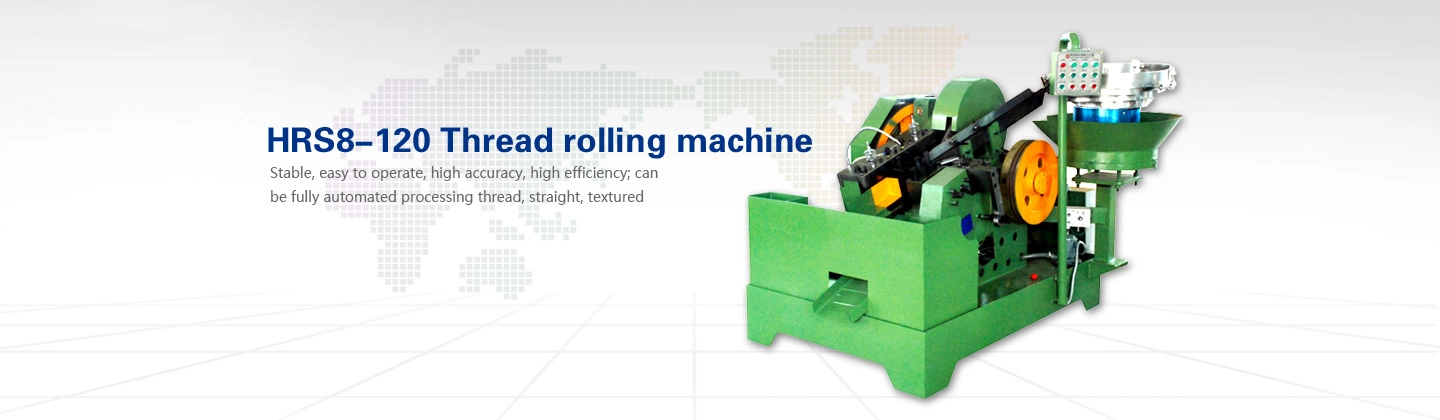
In actual processing, tiny errors in spindle rotation, feed synchronization and mold positioning will be amplified in double-thread forming. Slight spindle runout or inconsistent rolling pressure will cause one side of the thread to be shallow and the other side deep, leading to out-of-tolerance pitch diameter. Unlike single threads that can be corrected through simple parameter adjustment, double-thread symmetry errors are difficult to compensate in the later stage, requiring ultra-high precision synchronization control of equipment motion axes throughout the whole process.
2. High Anti-Vibration and Surface Finish Requirements for Outdoor PV Working Conditions
PV screws are exposed to outdoor environments for a long time, facing alternating loads such as wind vibration, temperature difference deformation and rain erosion. Therefore, double threads must have complete tooth profiles, smooth surfaces and no burrs or micro cracks. Ordinary thread processing is prone to burrs, tooth collapse and surface scratches, which will form stress concentration points, reduce the fatigue resistance of the screw, and easily cause thread wear and loosening after long-term vibration.
Double-thread rolling and cutting processes face higher finish challenges. During the simultaneous forming of two thread grooves, chip removal space is narrow, and cutting heat accumulates rapidly. Unreasonable tool feed speed and chip removal design will lead to thread surface pulling, tooth edge rounding and uneven roughness. These subtle surface defects that are negligible for ordinary screws will become key failure factors for PV fasteners under long-term dynamic load.
In mass production, equipment fatigue, mold wear and parameter drift will cause subtle changes in double-thread accuracy. Without real-time monitoring and regular calibration, it is easy to produce batch defective products with inconsistent locking performance, which brings hidden dangers to the structural stability of photovoltaic brackets.