












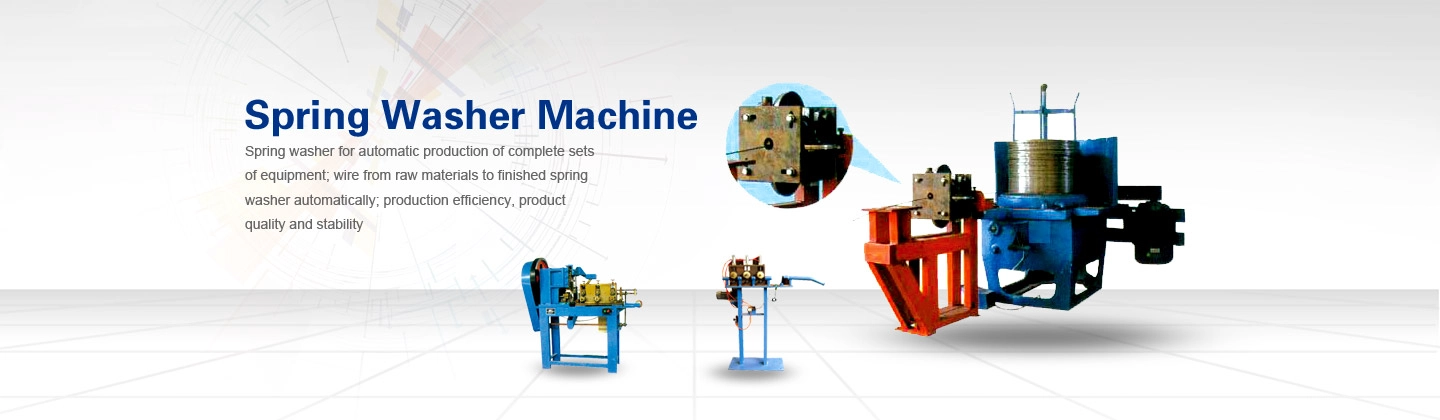


Spring Washer Machine: Revolutionizing Fastener Manufacturing with Precision and Efficiency
In the global fastener industry, spring washers stand as indispensable components, providing critical anti-loosening protection, load distribution, and vibration dampening for bolted joints across countless applications. Behind the consistent quality and mass production of these essential parts lies the spring washer machine—a specialized piece of equipment that has transformed how manufacturers produce spring washers, combining automation, precision, and reliability to meet the growing demands of modern industries. As the fastener sector evolves, understanding the functionality, advantages, and trends of spring washer machines becomes key for businesses looking to optimize production, reduce costs, and stay competitive in a global market.
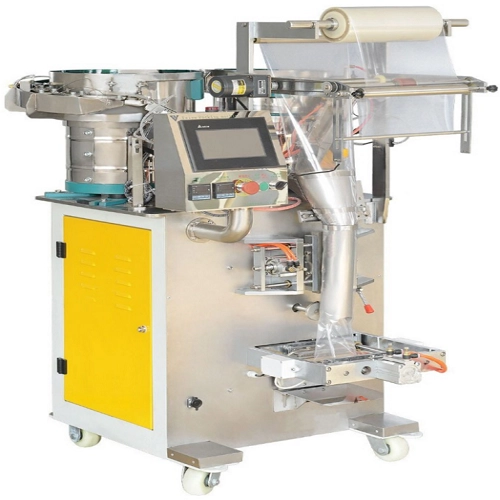
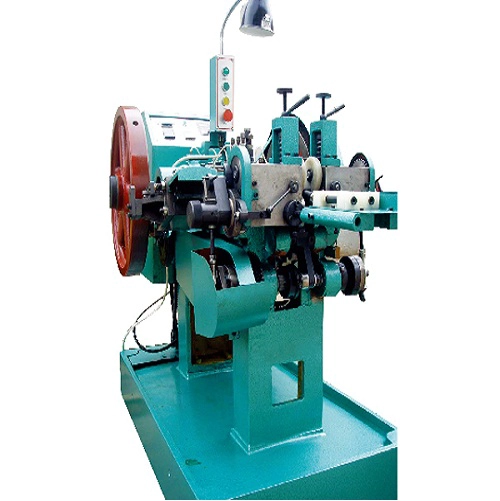
A spring washer machine is industrial equipment designed to transform metal coils or strips into high-quality spring washers through a series of automated, precision-driven processes. Unlike manual or semi-manual production methods that are prone to errors, inefficiency, and inconsistency, modern spring washer machines integrate advanced technologies to streamline every step of the manufacturing process—from material feeding and straightening to stamping, forming, and post-processing. These machines are engineered to handle a variety of materials, including low-carbon steel, stainless steel (304/316), and copper alloys, making them versatile for diverse industry needs.
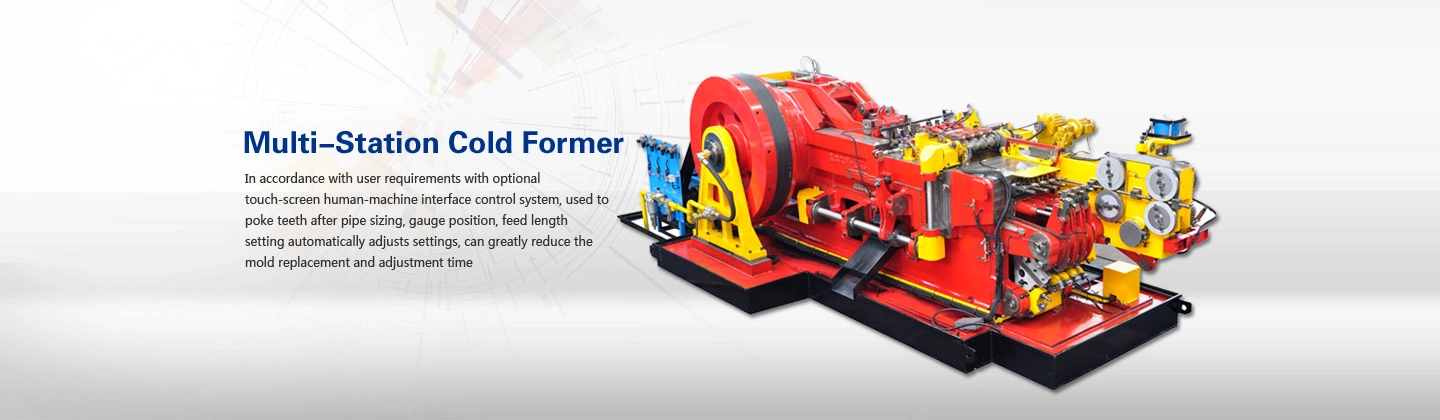
The core working principle of a spring washer machine revolves around three key stages, each optimized for accuracy and efficiency. First, the material feeding and straightening stage: servo-driven rollers or grippers feed metal coils or strips (with thickness ranging from 0.2 to 3 mm and width from 5 to 50 mm) into the machine at adjustable speeds, synchronized with downstream processes. A built-in straightening unit removes coil memory to ensure flat, uniform material flow—critical for consistent forming results. Next, the stamping and forming stage: progressive dies cut the material into washer blanks, trimming excess material to achieve precise outer and inner diameters. The blanks are then shaped into spring washers through bending, curling, or cam action—depending on the type of spring washer (split lock, wave, conical, etc.)—using hardened tool steel or carbide dies that withstand high pressure (up to 100 tons) and maintain tight tolerances of ±0.05 mm. Finally, optional post-processing steps such as heat treatment (tempering at 200–400 °C) enhance the washer’s elasticity and fatigue resistance, ensuring it meets international standards like DIN 127, ISO 7089, and ASME B 18.21.1.
One of the most significant advantages of modern spring washer machines is their automation capability, which eliminates the need for extensive manual labor and significantly boosts production efficiency. High-speed models can produce spring washers at rates ranging from 80 to 1080 rpm, depending on the washer size, allowing manufacturers to meet large-scale orders with shorter lead times. Additionally, automation ensures consistent product quality—every spring washer meets the same dimensional and performance standards, reducing waste and rework costs. This level of precision is especially critical in industries where safety and reliability are paramount, such as automotive, aerospace, construction, and heavy machinery.
Versatility is another key feature of spring washer machines, as they can be customized to produce various types of spring washers to suit specific applications. Common types include split lock washers (helical-shaped for enhanced friction), wave washers (ideal for space-constrained environments), conical (Belleville) washers (for high-load applications), and serrated washers (effective for soft substrates like aluminum or plastic). These machines can handle washer sizes ranging from 4 mm to 120 mm in diameter and 5 mm to 20 mm in thickness, making them suitable for everything from small electronic components to large industrial machinery parts. Many manufacturers also offer complete production lines, including cutting machines, wire drawing machines, and coil collection machines, to provide a turnkey solution for spring washer production.
As industries worldwide prioritize efficiency, sustainability, and quality, the spring washer machine market is evolving to meet these demands. The latest models incorporate smart technologies, such as PLC control systems and touchscreen interfaces, allowing operators to monitor and adjust production parameters in real time, reducing downtime and improving operational efficiency. Energy-saving features are also becoming standard, with machines designed to consume less power while maintaining high performance—aligning with global sustainability goals. Additionally, advancements in die technology and material handling have expanded the range of materials these machines can process, including high-tensile steels and corrosion-resistant alloys, further expanding their application scope.
For manufacturers looking to invest in spring washer machines, several key considerations can help ensure the right choice. First, assess production needs—including the type, size, and volume of spring washers required—to select a machine with the appropriate speed, capacity, and customization options. Material compatibility is also critical; choose a machine that can handle the specific metals used in your production (e.g., 316 stainless steel for marine applications or low-carbon steel for general-purpose washers). Additionally, consider after-sales support and maintenance requirements, as regular upkeep ensures the machine’s longevity and consistent performance. Many reputable suppliers offer training, spare parts, and technical support to help manufacturers maximize their investment.
In conclusion, the spring washer machine is a cornerstone of modern fastener manufacturing, enabling businesses to produce high-quality, consistent spring washers efficiently and cost-effectively. Its automation, precision, and versatility make it an essential tool for industries ranging from automotive and aerospace to construction and electronics. As technology continues to advance, spring washer machines will only become more efficient, intelligent, and sustainable, helping manufacturers stay ahead in a competitive global market. Whether you’re a small-scale producer or a large industrial enterprise, investing in a high-quality spring washer machine is a strategic decision that can enhance production capabilities, reduce costs, and ensure the reliability of your fastener products.