













Home > News > Industry News > The uses and principles of a sintering furnace
Browse Categories
A cold heading machine for what
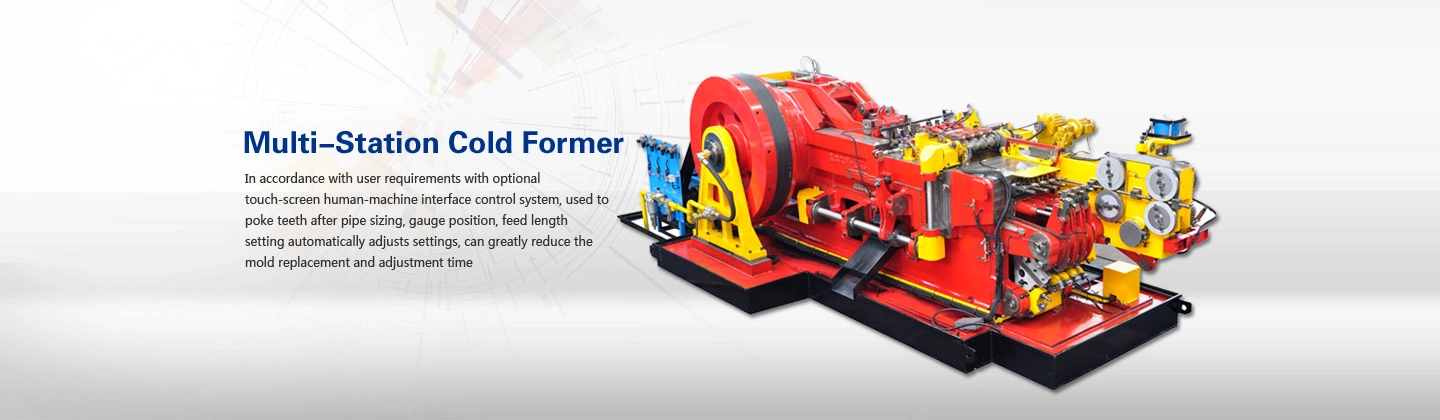
6 Station Part Maker Cold Heading Machine Bolt Making Machines with PLC
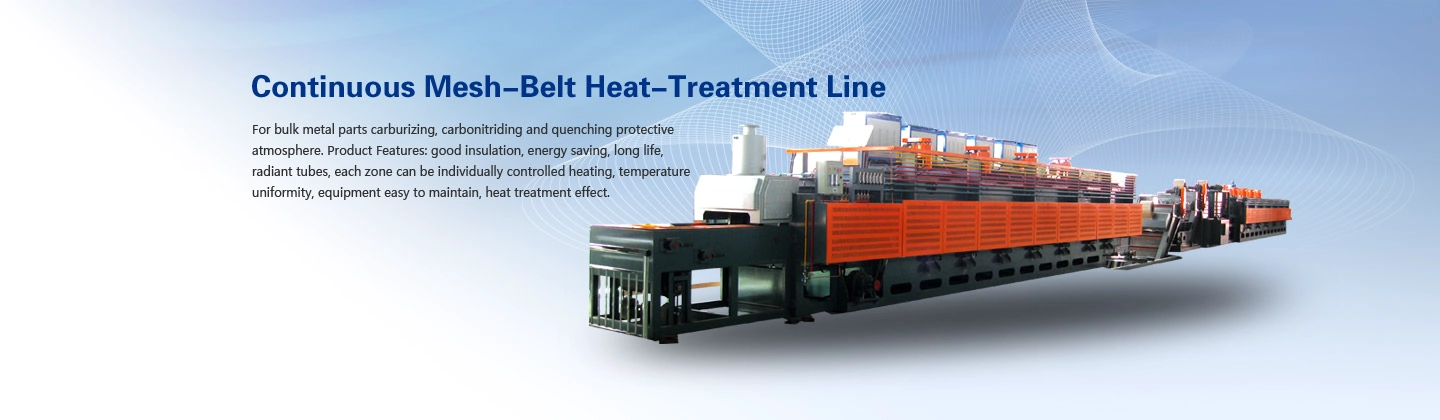
Non-abrasive Threads Heating Furnace Carburizing Furnace for Nuts Screws Bolts
M2 to M36 all size cold forging machine bolt maker with cover
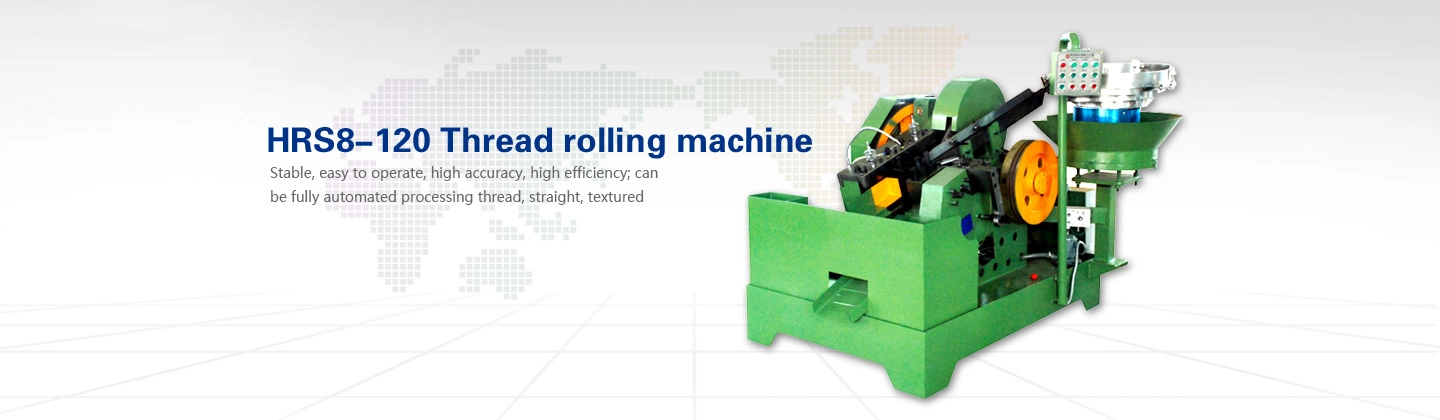
Semi Cover Screw Threading Machine Thread Rolling Machine for Drywal Screws
Micro Nut Drilling Machine Nut Tapping Machine for Flange Nut
M2 M4 Micro Nut Threading Machine Nut Tapping Machine with Hopper
Automatic Cold Forging Machine Six Station Nut Bolt Making Machine for Screws and Bolts
The Last Day of Fastener Fair Global Stuttgart 2025 Trade Show
Industry News
Company News
Certifications
Contact Us
Harbin Rainbow Technology Co., Ltd.Address:C2-02 Handi Building,Songbei Distr.,Harbin,ChinaPostal Code:150028Web site address:http://www.fastenerequip... Contact Now
News

What is Cold Forging – Cold Forging Process, Materials, Uses, Advantages & Disadvantages

Working principle of nut tapping machine

Nut tapping machine is a kind of machining equipment that processes internal threads, screws or teeth buckles on the inner side of the holes of variou...

Difference between hot dip zinc and hot dip galvanising

Hot-dip zincing and hot-dip galvanising are two different processes for corrosion protection of metals, with hot-dip zincing usually providing better ...

Thread Rolling

Tightening bolts can not be ignored friction can cause problems to solve the problem

fortensionbolt, The friction force is a factor to be reckoned with. Bolt friction joint has been in existence, it may be part of the reason that cause...

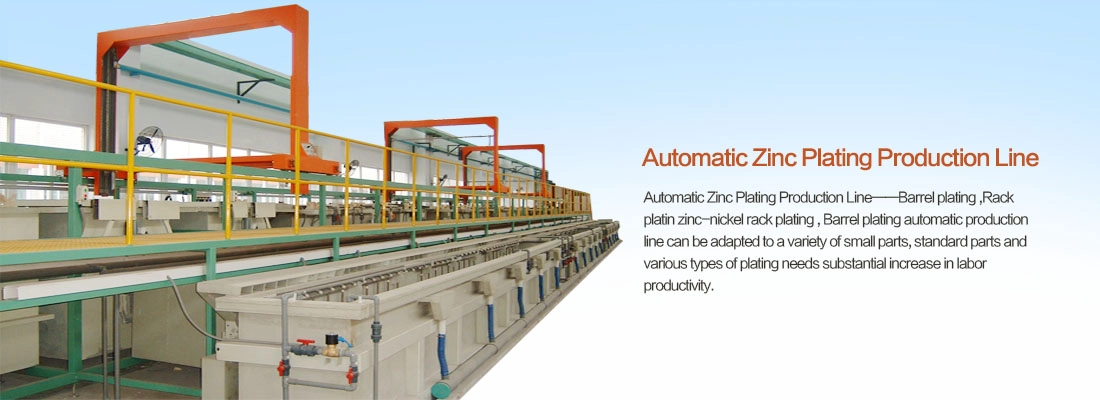
The Complete Guide to Zinc Plating: All You Need To Know

What Is Cold Forming?

What's self-tapping screw?

Self-tapping screws: similar to machine screws, but the threads on the screw for special self-tapping screws with threads. Used to fasten the connecti...

Analysis of the principle and function of spring washers

In all kinds of mechanical connections, the anti-loosening of bolts is a very important link, and there are many ways to prevent loosening of bolts in...

High speed installation cold forging machine bolts and nuts making machine for screw

Browse Categories

The uses and principles of a sintering furnace

Zoe 2025-10-13 14:20:43

Sintering furnaces use high-temperature heating to induce physical or chemical reactions in materials and are widely used in material preparation and heat treatment. The following are their main types, their uses, and their principles:

Vacuum Sintering Furnaces
Under vacuum conditions, a protective gas (such as hydrogen) is introduced. Medium-frequency induction heating of a tungsten crucible generates high temperatures. These furnaces are suitable for powder forming and sintering of refractory alloys (such as tungsten and molybdenum). They utilize heat radiation conduction to achieve high-temperature sintering, while an intelligent temperature control system regulates the temperature and holding time.

Gas Pressure Sintering Furnaces
Using hot isostatic pressing (HIP) technology, the furnace eliminates material defects through a three-stage process of low pressure, atmospheric pressure, and high pressure, creating a high-density, low-porosity structure. These furnaces are suitable for the preparation of high-performance ceramics. Pressure-assisted sintering achieves a denser sintered body.

Microwave Sintering Furnaces
Quickly and uniformly heat materials in a variety of atmospheres (such as air, oxygen, and nitrogen). These furnaces are suitable for sintering electronic components (such as thick-film circuits and solar panels) and for high-temperature synthesis processes. They utilize microwave energy coupling to directly heat the material, shortening sintering time and improving uniformity.

General Uses
In addition to the above types, sintering furnaces are also used for:

Ceramic Material Preparation: Sintering of zirconia ceramics and diamond saw blades

Metal Heat Treatment: Copper annealing and steel strip heat treatment

Electronic Component Production: Sintering of LTCC components and electronic electrodes