












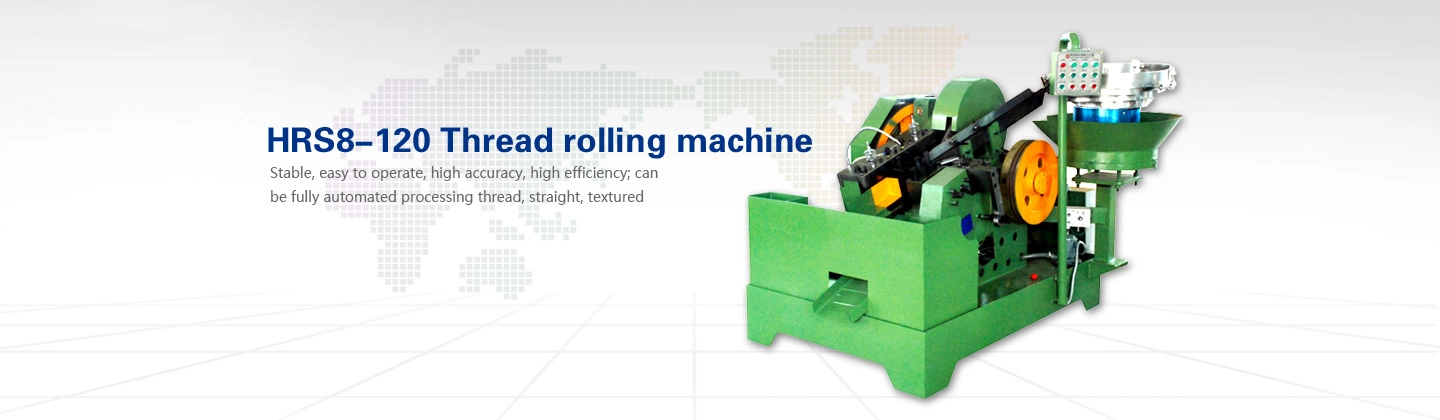


Thread Rolling Machines: The Core Driver of High-Precision Thread Forming in Modern Manufacturing
March 10, 2026 – As global manufacturing moves toward precision, automation, and sustainability, thread rolling machines have emerged as indispensable equipment in the production of threaded components. From automotive bolts and aerospace rivets to construction fasteners and electronic hardware, these advanced machines redefine the efficiency, quality, and cost-effectiveness of thread forming processes, catering to the growing demand for high-performance connectors across diverse industries[superscript:1].
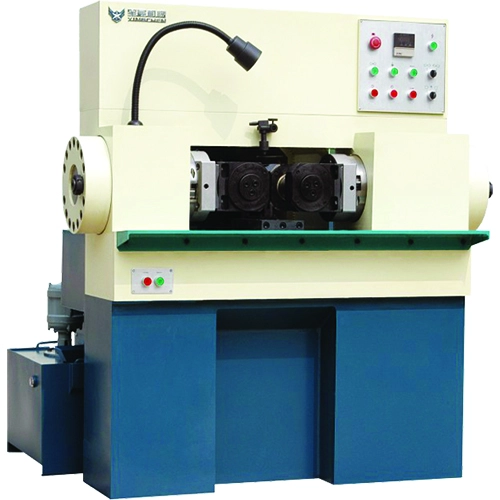
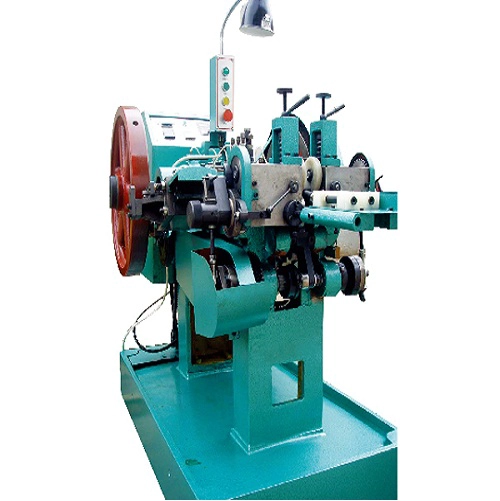
Thread rolling is a cold-forming process that creates external threads on metal workpieces by pressing the blank between hardened dies, rather than cutting material. Unlike traditional thread cutting methods, this chipless forming technology offers significant advantages, including higher material utilization (up to 100%), improved mechanical properties of the finished thread, and superior surface finish[superscript:1][superscript:2]. As downstream industries such as new energy vehicles, aerospace, and high-end machinery continue to upgrade, the demand for advanced thread rolling machines is growing steadily, driving continuous innovation in equipment technology and functionality.
Industry data highlights the robust growth trajectory of the thread rolling machine market. The global thread rolling machines market was valued at USD 627 million in 2024 and is projected to reach USD 900 million by 2032, growing at a CAGR of 4.66% during the forecast period 2026 to 2032[superscript:6]. In China, the market size is expected to reach 70.4 billion RMB in 2026, a year-on-year increase of 12.8%, with fully automatic CNC thread rolling machines accounting for 68.5% of the market, reflecting a clear trend toward intelligence and high precision[superscript:3]. This growth is driven by the expanding demand for high-strength fasteners, policy support for high-end manufacturing equipment, and the replacement of outdated, low-efficiency processing equipment.
Modern thread rolling machines integrate cutting-edge technology to meet the evolving needs of modern manufacturing, with four core advantages that set them apart from traditional equipment:
Superior Precision and Consistency: Equipped with advanced servo drive systems, PLC numerical control modules, and high-precision sensors, today’s thread rolling machines achieve exceptional precision, with thread class tolerances such as inch class 2a and 3a (6g and 4h/6h metric) easily achievable[superscript:2]. The machines feature stable die synchronization and workpiece positioning, ensuring a repeat positioning accuracy of ±0.02mm and minimizing dimensional dispersion. This level of precision is critical for high-demand applications, such as aerospace components and automotive safety parts, where even minor thread deviations can compromise performance[superscript:3].
High Efficiency and Automation: Advanced thread rolling machines operate at high speeds, with some automatic systems capable of producing hundreds or even thousands of threaded parts per minute[superscript:1]. Fully automated workflows include wire feeding, blank positioning, thread rolling, and finished part ejection, enabling unattended operation and reducing labor costs significantly. Additional features such as automatic fault alarms, parameter storage (up to 3200+ thread parameter templates for top manufacturers), and quick die change systems further enhance production efficiency and reduce downtime[superscript:3].
Versatility and Wide Application: Available in various configurations, including flat die, cylindrical die, and planetary die models[superscript:6], thread rolling machines can process a wide range of materials, such as carbon steel, alloy steel, stainless steel, copper, and aluminum alloys[superscript:1]. They are widely used across industries: automotive (engine bolts, chassis components), aerospace (turbine shafts, structural connectors), construction (high-strength bolts, rebar threads), and electronics (precision small-thread components)[superscript:5]. Customizable die designs and adjustable parameters allow the machines to produce both standard and special thread forms, from 60° standard fastener threads to trapezoidal and buttress threads[superscript:2].
Energy Efficiency and Sustainability: As a cold-forming process, thread rolling requires no high-temperature heating, reducing energy consumption by up to 30% compared to hot forging or cutting methods[superscript:1]. The chipless forming process minimizes material waste, aligning with global “dual carbon” goals and sustainable manufacturing initiatives. Additionally, the use of environmentally friendly lubricants and optimized machine designs further reduces environmental impact, making thread rolling machines a greener choice for modern production[superscript:1].
The evolution of thread rolling machines is closely tied to the trend of Industry 4.0 and intelligent manufacturing. Leading manufacturers are integrating AI adaptive pressure compensation systems, online size detection, and remote monitoring capabilities into their machines, enabling predictive maintenance and seamless integration with digital workshops[superscript:3]. These advancements are driving the industry toward fully automated, intelligent production lines, where thread rolling machines work in synergy with other equipment to achieve end-to-end manufacturing efficiency[superscript:1].
As a leading provider of advanced thread forming equipment, our company is committed to developing high-performance thread rolling machines that empower manufacturers to achieve higher efficiency, better quality, and lower costs. Our product portfolio includes CNC thread rolling machines, automatic thread rolling systems, and custom die solutions, all engineered to meet the strictest industry standards and customer requirements. Backed by professional technical support and efficient after-sales service, we help our partners stay competitive in the rapidly evolving manufacturing landscape.
In conclusion, thread rolling machines are the core driver of high-precision thread forming, playing a vital role in supporting the growth of high-end manufacturing industries worldwide. As technology continues to advance, the integration of AI, IoT, and sustainable design will further enhance the performance and functionality of these critical machines, driving the industry toward a more efficient, precise, and eco-friendly future.