














Thread Rolling Machines: The Precision Solution for High-Strength Fastener Production
In the fast-paced world of fastener manufacturing, precision, speed, and cost-efficiency are non-negotiable. Thread rolling machines have emerged as the gold standard for producing high-quality, high-strength threads on bolts, screws, studs, and other metal components. This article explores how these machines work, their key advantages, and why they’re a must-have for modern manufacturing facilities.
What Is a Thread Rolling Machine?
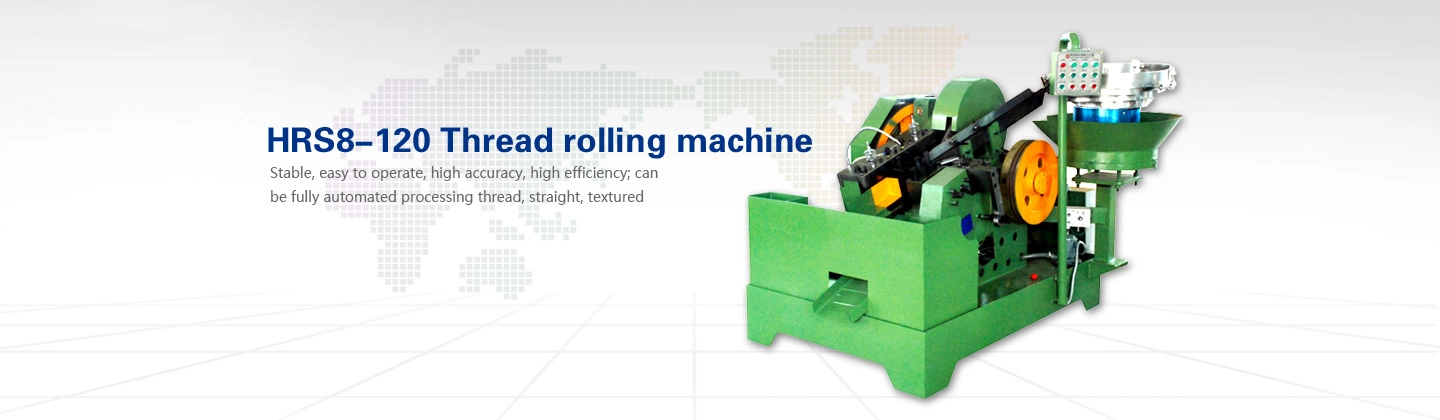
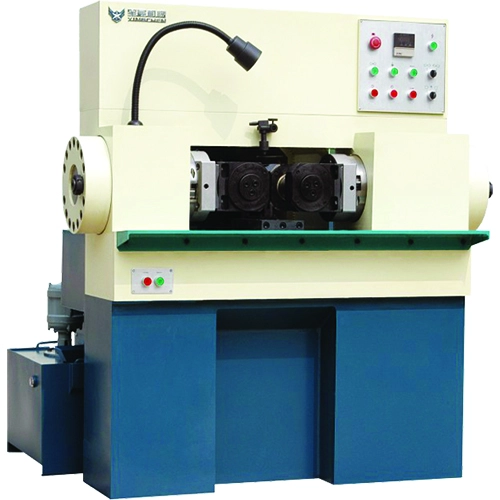
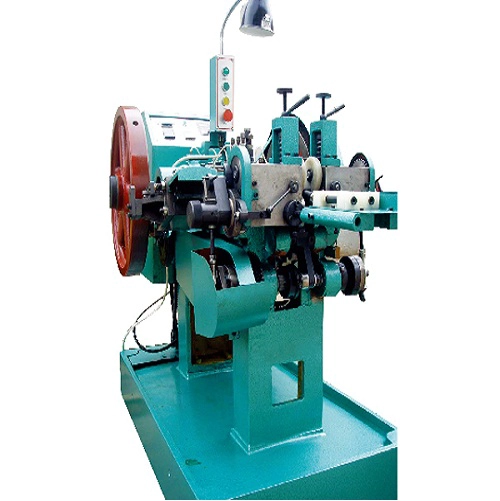
Thread rolling is a cold-forming process that uses hardened steel dies to reshape the surface of a metal workpiece, displacing material to create precise threads—no cutting or chipping involved. Unlike traditional thread cutting, which removes material and weakens the component, thread rolling compacts the metal grain structure, increasing thread strength by up to 30%. Thread rolling machines automate this process, allowing for high-volume production of consistent, near-perfect threads in seconds.
⚙️ Core Advantages of Thread Rolling Machines
1. Unmatched Thread Strength and Durability
By cold-forming threads instead of cutting them, thread rolling preserves the metal’s grain flow, resulting in threads that are more resistant to fatigue, wear, and shear. This makes them ideal for critical applications like aerospace, automotive, and construction, where fastener failure can have catastrophic consequences. Threaded components produced via rolling also have a smoother surface finish, reducing friction and improving corrosion resistance.
2. Exceptional Precision and Consistency
Modern thread rolling machines use servo-driven controls and precision-ground dies to maintain thread tolerances as tight as ±0.01mm. This level of accuracy ensures every component meets strict industry standards (such as ISO, DIN, or ASTM), eliminating costly rework and scrap. For high-volume production, this consistency is a game-changer, allowing manufacturers to meet tight delivery deadlines without compromising quality.
3. High Production Speed and Efficiency
A standard high-speed thread rolling machine can produce up to 1,200 pieces per minute, depending on the component size. This translates to millions of threaded parts per week, making thread rolling up to 10 times faster than traditional thread cutting. Additionally, the cold-forming process eliminates the need for heating, reducing energy consumption by up to 50% compared to hot-forging methods.
4. Versatility Across Industries and Applications
Thread rolling machines aren’t just for standard bolts and screws. They can produce threads on a wide range of components, including:
- Automotive: Engine bolts, suspension components, and transmission parts
- Aerospace: Precision fasteners for aircraft structures and engines
- Construction: Anchor bolts, rebar connectors, and structural bolts
- Manufacturing: Hydraulic fittings, threaded rods, and industrial fasteners With customizable dies and adjustable settings, these machines can handle thread sizes from M2 to M60, making them a flexible investment for any production line.