














Automatic Barrel Zinc Plating Line: How It Works, What It Delivers, and How RAINBOW Configures It
1. What the line does
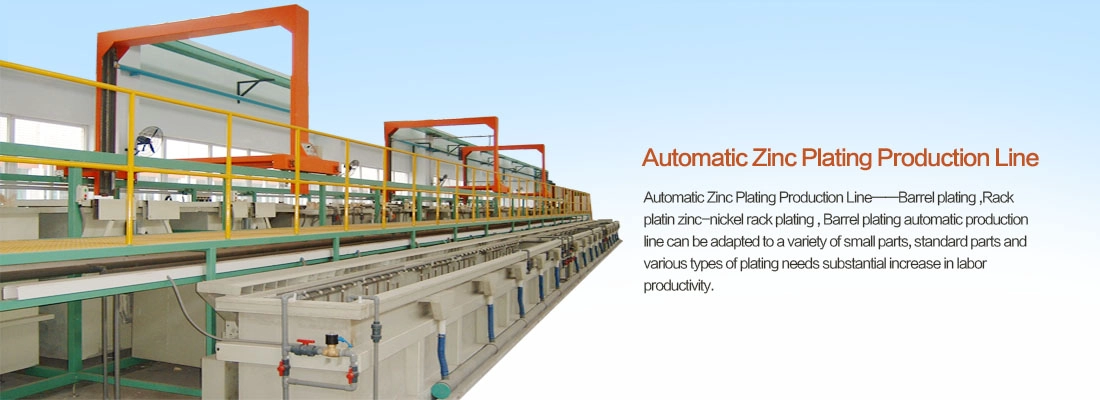
A barrel zinc plating line deposits a zinc coating on bulk small parts by tumbling them inside a perforated rotating barrel immersed in electrolyte, with current passed through the load from cathode contacts.
The "automatic" part is what turns it into a production asset: the barrels move between process tanks on a programmed hoist, with dwell times, current, temperature and chemical additions controlled by the line rather than by an operator's memory.
Done properly, the output is a uniform, adherent, specifiable coating on thousands of parts per hour. Done badly, the output is a batch that passes a thickness check and fails in the customer's hands three months later — white rust in the container, thread that no longer gauges, or a high-strength part that cracks under load from hydrogen embrittlement.
2. The process sequence
Electroplating looks like "dip it in zinc". In reality the coating quality is decided by what happens in the ten tanks before the zinc tank.
1. Loading — parts are loaded into barrels to a controlled fill level. Overfilling is the most common cause of uneven coating and trapped parts.
2. Degreasing — alkaline soak and/or electroclean removes drawing lubricants, stamping oils and handling soils. Residual oil produces skip plating and poor adhesion, not a thinner coating.
3. Rinsing — counter-flow rinses between every process stage, with drag-out control. Rinse quality is both a quality variable and an environmental one.
4. Pickling — acid pickling removes scale and light oxides and activates the surface.
5. Activation — a final dip immediately before plating, so the surface enters the zinc tank in the correct state.
6. Zinc plating — the barrel is immersed in alkaline (cyanide-free) or acid chloride zinc electrolyte, rotating slowly, with rectifier current, temperature and chemistry held in a defined window. Coating thickness is a function of current density × time, and current density is a function of how well the load is distributed inside the barrel.
7. Rinsing and activation — coating is rinsed and, where required, briefly activated before passivation.
8. Passivation — clear/blue, yellow or black passivation, trivalent or hexavalent according to the standard and the market's regulatory requirements. Passivation is what determines corrosion appearance and, to a large extent, salt-spray performance.
9. Drying — hot-air drying to eliminate staining and water marks; wet parts in a closed container become a corrosion test you did not intend to run.
10. De-embrittlement baking — for high-strength parts (typically property class 10.9 and above), a bake to the temperature and time specified by the applicable standard, started within the specified window after plating. This step is not optional for the grades that need it.
11. Unloading, inspection and packing — coating thickness, adhesion, appearance, thread gauging and salt-spray verification per the agreed sampling plan.
3. Where it sits in the fastener line
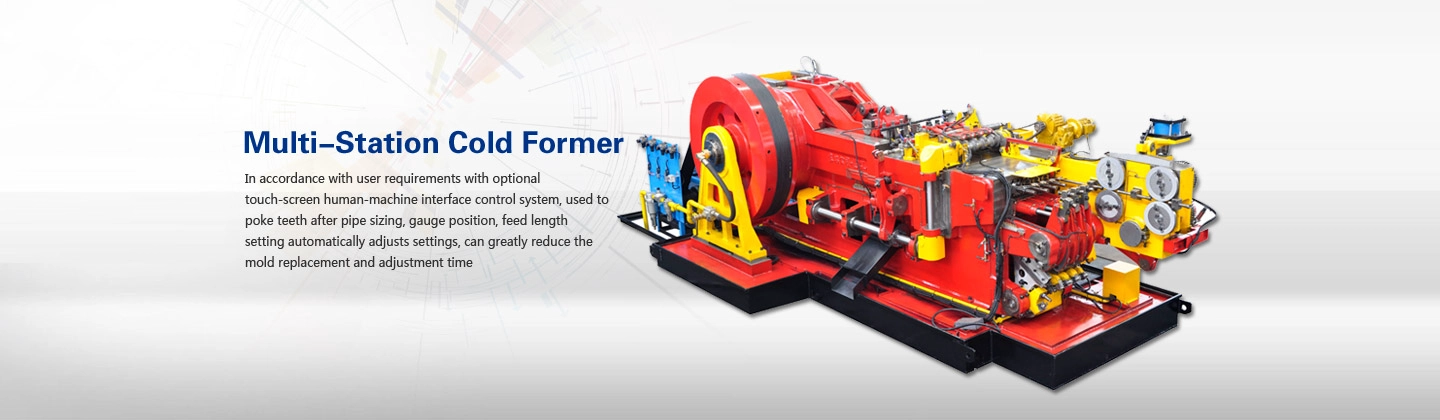
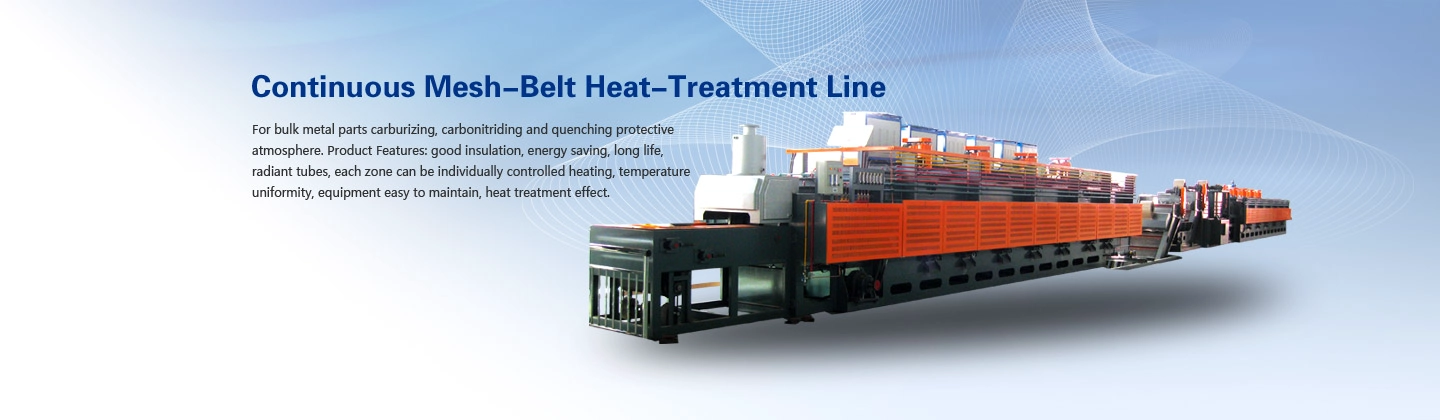
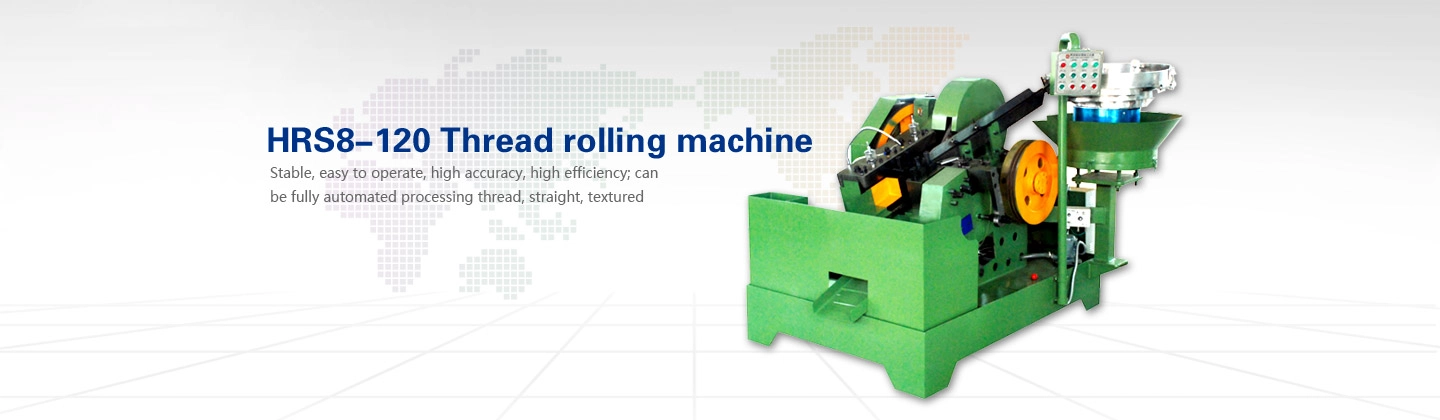
Raw material → Wire drawing → Cold forging → Thread rolling / Tapping → Mesh-belt heat treatment → Barrel zinc plating → Finished products
Two interfaces matter more than any other:
- Upstream (heat treatment): a decarburised or scaled surface produces poor adhesion and a plating that looks acceptable until it is bent.
- Downstream (assembly): coating thickness must be planned against the thread tolerance class. Plating a 6g thread to 12 µm without allowing for it produces a bolt that will not assemble — the most common plating-related complaint in the fastener trade.
4. Advantages of an automatic barrel line
4.1 Repeatability, not just capability
A manual line can produce good parts; an automatic line produces the same parts next Tuesday. Dwell times, current ramps, temperatures and additions are executed identically for every load — which is what makes a certificate meaningful.
4.2 Uniform coating on high volumes of small parts
Barrel tumbling exposes every face to the electrolyte. For bolts, nuts, washers and stamped parts, this gives consistent coverage including threads and recesses, at a fraction of the handling cost of rack plating.
4.3 Chemical and energy efficiency
Counter-flow rinsing, controlled drag-out, automatic dosing and filtration keep bath chemistry stable with less chemical consumption and less effluent load. Rinse water and effluent volume drop sharply compared with uncontrolled manual operation.
4.4 Lower labour and fewer human-error failure modes
Loading, transfer, dwell, unloading and drying are mechanised. The operator's job moves from "carrying barrels" to "monitoring the window" — a different skill, and a more reliable one.
4.5 Traceability per lot
Current, time, temperature, chemistry and passivation bath are logged per load, which is what a customer's quality audit actually asks for.
4.6 Regulatory headroom
Trivalent passivation and cyanide-free alkaline chemistry keep the line aligned with the market direction on restricted substances, and make the switch easier when a destination market tightens its requirements. [Confirm the specific regulatory scope you need to claim, for example RoHS/ELV-relevant declarations.]
4.7 Honest limits
- Hydrogen embrittlement is a process risk, not a coating defect: high-strength parts need the bake step and a plating window that respects it.
- Thread fit must be engineered — coating thickness plus tolerance class plus gauging, decided before the first barrel is plated.
- Barrel plating is not for everything: very large, very light or geometrically nesting parts plate better on racks or in suspension.
- Chemistry drift is silent: filtration, dosing and analysis discipline are the difference between a stable bath and a line that produces "good" and "bad" weeks for no visible reason.
5. How RAINBOW configures the line
Standard architecture below; the bracketed values are the project-specific selections made against your part range, coating specification and output target.
1. Line layout and handling Modular tank line with program-controlled hoist(s) and recipe-driven transfer between stations
2. Tanks and construction [PP / PVC / PVDF] tanks on a steel frame with drip trays, drainage and bunding. [Tank volumes] · [Heated tanks and temperature range] · [Counter-flow rinse stages].
3. Plating barrels Perforated polypropylene barrels sized to the part range, with cathode contacts and variable speed drive. [Barrel size and volume] · [Perforation pattern] · [Load weight per barrel] · [Rotation speed range].
4. Electrolyte and rectifier [Alkaline cyanide-free zinc / acid chloride zinc], with rectifier, busbars and current-density control. [Rectifier rating: A / V] · [Bath temperature control] · [Filtration and circulation rate] · [Automatic dosing and analysis interval].
5. Passivation and sealing [Clear-blue / yellow / black trivalent passivation], optional post-dip sealant. [Passivation bath configuration] · [Sealant type] · [Drying temperature and time].
6. De-embrittlement [Integrated bake oven / separate oven], with time-temperature recording. [Capacity per batch] · [Temperature range] · [Start-time control after plating].
7. Control, data and safety PLC with product recipes, per-load logging of current, time, temperature and chemistry, alarm and interlock management, exhaust and fume scrubbing, chemical storage and dosing safety. [HMI language options] · [Data export format] · [Effluent treatment scope: included / by customer] · [Applicable standards and certifications].
8. Line integration Interface to the upstream heat treatment furnace and downstream inspection/packing, plus return of dried parts to gauging. [Boundary of supply] · [Utilities required: power, water, compressed air, drainage].