













Cold Heading Machines: How They Work and How to Choose One
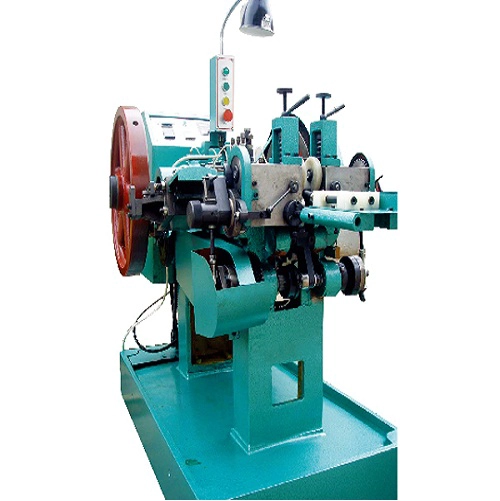
A cold heading machine turns cut lengths of wire into fastener blanks by pressing the metal into shape with punches and dies, without deliberately heating the blank before forming. It is commonly used to make blanks for bolts, screws, and rivets. Choosing the right machine starts with the part drawing: the head shape, shank geometry, material, and tolerances tell you more about the required setup than the fastener name alone.
How Does a Cold Heading Machine Work?
- Feed and cut the wire. Wire feeds from a coil, and the machine cuts it to a controlled length. This cut piece, called a blank, supplies the material for the part.
- Form the blank. A punch applies force while the die constrains the metal. In upsetting, the metal is compressed lengthwise so it can spread outward to form a feature such as a bolt or rivet head. Extrusion can reduce a section of the blank to form a smaller shank diameter.
- Build the shape in stages. Depending on the tooling and machine design, a part may receive multiple blows at one station or move through several stations for successive operations. For example, one operation can preform the head and another can finish its shape.
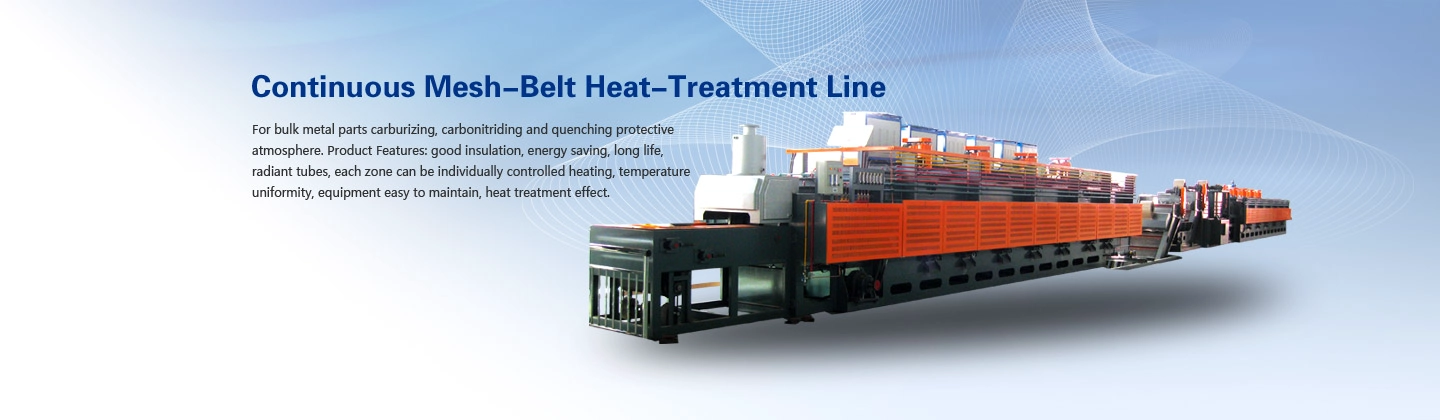
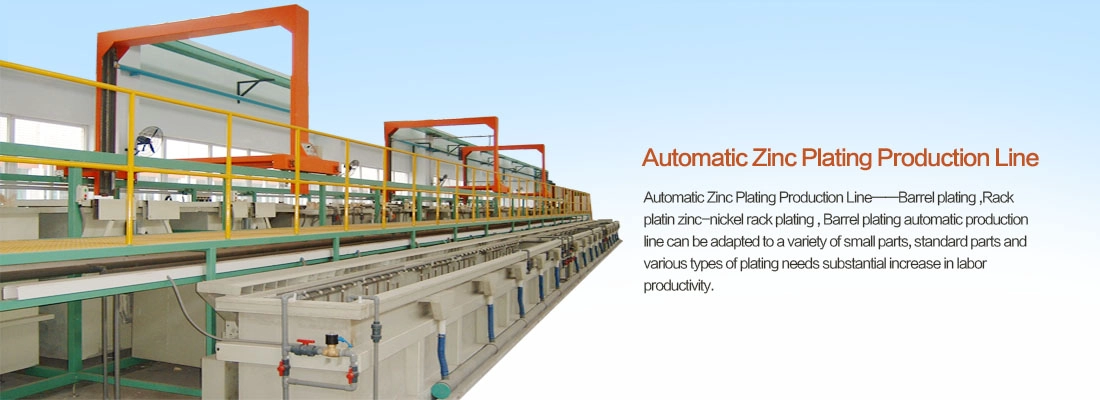
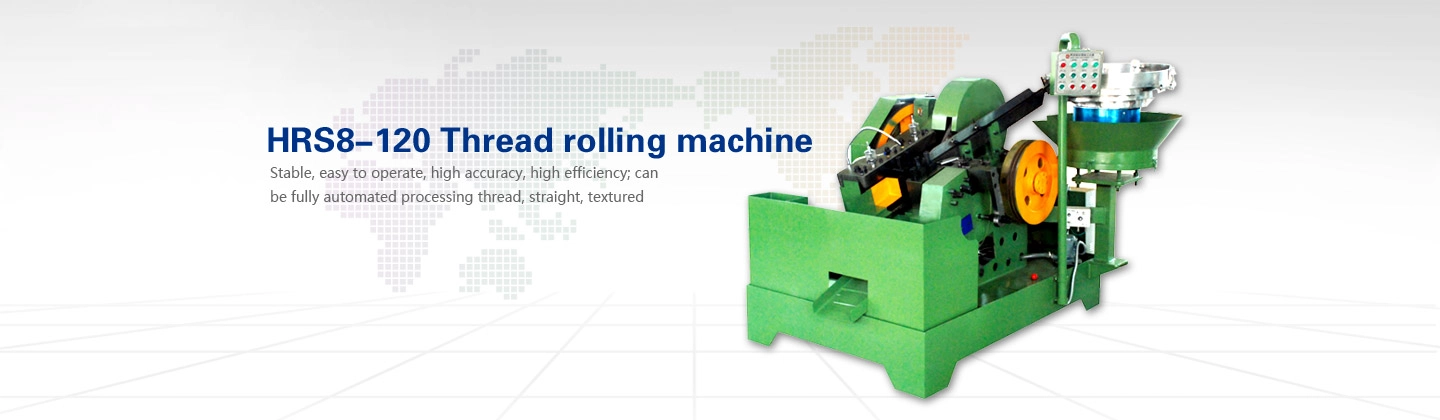
- Eject the formed part. The headed blank leaves the machine for any remaining operations. For bolts and screws, thread rolling is typically a separate operation. Heat treatment or coating may follow, depending on the part specification.
Single-Station vs. Multi-Station Cold Heading Machines
A single-station cold header can be a practical choice for a simple part that does not need transfer between forming stations. Some single-station machines can apply more than one blow, so the number of stations and the number of blows are not the same thing.
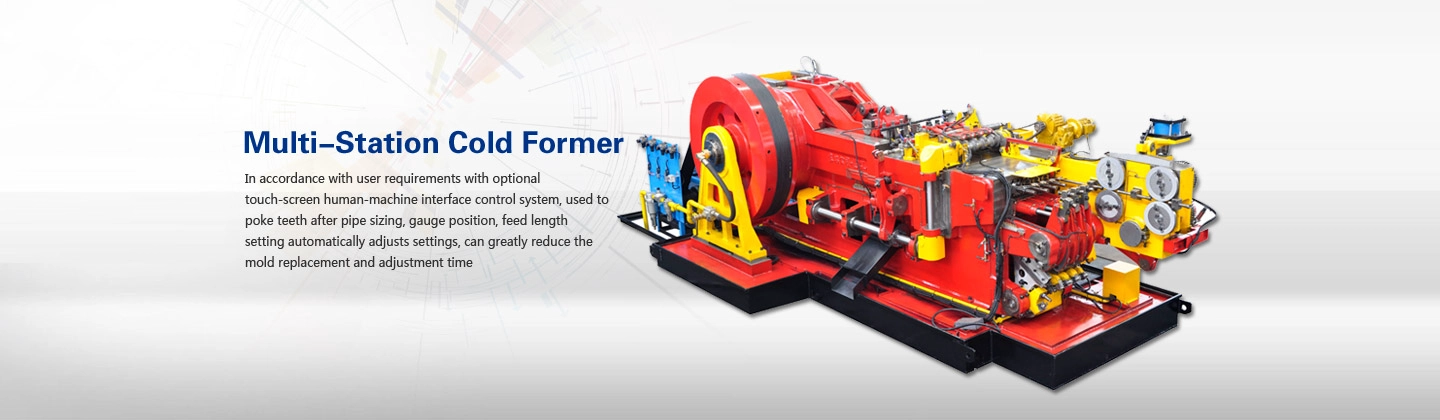
A multi-station cold heading machine, often called a multi-station cold former, transfers the blank through successive die positions. This lets the tooling divide operations such as preforming, upsetting, and extrusion across stations. It may be a better fit for blanks with stepped shanks or head shapes that are difficult to form in a single stage. More stations are not automatically better: ask for a proposed forming sequence before committing to a configuration.
How to Choose a Cold Heading Machine for Fastener Production
Start with the drawing, not the wire diameter alone
Compare the part drawing with the machine’s forming capacity, cutoff range, and tooling space. Two parts made from the same wire diameter can require different setups if one has a larger head or needs more material moved during forming. Identify critical tolerances and clarify which dimensions apply to the headed blank and which apply to the finished part.
Specify the material grade and wire condition
Do not stop at “carbon steel” or “stainless steel.” Provide the exact grade and the known condition of the incoming wire. Material condition and surface preparation affect how the wire forms and can influence forming load and tooling wear. If the wire specification is still open, flag that before the tooling is selected.
Compare output for your part, not just the catalog speed
Ask which part, material, and tooling setup a quoted running speed assumes. For a line that also includes thread rolling or other downstream operations, compare the expected output across the whole line. If you switch between part families frequently, ask how die changes and transfer adjustments are handled.
Confirm what a trial run will prove
Agree on the sample material, critical dimensions, and inspection method in advance. If the drawing specifies finished-part tolerances, identify which checks can be made on the headed blank and which must wait until after thread rolling or other finishing operations.
Frequently Asked Questions
Can the same cold heading machine make bolts and rivets?
Potentially. The machine must have the forming capacity, cutoff range, and tooling arrangement required for both parts. The two products would generally need different tooling setups. Review both drawings before assuming one machine can produce them.
Does a cold heading machine form the threads?
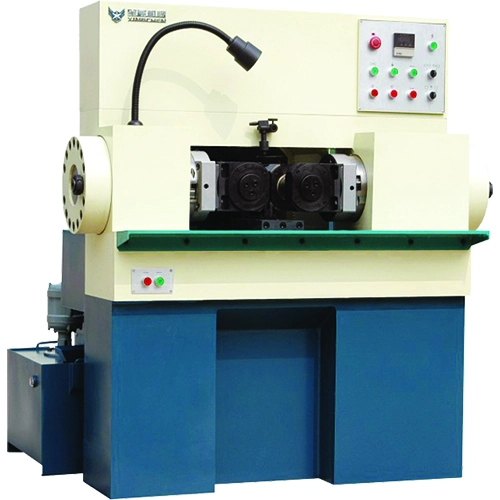
Usually not. The cold header forms the blank; a thread rolling machine typically forms the threads in a separate operation. When comparing equipment, clarify whether the proposed scope covers heading only or includes thread rolling.
Request a Machine Recommendation for Your Part
Send us your part drawing or sample details, material grade, available wire diameter, and target production volume. Note any downstream operations you want included. This information helps us evaluate the forming sequence, tooling requirements, and machine configuration before you request a quote.