




Fastener Surface Finishes: Zinc Plating, Hot‑Dip Galvanizing, Zinc Flake and Passivation Selection Guide
Corrosion is one of the top causes of fastener joint failure. Even a bolt with correct strength grade and perfect forming quality can lose clamp load or fracture prematurely when rust develops at thread roots and contact surfaces. Surface coating is the primary engineering method to isolate base metal from moisture, oxygen, chloride and acidic pollutants. Different fastener coatings work through two core protection mechanisms: barrier protection, which seals the substrate from the environment, and sacrificial cathodic protection, where the coating metal is more active than steel and corrodes preferentially to protect the base steel when scratches expose the substrate. Each commercial finish has distinct strengths, limitations, friction behaviour, regulatory status and cost, so coating selection must be tied to service environment, fastener strength grade, assembly torque requirement and compliance rules.
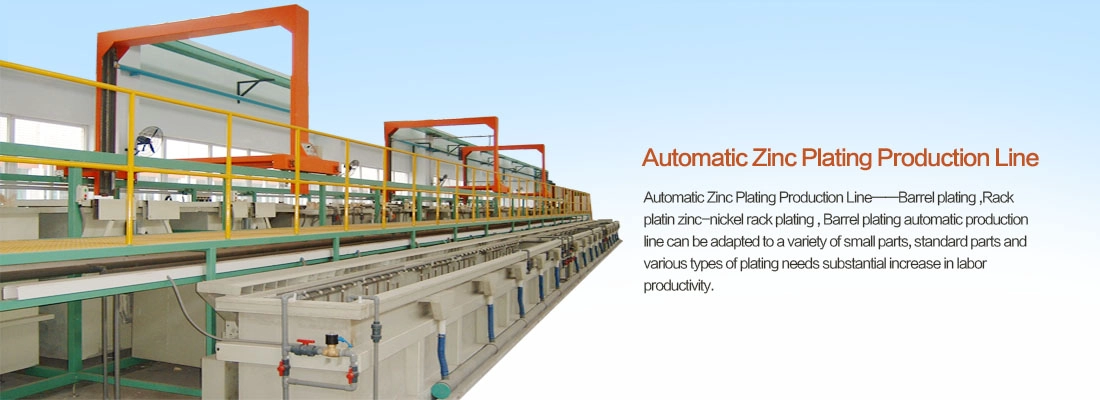
Electro zinc plating is the most common low‑to‑medium corrosion protection finish for carbon steel fasteners. Zinc is deposited electrolytically onto the fastener surface, then passivated in chemical solution to form a transparent, yellow, black or olive chromate film. The passivation layer drastically extends salt spray life by sealing the zinc layer. The industry transition from hexavalent chromium (Cr6) passivation to trivalent chromium (Cr3) is driven by RoHS and REACH regulation, because Cr6 is carcinogenic and restricted in most export markets. Cr3 passivation can achieve 240–720 hours white rust resistance in neutral salt spray testing, while traditional Cr6 can reach longer salt spray hours, yet it is banned for many European and electronic products. A major hidden hazard of electro zinc plating is hydrogen embrittlement. During pickling and electroplating, atomic hydrogen penetrates into the steel lattice. For fasteners with hardness above 32 HRC (typically class 10.9 and 12.9 bolts), trapped hydrogen can cause delayed brittle fracture under static load weeks or months after installation. The standard mitigation is de‑hydrogen baking: parts must be baked at 190–230°C within four hours after plating, holding for 2–4 hours to diffuse hydrogen out. If the plating shop skips baking, high‑strength zinc‑plated bolts become extremely risky for critical applications. Another limitation of zinc plating is thin coating thickness. Coating thickness is usually 5–12 μm; if too thick, the coating fills the thread clearance and causes tight thread fit, high friction and unstable torque‑preload relationship.
Hot‑dip galvanizing (HDG) submerges cleaned fasteners into molten zinc at approximately 450°C. A metallurgical zinc‑iron alloy layer forms between substrate and pure zinc outer layer. HDG coatings are thick, normally 40–80 μm, delivering outstanding sacrificial corrosion resistance, often over 1000 hours salt spray red rust resistance. It is widely used for outdoor structural steel fasteners, power transmission towers, guardrails and offshore support structures. However, HDG has obvious drawbacks for precision threaded fasteners. The thick alloy layer changes thread dimension. Standard practice requires tapping nuts oversize or using hot‑dip galvanized matched thread sets to avoid jamming. HDG also changes friction significantly; galvanized joints have higher and more variable friction coefficient, so torque values must be recalculated using correct K‑factors. In addition, the high immersion temperature makes HDG unsuitable for pre‑quenched high‑strength bolts because heat exposure can reduce the designed hardness and mechanical properties.
Zinc flake coating, including Dacromet and Geomet systems, is a water‑borne inorganic coating made of overlapping zinc and aluminium flakes bonded by chromate or chromium‑free binder. It is applied by dip‑spin or spraying and cured at moderate temperature around 300°C. Zinc flake provides excellent cathodic protection, low hydrogen risk compared with electroplating, stable friction performance and good heat resistance. Many automotive and wind energy specifications specify zinc flake for 10.9 and 12.9 bolts precisely because hydrogen embrittlement risk is much lower. It can achieve 500–1000 hours white rust resistance and is available with topcoat for further improvement. The downsides are higher cost than zinc plating and thinner single‑layer build. Multi‑layer coating cycles are needed for aggressive coastal environments. Also, zinc flake coatings are softer and easier to scratch during transportation and assembly.
Black oxide is a chemical conversion coating, not a deposited metal layer. It creates a thin magnetite film on steel surface, providing almost zero sacrificial corrosion protection. Black oxide relies on supplementary oil or wax sealant to repel water. Without post‑sealing, black oxide fasteners rust quickly in humid air. Its main advantage is uniform black appearance, minimal dimensional change and low friction. It is used for indoor tooling, machinery aesthetic parts and dry‑environment assemblies where corrosion is not the main concern. It should never be specified for outdoor or wet service.
Passivation for stainless steel fasteners removes free iron contamination left from manufacturing and forms a stable chromium oxide passive film. It does not add coating thickness. Stainless steel passivation improves the native anti‑corrosion performance of A2 and A4 fasteners, but it cannot repair damage caused by continuous chloride immersion. A2‑70 passivated fasteners still suffer pitting corrosion in marine splash zones, where A4‑80 is required.
PTFE or dry‑film lubricant coatings are often combined with zinc base layers. They lower the friction coefficient dramatically, stabilising the torque‑preload scatter. This is valuable for critical bolted joints where consistent preload is essential, such as cylinder head bolts. The engineer can apply the designed torque with predictable clamp load, reducing variation caused by thread friction. But PTFE topcoat may reduce coating adhesion and can be damaged by repeated disassembly.
A very common purchasing mistake is treating salt spray hours as the only selection index. Salt spray is an accelerated laboratory test; it does not perfectly replicate real atmospheric, marine or industrial corrosion. A coating with 1000 hours salt spray may perform poorly in real cyclic temperature and chloride splash conditions. Meanwhile, a coating with moderate salt spray life may be fully sufficient for indoor dry factory environments. The decision matrix should list: base fastener grade, risk of hydrogen embrittlement, thread fit tolerance, torque stability requirement, operating atmosphere, temperature range, RoHS/REACH requirement and project budget.
In summary, there is no universal “best” fastener coating. Electro zinc Cr3 passivation balances cost and moderate corrosion protection for general carbon steel fasteners, with strict baking control for ≥10.9 grades. Hot‑dip galvanizing is the economic heavy‑duty option for large structural bolts where thread fit can be adjusted. Zinc flake is the premium choice for high‑strength critical bolts needing low hydrogen risk and stable friction. Black oxide and stainless passivation serve niche purposes rather than general anti‑corrosion. Matching the coating system to the joint’s actual service environment prevents expensive corrosion failures and over‑specification waste.