





Bolted Joint Reliability: Preload, Torque Control, Loosening Mechanism and Fastener Failure Root Cause Analysis
Most fastener failures are not caused by the bolt breaking under static overload, but from poor preload management and misunderstood joint behaviour. A bolted joint functions correctly only when the fastener is stretched to a controlled preload, clamping the joint members together. If preload is too low, external working load separates the joint, relative movement occurs between mating surfaces, and the fastener sees cyclic alternating load leading to fatigue crack initiation. If preload is excessively high, the bolt yields, permanent elongation appears, clamp load drops, or the thread strips, gasket crushes and flange distorts. Therefore, tightening control is the central discipline of fastener engineering, and torque is merely a convenient indirect method to estimate preload.
The classic torque‑preload formula is T = K × F × d, where T is applied torque, K is the nut factor (friction factor), F is target preload and d is nominal bolt diameter. The K‑factor integrates friction on the thread flank and friction under the nut bearing face. This is the reason torque alone is unreliable: K changes dramatically with surface coating, lubrication, surface roughness, thread wear and contamination. A dry zinc‑plated bolt may have a K‑factor near 0.20; the same bolt with molybdenum disulfide lubricant can drop K below 0.10. If engineers use dry torque figures on lubricated fasteners, they will produce far higher preload than planned and risk yielding the bolt. Typical torque‑based tightening has an inherent scatter of ±25% or even wider when friction is uncontrolled. For non‑critical assemblies this may be acceptable, but for engine, pressure vessel and wind turbine bolted connections, more precise tightening strategies are required.
Angle‑controlled tightening (turn‑of‑nut method) is widely used for high‑strength structural joints. After bringing the joint to a snug contact state, the operator rotates the nut by a defined additional angle. This angle directly controls bolt elongation, which is much less sensitive to friction variation. Yield‑controlled tightening goes one step further: the tightening system monitors torque‑angle gradient and stops automatically when the bolt approaches yield point, extracting the maximum safe preload from each fastener. Ultrasonic bolt measurement is the most accurate direct method: an ultrasonic transducer measures bolt length change during tightening and calculates real elongation and preload, ideal for research, audit and ultra‑critical long‑term monitoring.
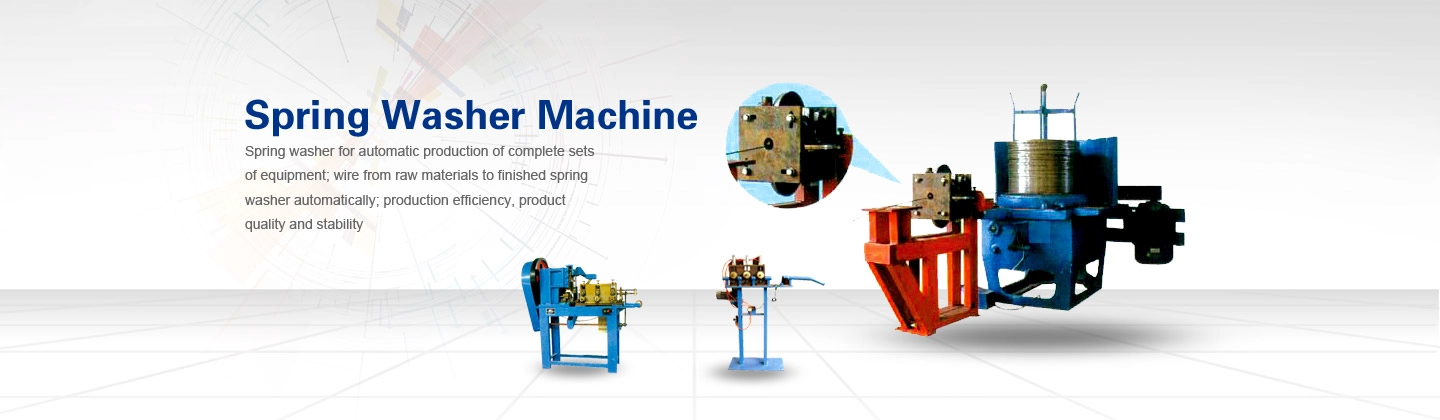
Self‑loosening under vibration remains a pervasive problem. The old belief that spring washers reliably stop loosening is partially misleading. A standard single coil spring washer creates limited axial spring force; under high‑amplitude cyclic transverse movement, the washer flattens quickly and cannot prevent relative thread sliding. Transverse slip between male and female thread surfaces is the root cause of vibration loosening. When slip occurs, friction reverses direction and the nut rotates backward gradually. Modern anti‑loosening solutions are classified by mechanism. Nylon insert lock nuts (nylock nuts) create a polymer interference on the thread, generating persistent prevailing torque that resists rotation. They are economical for medium vibration but the nylon sleeve degrades at elevated temperature and cannot be reused many times. Thread‑locking anaerobic adhesives fill thread clearance, cure in the absence of air and bond threads together. Low‑strength removable grade is for maintenance joints; high‑strength permanent grade locks the assembly and requires heat or impact for disassembly. Double‑nut method uses a thin jam nut and main nut to create opposite thread friction, but proper installation sequence is critical, and it is sensitive to assembly error. Serrated flange nuts and toothed lock washers bite into the mating surface to resist transverse slip; they work well on soft or painted surfaces but damage the surface finish and lose effectiveness if the surface yields.
Fastener failure analysis requires distinguishing fracture modes correctly. Fatigue failure is the most frequent dynamic failure. Fatigue cracks start at stress concentration points, most often at the thread root or the under‑head fillet radius. The fracture surface shows a smooth beach mark zone from progressive crack growth and a rough final rupture area. Fatigue almost always indicates insufficient preload, so the joint opens and closes under cyclic load. Hydrogen embrittlement fracture is typically brittle with little plastic deformation, occurring suddenly after a delay under static load. It is associated with high hardness steel, electroplating and inadequate baking. Stress corrosion cracking (SCC) combines tensile stress and specific corrosive medium. 12.9 alloy steel is sensitive to SCC in humid environments with sulphide; A2 stainless steel suffers chloride stress corrosion cracking in warm brine. SCC cracks branch and follow intergranular paths in many cases. Thread stripping happens when the internal or external thread shear strength is exceeded; it may come from over‑torque, mismatched bolt‑nut strength, damaged threads or too thin tapped parent material.
Reuse policy for high‑strength fasteners is another practical topic. Once a 10.9 or 12.9 bolt has been tightened close to yield, the material has experienced plastic strain. Its yield reserve is reduced, and fatigue performance declines. Many industrial standards prohibit reusing bolts after yield‑controlled tightening. For bolts tightened well below yield under controlled conditions, limited reuse of 2–3 cycles may be permitted only after inspection for thread damage, corrosion and necking. Stainless steel fasteners are prone to galling during repeated assembly; thread cold welding can seize the nut permanently, so repeated disassembly should be minimised.
Field inspection and maintenance audit help detect degradation before failure. Inspectors check for loose nuts by calibrated torque audit, visual corrosion, gasket extrusion, bolt bending and surface cracking. Torque auditing is different from initial tightening: retightening to target torque often gives false results because relaxation and embedding have changed friction state. The better practice is mark‑and‑check rotation or ultrasonic preload verification for critical joints. Engineers also need to record operating cycles, temperature fluctuation and chemical exposure, because these factors accelerate relaxation, creep and corrosion.
To summarise, bolted joint reliability is built on correct preload rather than following a torque number from a handbook. Engineers must select suitable tightening methods according to joint criticality, control friction variation, choose anti‑loosening devices matching vibration level and temperature, and interpret failure fracture features accurately. Fastener procurement and specification should not stop at selecting grade and coating; the whole assembly, tightening procedure and maintenance regime must be considered as one integrated system. Even the highest‑quality 12.9 bolt with premium zinc flake coating can fail prematurely if the preload is wrong and anti‑loosening design is inappropriate.