














Energy‑Optimized Continuous Mesh Belt Furnace Supports Stable Fastener Heat‑Treatment Production
Rising energy costs and stricter environmental rules are pushing fastener manufacturers to re‑evaluate their heat‑treatment workflows. While cold heading, nut forming and thread rolling define part geometry, the mesh belt furnace determines final hardness, toughness and fatigue performance for 8.8, 10.9 and 12.9‑grade high‑strength fasteners. Many manufacturers are replacing outdated batch‑type furnaces with modern continuous mesh belt heat‑treatment lines, pursuing stable metallurgical results together with better energy utilization in mass‑volume production.
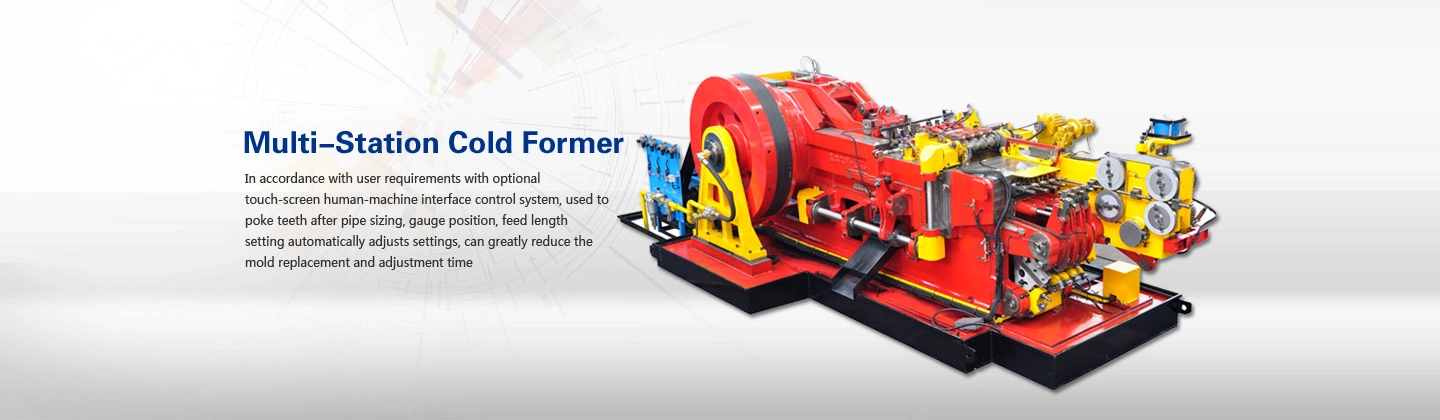
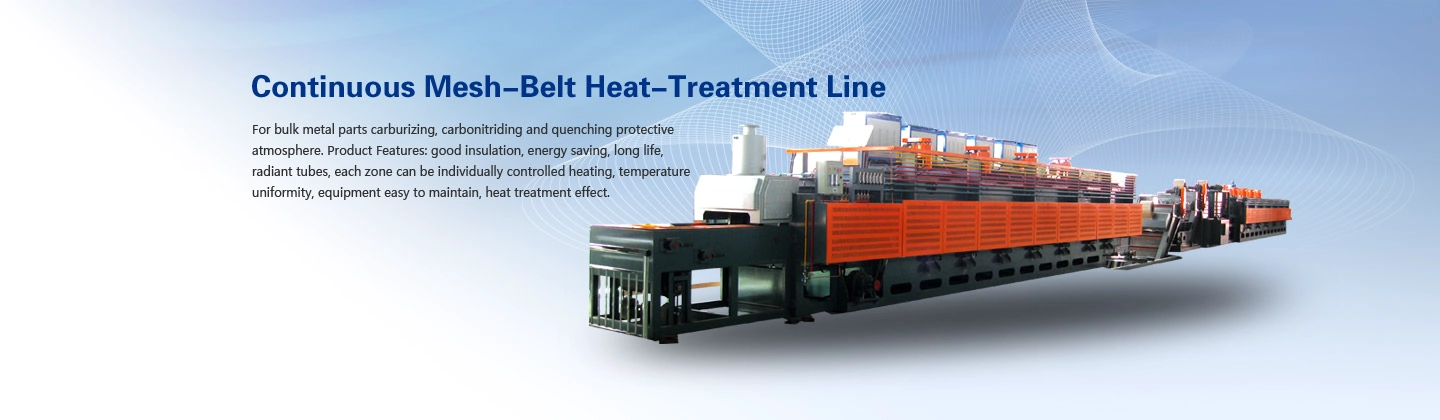
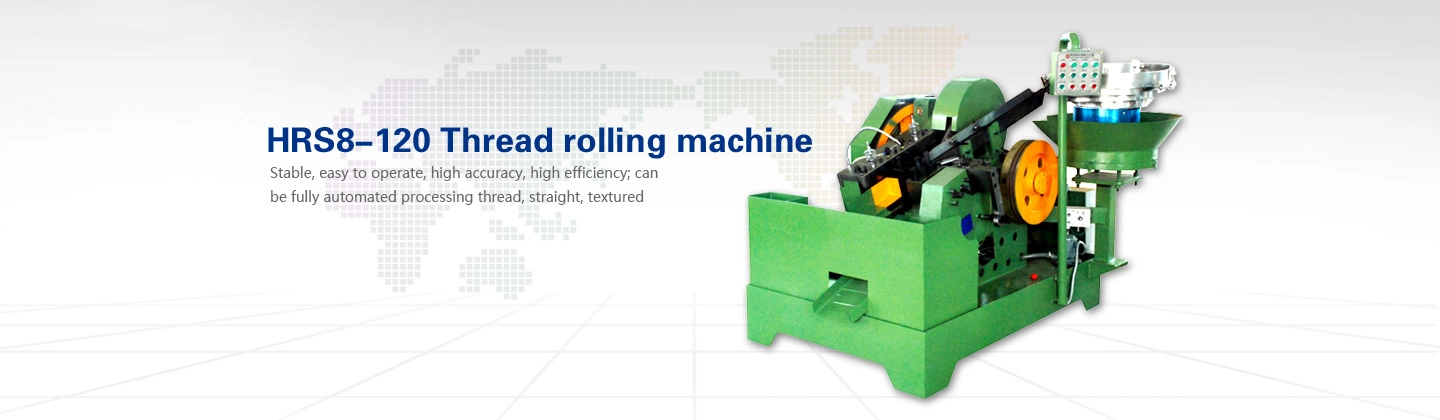
Unlike batch furnaces that require repeated heating‑up and cooling‑down cycles between production batches, a well‑designed continuous mesh belt furnace maintains stable operating temperature for round‑the‑clock inline processing. Workpieces are transported by high‑temperature‑resistant stainless‑steel mesh belt sequentially through heating, quenching, washing and tempering zones. It can directly connect with upstream cold‑forming and thread‑rolling equipment to realize full‑process automatic fastener manufacturing.
Energy‑optimized structural design is one of the key highlights of new‑generation mesh belt furnace. Thickened multi‑layer refractory insulation lining reduces heat radiation loss through furnace walls. Waste‑heat recovery structures capture exhaust heat and reuse it for pre‑heating protective atmosphere gas or process air, improving overall thermal efficiency. Both electric‑heated and gas‑fired configurations are available, giving factories flexibility to match local power or fuel supply conditions. Actual energy‑saving performance will vary based on workpiece specifications, loading density, operating hours and on‑site utility conditions for each production plant.
Multi‑zone independent PID temperature control keeps consistent temperature inside furnace chambers, minimizing hot‑cold zones and avoiding uneven hardness across batches. Equipped with nitrogen‑methanol protective atmosphere systems, the continuous mesh belt furnace effectively lowers risks of surface decarburization and oxidation for bolts and nuts. Parts exit with bright surface condition, reducing extra workload for post‑process blasting or polishing. Mesh‑belt travelling speed supports stepless adjustment, suitable for processing everything from miniature electronic fasteners to heavy‑duty studs for new‑energy and wind‑power applications.
Intelligent control functions have become standard on modern units. The HMI touch‑screen saves multiple heat‑treatment recipes for fast product change‑over. Real‑time monitoring tracks furnace temperature, carbon potential, mesh‑belt tension and heating element status. Automatic alarm notifications trigger upon abnormal readings, helping operators reduce unplanned downtime and extend service life of key wearing components.
Downstream market demands keep driving furnace technology iteration. New‑energy vehicle chassis and battery fasteners, photovoltaic anchor bolts, and construction machinery connecting components all demand repeatable, consistent heat‑treatment outcomes. Equipment buyers now pay close attention not only to hourly throughput capacity, but also to thermal efficiency, atmosphere stability and overall operating cost over equipment service life.
On the global market, Asia‑Pacific represents the largest consumption base for mesh‑belt heat‑treatment equipment, supported by complete fastener industrial chains. Chinese furnace manufacturers keep optimizing insulation structures and intelligent control logic, delivering reliable turnkey heat‑treatment solutions for global fastener producers. European purchasers prioritize low‑emission designs complying with local environmental regulations, while Southeast Asia keeps releasing new procurement demands as fastener‑manufacturing capacity shifts.
Industry analysts note that energy‑optimized continuous mesh belt furnaces will gain wider adoption in coming years. Good thermal efficiency, stable metallurgical performance, smart monitoring capability and seamless integration with cold‑forming production lines will serve as major purchasing criteria for fastener heat‑treatment equipment suppliers worldwide.