














The Working Principle and Advantages of a 2-Die 4-Strike Heading Machine for Screw Manufacturing
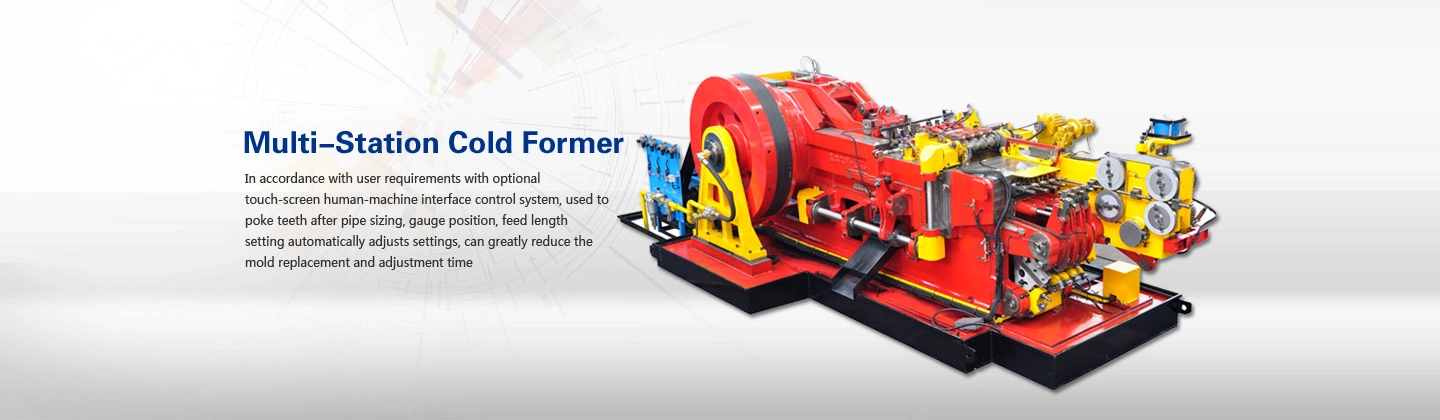
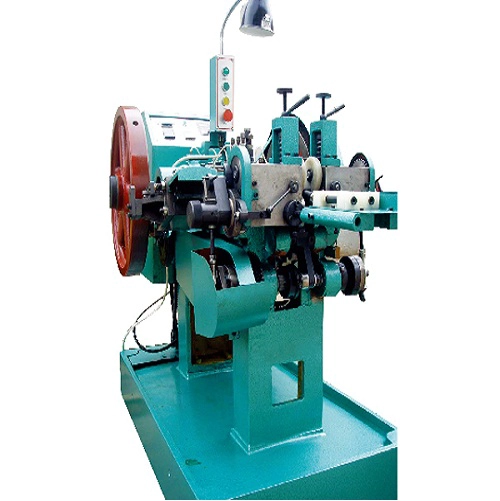
A 2-die 4-strike heading machine is a sophisticated type of cold heading equipment widely used in the high-volume production of screws, bolts, and other fasteners. Its design represents a significant advancement over simpler models, offering superior precision and material efficiency.
Working Principle
The fundamental process is one of cold forming, where metal wire is shaped at room temperature through immense pressure rather than by removing material. The "2-die 4-strike" designation refers to the machine's specific configuration: it utilizes two different dies and subjects the workpiece to four distinct forming strokes to create the final head shape.
The operation unfolds in a continuous, automated sequence:
Wire Feeding and Cutting: The process begins with a coil of metal wire. A feed mechanism pulls a precise length of wire, which is then cut to form a slug or blank. This blank's volume is calculated to perfectly form the final screw head.
First Transfer: The cut blank is transferred into the first die.
First and Second Strikes: Within the first die, the blank undergoes two successive forming operations (strikes). The first strike typically begins the upsetting process, gathering the material and starting to form the general shape of the head. The second strike further refines this shape, preparing it for the final forming stage.
Second Transfer: The partially formed workpiece is then moved from the first die to the second, final die.
Third and Fourth Strikes: In the second die, the workpiece undergoes the final two strikes. The third strike brings the head to its near-final dimensions, and the fourth strike completes the forming process, creating the precise final geometry of the screw head, including any specific contours or undercuts.
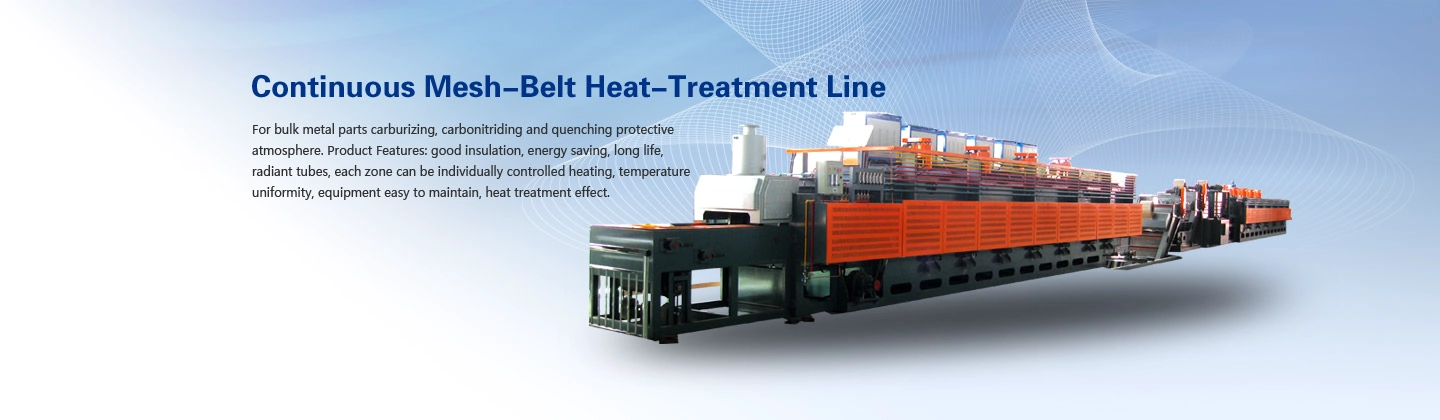
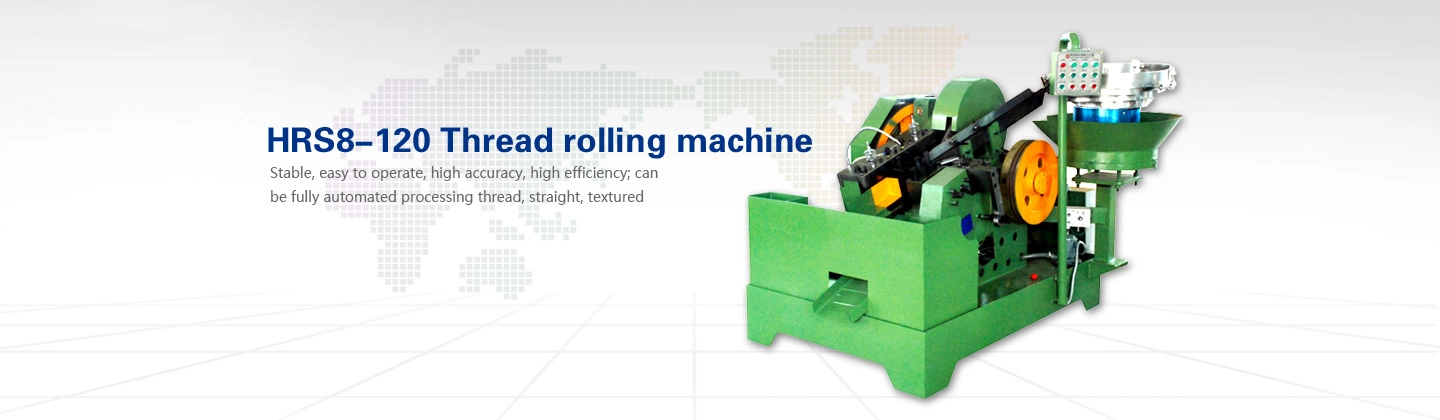
Ejection: Once the heading process is complete, the finished screw blank is ejected from the machine, ready for subsequent operations like thread rolling.
This multi-stage approach allows for a gradual and controlled deformation of the metal, which is crucial for producing complex head shapes with high accuracy.
Key Advantages
The 2-die 4-strike heading machine offers several distinct advantages that make it ideal for modern fastener manufacturing:
Superior Material Utilization: As a cold forming process, it reshapes the metal without cutting away any material. This results in near-zero material waste, making it highly efficient and cost-effective, especially when working with expensive alloys.
Enhanced Mechanical Properties: The cold working process alters the grain structure of the metal, causing the grain flow lines to follow the contour of the screw head. This significantly improves the part's tensile strength, fatigue resistance, and overall structural integrity compared to machined parts.
High Production Efficiency: These machines operate at very high speeds, often producing hundreds of parts per minute. The automated, continuous process ensures a consistent and rapid output, which is essential for mass production.
Excellent Product Quality and Precision: The four-strike sequence allows for the creation of complex and precise head geometries that would be difficult or impossible to achieve with fewer strikes. This results in high-quality parts with excellent dimensional consistency and a superior surface finish.
Versatility: This type of machine is capable of manufacturing a wide range of fasteners, from standard screws and bolts to more complex, non-standard parts. It can handle various materials, including carbon steel, stainless steel, aluminum, and copper.