




Bolt Plant Setup in 2026: Layout, Utilities and Equipment Checklist
Bolt Plant Setup in 2026: Layout, Utilities and Equipment Checklist
Most equipment enquiries arrive in the wrong order. A buyer decides on a machine, signs, and only then asks the civil contractor whether the floor can carry it, whether the transformer has capacity, and whether there is anywhere to put the quench tank.
The cost of getting that order wrong is not the machine — it is the six weeks of site work, the upgraded substation, and the crane that has to be re-rated after the roof is already on.
This checklist sets out the sequence that keeps a bolt or nut plant project on schedule: capacity first, layout second, utilities third, equipment last.
1. Start With Annual Tonnage, Not With a Machine
Capacity planning works backwards from demand:
Required hourly output = annual pieces ÷ (working days × shifts × hours per shift × line OEE)
OEE is the variable buyers underestimate. A line that is theoretically rated for a full shift rarely delivers a full shift of good parts — changeovers, die changes, wire coil joins, upstream starvation and quality holds all consume time. Planning at 100% of nameplate output is the single most common reason a new plant misses its first-year volume target.
Two decisions follow from this number and should be made before any quotation is requested:
- Single-shift or multi-shift operation. A plant designed for two shifts needs buffer capacity and spare tooling that a single-shift plant does not.
- Peak versus average sizing. Size the forming machines for peak demand, and size the furnace and coating line for average demand. Sizing everything for peak means paying for idle capacity in energy and floor space.
2. Fix the Layout Before Ordering Anything
Three layout patterns cover most fastener plants:
- Straight line — simplest material flow, easiest to expand at the end, but requires a long building and more conveying.
- U-shaped cell — one operator can cover forming and rolling, shorter walking distance, better for small and medium parts.
- Process-grouped — all headers in one bay, all rollers in another, heat treatment and coating separate. Best when the product mix is wide and machines must be shared across product families.
Whichever pattern is chosen, four things must be positioned on the drawing before equipment arrives:
- Wire coil storage next to the headers, not across the aisle — coil handling is the most frequent cause of unnecessary walking and of damaged wire.
- A defined WIP buffer between forming and heat treatment. Without it, a furnace stoppage stops the headers, and a header stoppage starves the furnace.
- The die and tooling room within reach of the machines, because changeover time is mostly die-fetching time.
- A quality hold area with a clear route to the sorting machine, so rejects are physically separated from good stock rather than stored beside it.
3. Utilities: The Part That Cannot Be Retrofitted Cheaply
This is where most projects lose money, because utilities are fixed once the slab is poured.
Electrical
Forming machines draw heavy starting current; furnaces and plating rectifiers draw continuously. Confirm transformer capacity against the sum of installed power, not against the running load — and confirm whether a separate feed is needed for the plating line, which is normally isolated from other loads.
Compressed air
Cold headers, sorting machines and packaging equipment all use air. Specify pressure, flow and, most importantly, dew point — wet air in a pneumatic system causes sticking valves and inconsistent feeding, and the problem is always diagnosed late.
Cooling water
Forming tools and quenching systems need a closed circuit with adequate flow and temperature stability. A plant that shares cooling water with general washing duty usually ends up with unstable die life.
Gas or electric heating
For a mesh belt furnace, the energy source decides the utility layout, the flue route and the environmental permitting — and it must be decided before the furnace is specified, not after.
Floor, structure and drainage
Confirm point loading under the heaviest machine, isolation for vibration-sensitive equipment, available headroom for furnace hoods and crane clearance, and drainage for the plating area with proper effluent routing.
Lifting
Coils, dies and furnace fixtures all need crane or hoist coverage. A plant with one crane in the wrong bay works at half speed for its entire life.
4. Equipment Selection by Stage
Once capacity, layout and utilities are fixed, machine selection becomes straightforward:
| Stage | What to confirm | Equipment |
|---|---|---|
| Wire preparation | Coil size, wire diameter, drawing passes | Wire drawing machine |
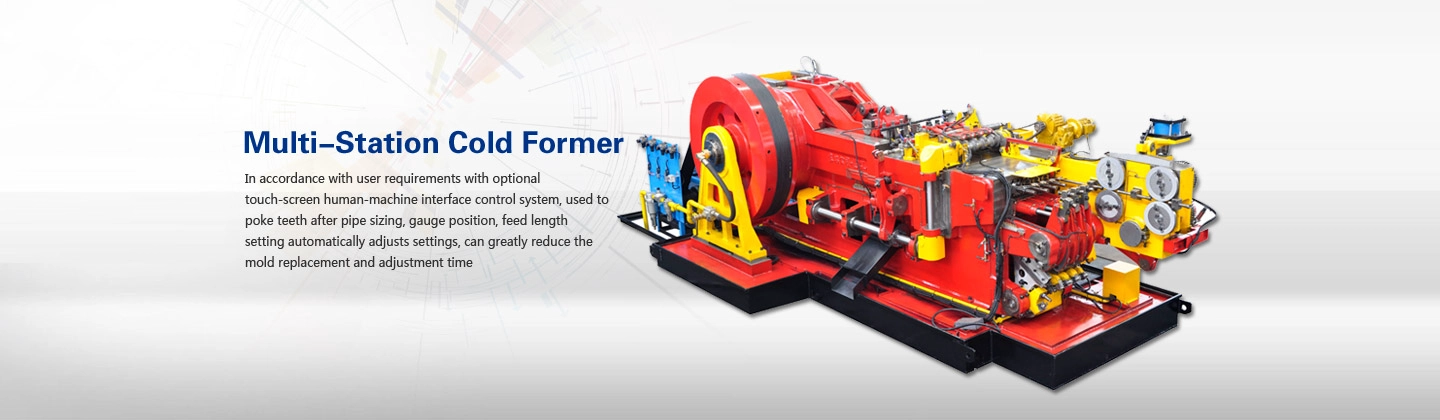
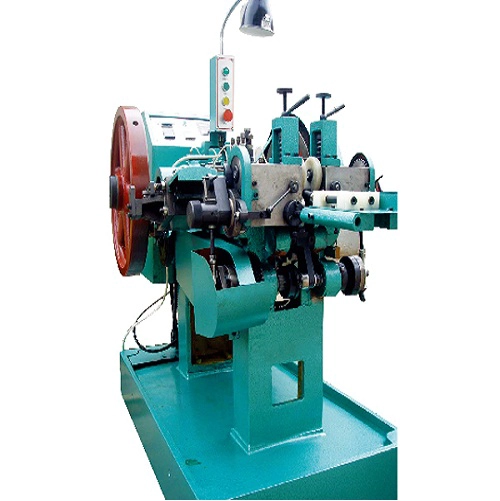
| Forming — bolts | Diameter range, length, head type, stations required | Bolt making machines, cold heading machines |
| Forming — nuts | Nut size, chamfer, whether a full mask is needed | Nut and part forging machines |
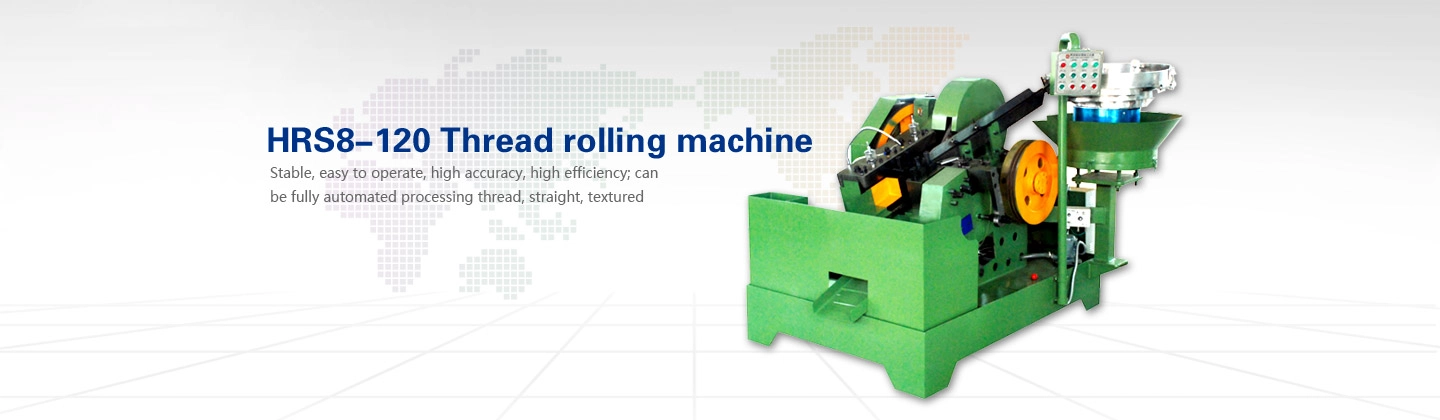
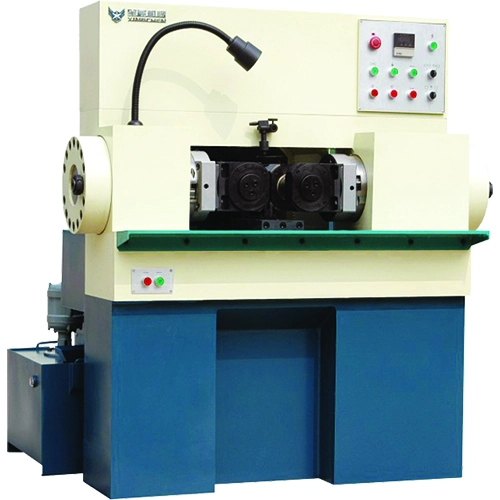
| Threading | Bolt size, thread length, flat die or circular die | Thread rolling machines |
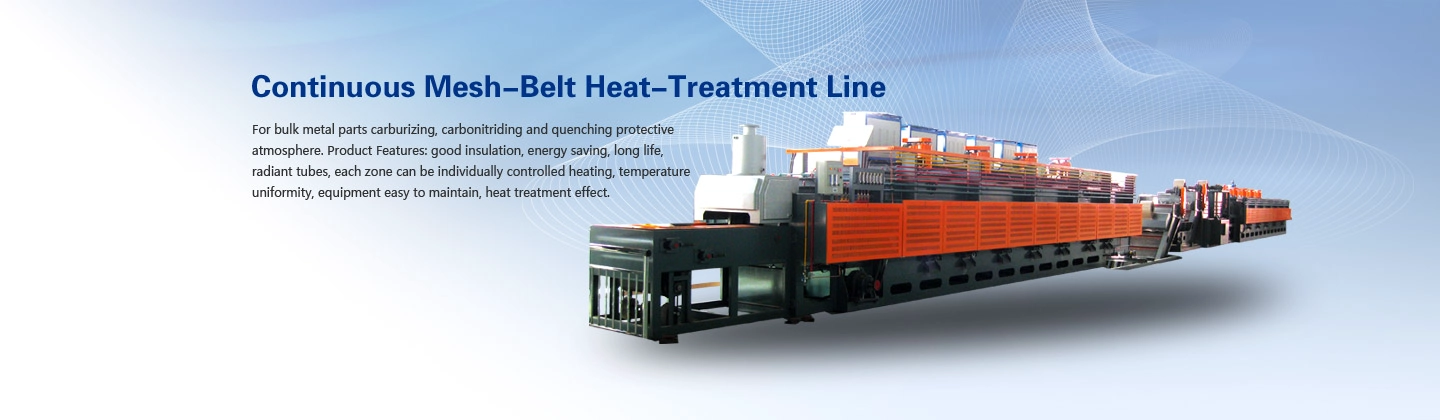
| Heat treatment | Property class, hourly tonnage, atmosphere control | Continuous mesh belt furnace |
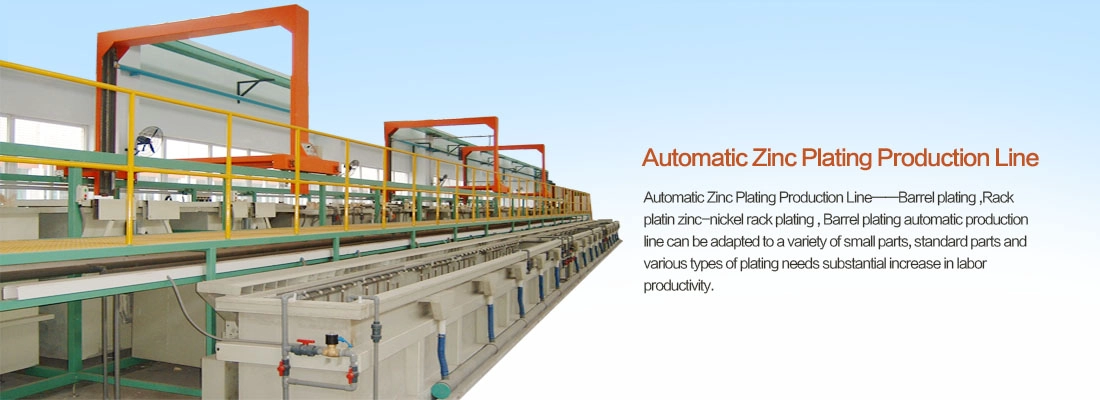
| Coating | Indoor or outdoor service, coating thickness, thread allowance | Zinc plating line, hot dip galvanizing line |
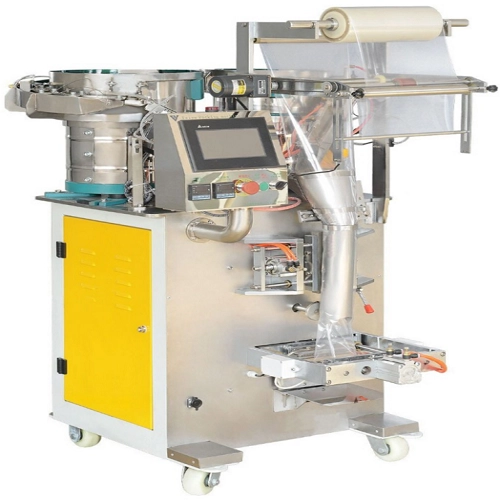
| Inspection & packing | Defect types to detect, packing format | Optical sorting machine, packing machines |
5. Phase the Investment
A common and sensible structure for a new plant is three phases:
- Phase 1 — forming and threading. Lowest capital, fastest to revenue, produces sellable plain parts.
- Phase 2 — heat treatment. Unlocks property classes 8.8 and above, which is where margin usually sits.
- Phase 3 — coating, sorting and automated packing. Unlocks outdoor and construction markets and reduces labour per tonne.
Phasing works only if the building and utilities were designed for the final configuration from day one. That is the entire argument for planning the plant as a system rather than buying machines one at a time.
6. Why Buyers Plan With Rainbow
With more than 30 years of experience in fastener equipment, Harbin Rainbow Technology supplies the full sequence — wire drawing, cold heading and bolt forming, nut forming, thread rolling, nut tapping, continuous mesh belt heat treatment, zinc plating and hot dip galvanizing, optical sorting and packing — which means layout, utility requirements and interface points are supplied as one coordinated package rather than assembled from separate vendors' drawings.
Our team supports line layout proposals, utility requirement lists and phased commissioning plans, and provides installation guidance, operator training and spare-part supply after start-up.
Send us your product mix and target annual output, and we will return a proposed line configuration with the utility schedule and the bottleneck stage identified.
Contact our team or write to chen@rainbowtechnology.net.
FAQ
How much floor space does a bolt plant need?
It depends on the product range and on whether heat treatment and coating are included on site. The practical approach is to fix the machine list first, then add working space for coil storage, WIP buffers, die room and inspection — rather than starting from a building size and fitting machines into it.
Can forming machines be installed on an existing concrete floor?
Usually yes, but point loading, anchor design and vibration isolation must be checked against the machine's weight and dynamic load. This should be verified by a structural engineer before the machine is ordered.
Do I need a separate power feed for the plating line?
In most layouts, yes. Plating rectifiers and heating draw continuously and are sensitive to supply fluctuation, so a dedicated feed and proper earthing are normally specified.
What comes first: buying machines or building the factory?
Fix the product mix and capacity first, then the layout and utilities, then the machines — and design the building for the final phase, not the first phase.
Can the line be expanded later without stopping production?
Yes, if the layout reserves space and utility capacity at the design stage. Retrofitting power, gas and drainage into a running plant is where expansion projects become expensive.