












How Bolts Are Made: Inside a Complete Bolt Production Line
Production flow of bolts: Raw material → Wire drawing → Bolt making (cold forging) → Thread rolling → Heat treatment → Zinc plating → Finished products.
Stage 1 — Raw material preparation
Everything begins with wire rod in coils, normally low- or medium-carbon steel, and for higher property classes, alloy or boron-treated grades.
Raw material control at this stage covers three things:
- Grade and chemistry — matched to the target property class (for example 4.8, 8.8, 10.9).
- Coil weight and surface — scale, rust and drawing defects propagate through every later step.
- Traceability — heat number recorded against the finished lot, which is what allows a supplier to answer a customer's material certificate request months later.
Skipping this discipline is the most common reason a line produces good samples and inconsistent bulk orders.
Stage 2 — Wire drawing
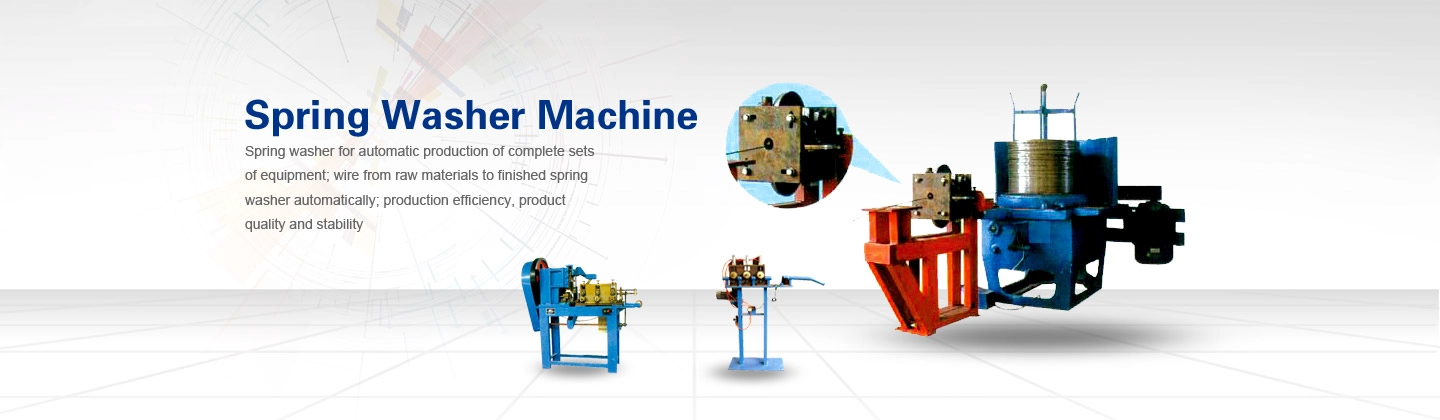
The coil is cold-drawn through carbide dies to bring the wire to the exact diameter, roundness and surface finish the forging station requires, with the required reduction ratio to give the wire the right combination of strength and ductility.
In a well-set line, drawing also applies the lubricant carrier coating that allows the wire to flow properly inside the heading dies. Poor coating shows up much later as scoring, die wear and short tool life — the classic hidden cost of a cheap drawing stage.
Stage 3 — Bolt making by cold forging
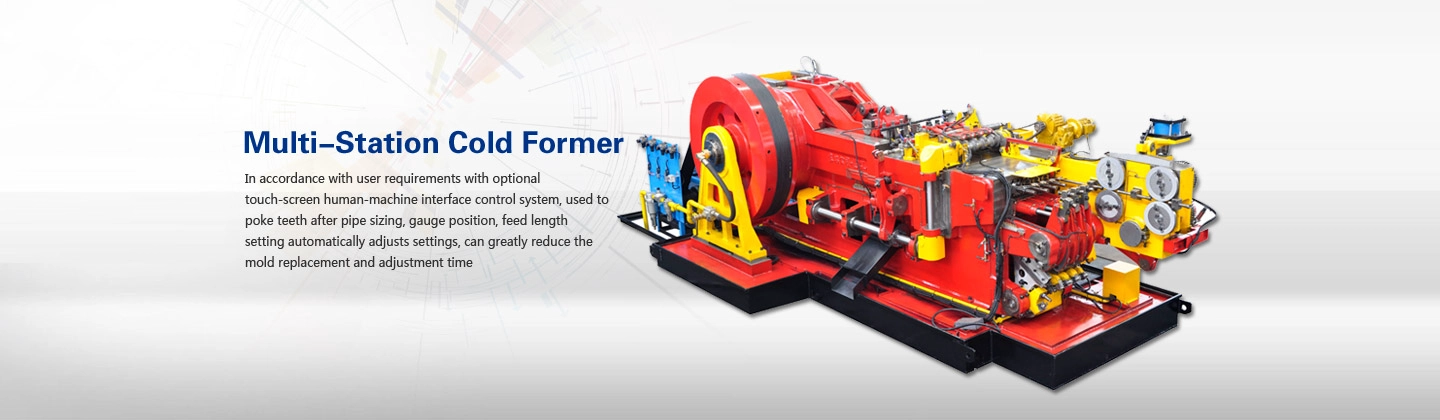
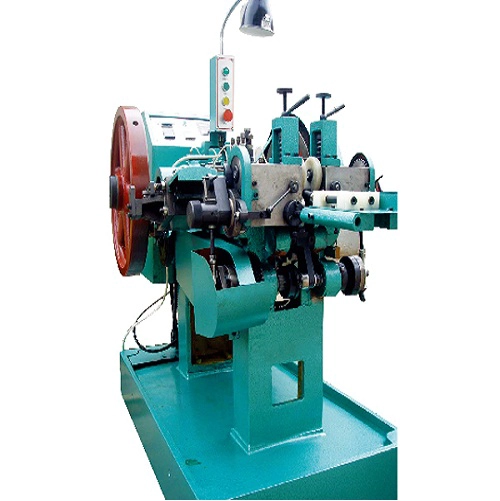
The bolt making machine (cold former) cuts the wire to length, upsets it into the head shape and, in multi-station machines, performs successive reductions of the shank in one continuous cycle.
Cold forging is not shaping — it is controlled material flow. The fibres of the steel follow the profile of the head-to-shank transition instead of being cut through, which is why a cold-forged bolt survives shock and vibration far better than a machined one. Process stability at this stage decides:
- head concentricity and height,
- absence of laps, folds and shear cracks,
- shank diameter consistency, which sets up the thread stage,
- tool life and therefore unit cost.
Stage 4 — Thread rolling
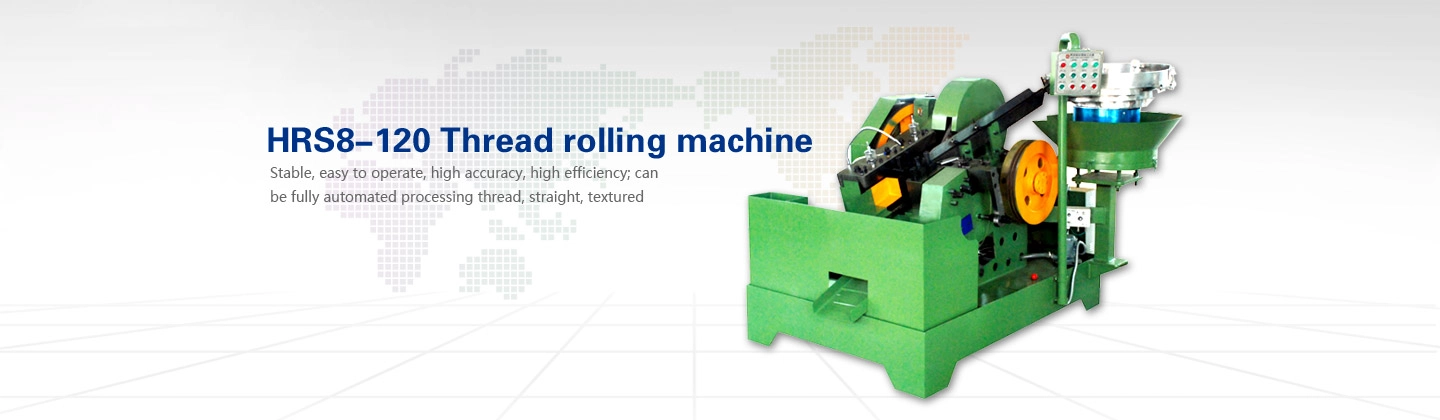
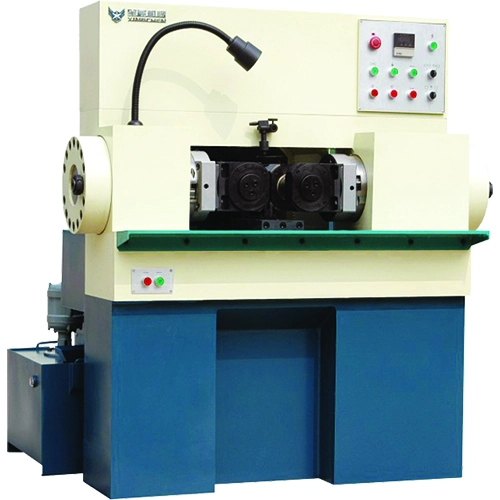
Threads are formed by rolling the blank between hardened dies, displacing material rather than cutting it away.
Rolling gives a continuous grain structure along the thread flank, increases the fatigue resistance of the thread root, and holds tighter tolerance classes at high speed. It is the stage where the difference between a bolt that meets a 6g tolerance and one that jams in a customer's assembly line is actually decided — by die condition, blank diameter and rolling pressure, not by inspection afterwards.
Stage 5 — Heat treatment
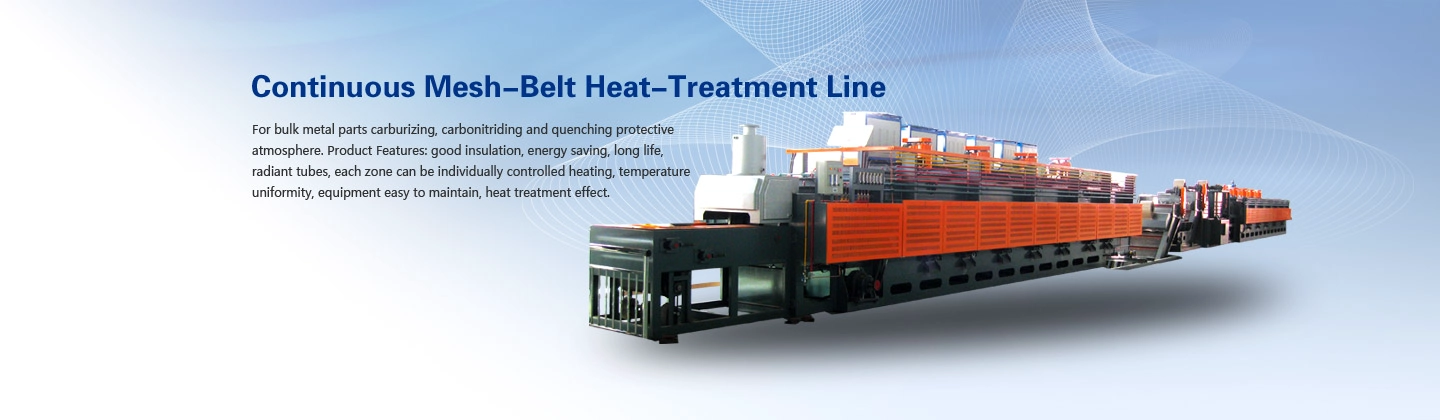
Depending on the property class, bolts pass through a continuous heat treatment furnace for hardening and tempering to reach the specified hardness and toughness.
Control here is about uniformity across the load, not just reaching a number on a sample: consistent austenitising temperature, controlled atmosphere, controlled quench and an even tempering profile. Hardness variation across a batch is the root cause of hydrogen embrittlement failures, torque scatter and field breakages.
Stage 6 — Zinc plating on an automatic barrel line
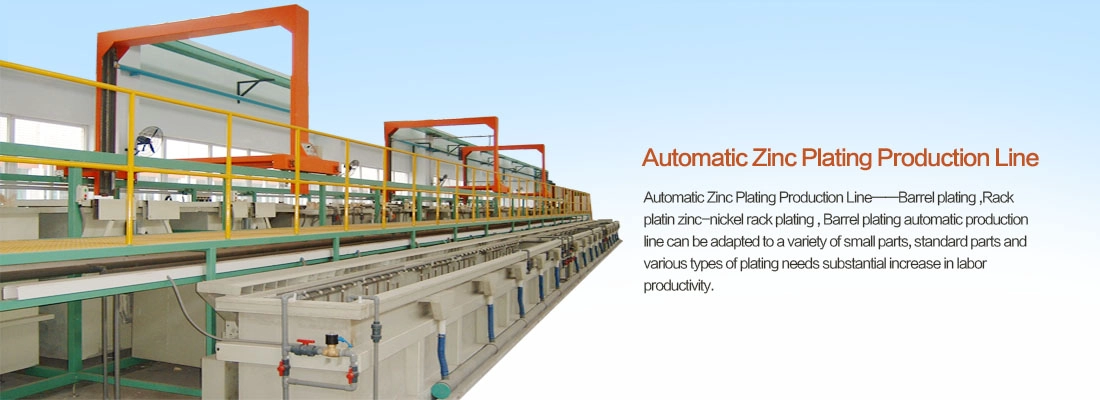
The last process stage is alkaline or acid barrel-type zinc plating in an automatic line, giving a uniform, adherent coating to a high-volume, small-part workload.
Barrel plating is the right choice for fasteners because it handles bulk parts economically; automatic lines are the right choice because they keep current density, chemical concentration, dwell time and rinsing consistent from barrel to barrel — which is what turns "plated" into "consistently plated", including controlled hydrogen de-embrittlement for high-strength parts.
Stage 7 — Finished products and quality release
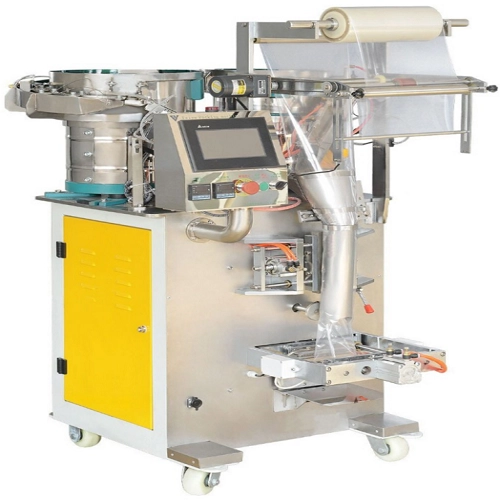
Finished bolts are inspected, sorted and packed, with the release decision covering dimensional checks, thread gauging, mechanical properties, coating thickness and appearance.
Why a complete, single-source line is a commercial advantage
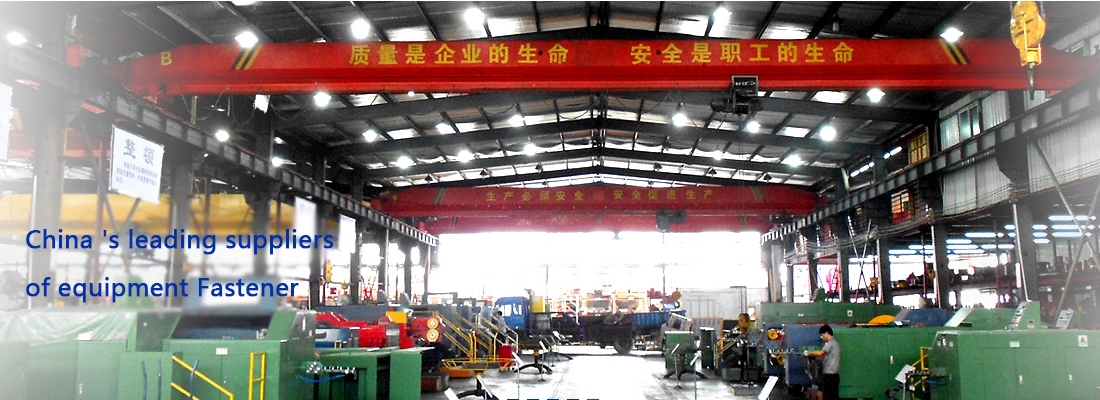
Buyers rarely buy a drawing machine, a former, a furnace and a plating line in the same year — but they always pay for the gaps between them. A complete line from one manufacturer removes those gaps:
What RAINBOW offers
1. One supplier for the whole bolt line. Wire drawing, cold forging, thread rolling, heat treatment and automatic barrel zinc plating — the five process stages that decide bolt quality, engineered to work as one sequence instead of five separate purchases.
2. Both fastener families on one platform. The same engineering approach covers the bolt line and the nut line (drawing → cold forging → tapping → heat treatment → plating), so a producer who expands from bolts into nuts keeps one supplier, one spare-parts system and one process language.
3. Process knowledge, not just iron. The value of a line is in the parameter window: die design, coating, blank diameter for rolling, furnace profile, plating chemistry. RAINBOW supports customers in setting that window rather than shipping machines and leaving the process to be discovered on site.
4. Built for the realistic order profile of a fastener plant. Medium-to-high volume, many sizes, frequent changeovers — the line is configured around that reality: automatic plating for bulk parts, continuous heat treatment for uniform hardness, and cold forming for material-efficient heads and shanks.
5. Local accountability across the life of the line. Installation, commissioning, operator training and spare-part supply from the same partner who built the equipment. [Add your standard warranty period, service response time and spare-parts stock locations.]
Specifications to confirm before you buy
- Wire diameter range and drawing speed
- Bolt diameter / length range and forging stations
- Thread size range and rolling speed
- Furnace capacity (kg/h) and achievable property classes
- Plating line barrel size, coating thickness range and standards met
- [Add your model designations, output rates and certifications here]
Next step
If you are planning a new bolt line, expanding an existing one, or replacing a stage that has become the bottleneck, send us your product range and target output. We will map it onto the six stages above and come back with a line configuration, layout and process parameters — not just a machine list.