














How Nuts Are Made: A Step-by-Step Guide to the Nut Production Process
Production flow of nuts: Raw material → Wire drawing → Nut making (cold forging) → Nut tapping → Heat treatment → Zinc plating → Finished products.
Stage 1 — Raw material preparation
As with bolts, the line starts with steel wire rod in coils, with grade and chemistry selected against the nut's target property class.
For nuts there is one additional consideration: because the finished part is hollow and load is carried by the walls, material consistency across the coil matters even more. A soft patch that would be harmless in a solid bolt becomes a collapsed or cracked nut wall after punching.
Stage 2 — Wire drawing
The coil is cold-drawn to the exact diameter required by the nut former, with surface finish and lubricant carrier prepared for severe deformation.
Nut forming is a high-reduction operation: the wire has to fill a hexagonal cavity and simultaneously allow a punch to displace material. If drawing has left the wire too hard, too soft, or with a poor coating, the result is punch breakage, die washout and short tool life — costs that appear as "tooling expense" and are actually a drawing-stage defect.
Stage 3 — Nut making by cold forging
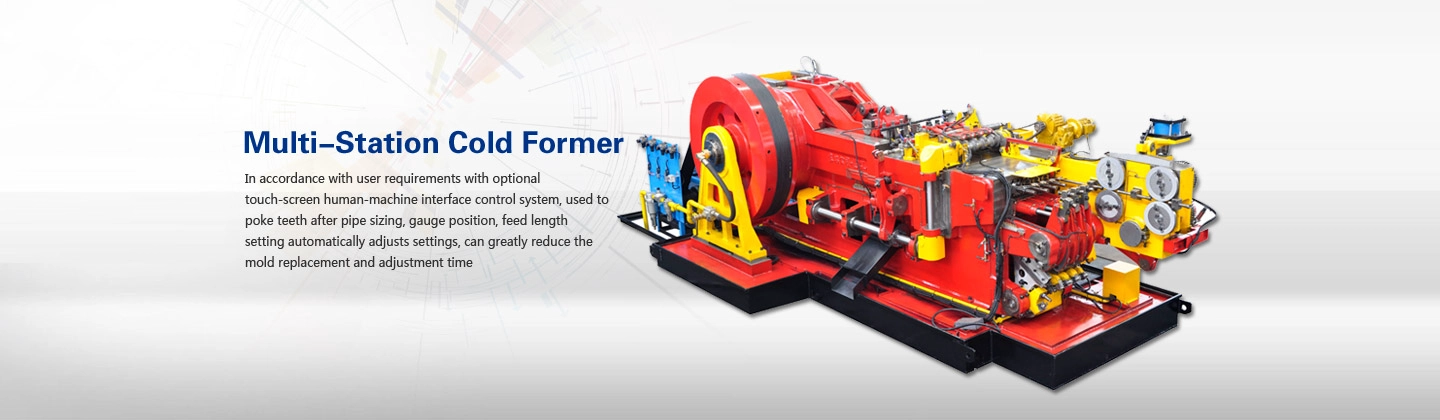
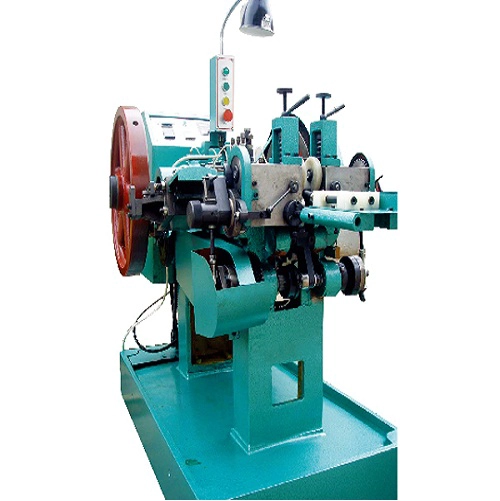
The nut making machine (cold former) is the heart of the line. In one continuous cycle it:
- cuts the wire to a weighed blank,
- upsets the blank into a pre-form,
- punches the bore,
- forms the hexagon and chamfers,
- ejects a finished nut blank ready for tapping.
This is where nut quality is decided: bore concentricity, hexagon flatness, wall thickness uniformity and chamfer geometry. A nut that is dimensionally acceptable but has an eccentric bore will tap badly, load unevenly and fail torque testing — and no downstream stage can correct it.
Stage 4 — Nut tapping
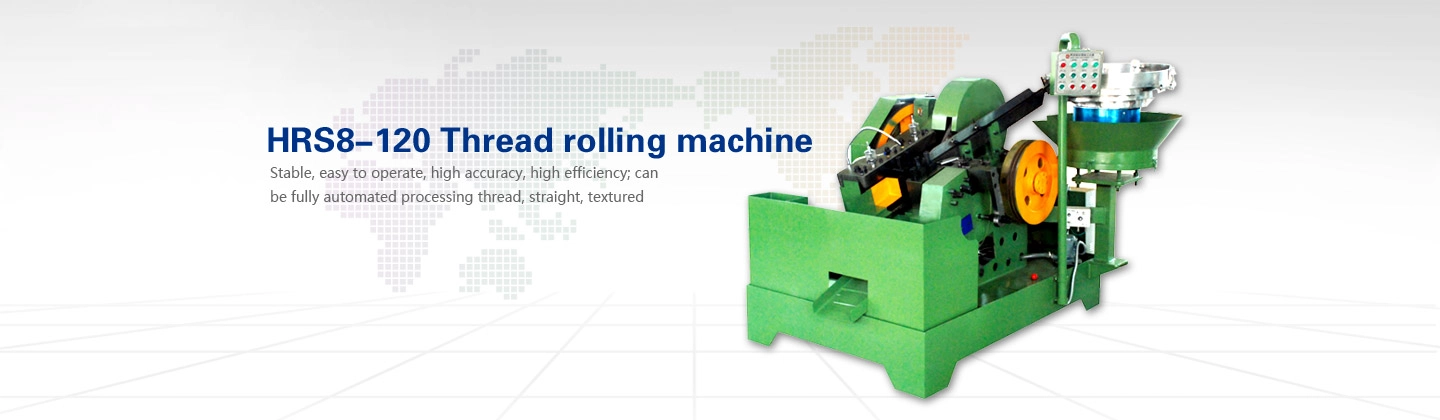
Unlike a bolt, a nut's thread is cut, not rolled. The blank is fed into a nut tapping machine where taps cut the internal thread to the required tolerance class, with lubrication, tap condition and alignment determining:
- thread gauge acceptance (GO / NO-GO),
- thread flank finish,
- tap breakage rate, and therefore unit cost,
- thread strength, which depends on how much sound material the tap leaves around the bore.
Tapping is the stage where nut production economics are most exposed. Tap life is a direct function of blank quality from stage 3 — which is why the former and the tapper must be specified as a pair, not separately.
Stage 5 — Heat treatment
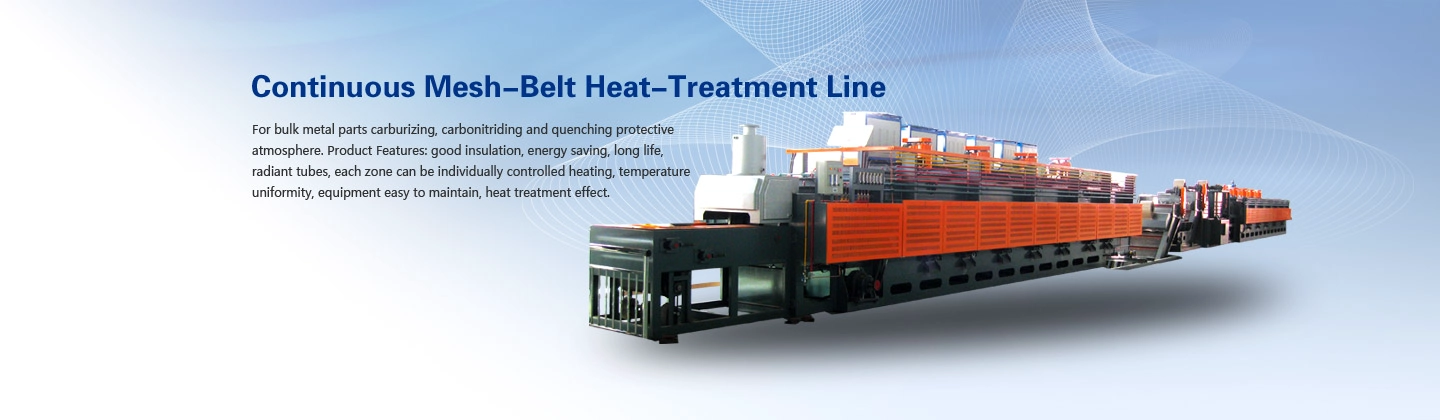
Nuts pass through a continuous heat treatment furnace for the hardening and tempering required by the property class, with the same discipline as bolts: uniform austenitising, controlled atmosphere, controlled quench, even tempering.
For nuts, hardness uniformity has an extra consequence. A hard nut next to a soft nut in the same assembly means the joint torque scatters, the coating behaves differently, and the customer blames the bolt. Batch uniformity — not the sample reading — is the quality metric.
Stage 6 — Zinc plating on an automatic barrel line
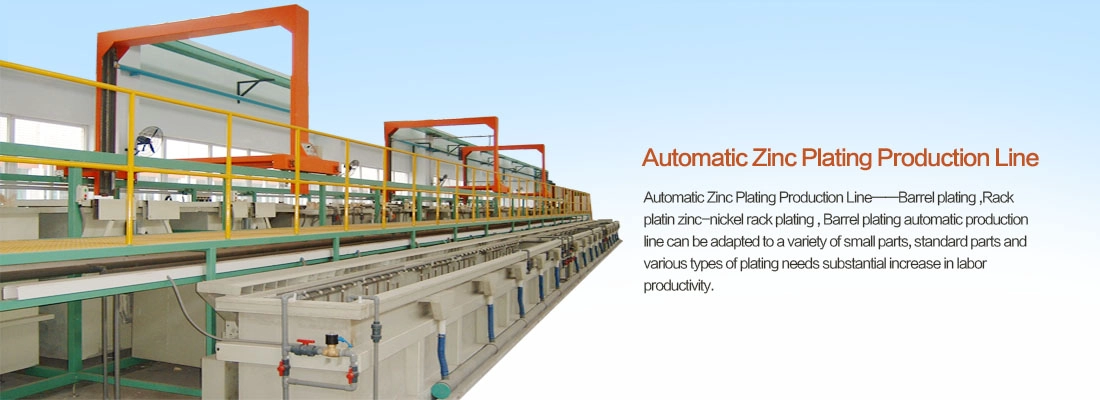
The final process stage is alkaline or acid barrel-type zinc plating in an automatic line. Barrel plating suits nuts particularly well: they are small, numerous, self-tumbling and geometrically easy to coat uniformly, including the thread and the bearing face.
Automation is what makes the result repeatable: controlled current density, chemical concentration, dwell time and rinsing, plus controlled de-embrittlement for high-strength grades. Thread fit after plating is the classic failure point — coating thickness has to be planned against the thread tolerance class, not added on top of it.
Stage 7 — Finished products
Finished nuts are gauged, sorted, inspected for coating and appearance, and packed with traceability to the wire heat number.
What RAINBOW offers
1. Bolt and nut lines from one engineering source. The nut sequence — drawing, cold forging, tapping, heat treatment, automatic barrel plating — and the bolt sequence are designed on the same platform. A producer running both product families keeps one process language, one spare-parts system and one accountable supplier.
2. Former and tapper specified as one process. Blank geometry and tap loading are matched at the specification stage, which is where tap life and thread acceptance are actually decided.
3. Complete line, wire rod to packed nut. Including the two stages most often bought separately and then blamed for each other's problems: the heat treatment furnace and the automatic plating line.
4. Process support, not just equipment. Parameter windows for drawing reduction, blank weight, tapping speed and lubrication, furnace profile and plating chemistry — the working knowledge that turns an installed line into a predictable output.
5. Built for volume with frequent size changes. Barrel plating for bulk parts, continuous heat treatment for uniform hardness, cold forming for material efficiency — configured around how fastener plants actually run. [Add your model designations, output rates, warranty terms and certifications here.]
Specification checklist
- Wire diameter range and drawing speed
- Nut size range (M-range), forging stations and output per minute
- Tapping spindles, tap size range and thread classes supported
- Furnace capacity (kg/h) and achievable property classes
- Plating barrel size, coating thickness range and standards met
- [Add your model designations, output rates and certifications here]
Next step
Tell us the nut sizes, property classes and monthly tonnage you need, and we will map them onto the six stages above and return a line configuration, layout and process window — with the former and tapper matched as one system.