














Difference Between Screw Cold Heading Machine and Nut Cold Forming Machine
Difference Between Screw Cold Heading Machine and Nut Cold Forming Machine
Cold heading & cold forming are core metal‑forming technologies for fastener mass production. Many buyers confuse screw cold heading machines and nut cold forming machines. Although both work on cold forging principle, they are designed for completely different workpiece shapes, tooling layouts and production workflows.
1. Workpiece & Production Objective
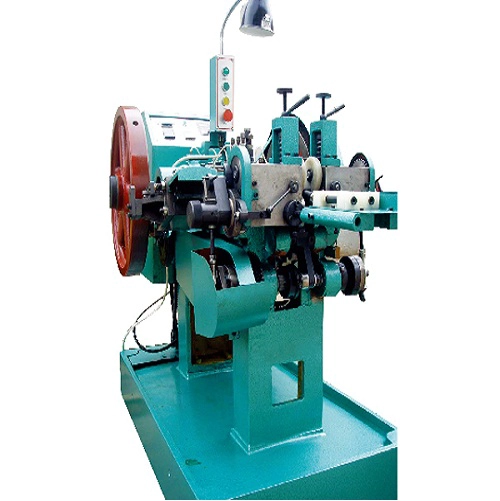
Screw cold heading machine It mainly produces bolts, screws, studs and other male‑thread blanks. The key job is to forge the screw head, such as hex head, pan head, countersunk head. The raw material is steel wire rod. Wire is fed, cut to fixed length, then upset to form screw head in one or multiple stations. After heading, the workpiece will go through thread rolling process for final external threads.
Nut cold forming machine (nut former / nut part former) It targets nuts, lock nuts and internal‑thread fasteners. The machine forms hexagonal or round nut blanks. Raw material is steel wire or cut steel bar. Multi‑station dies punch and extrude to create the inner hole and outer hex profile of nuts. The formed nut blank needs further tapping operation to finish internal threads.
2. Machine Structure & Station Layout
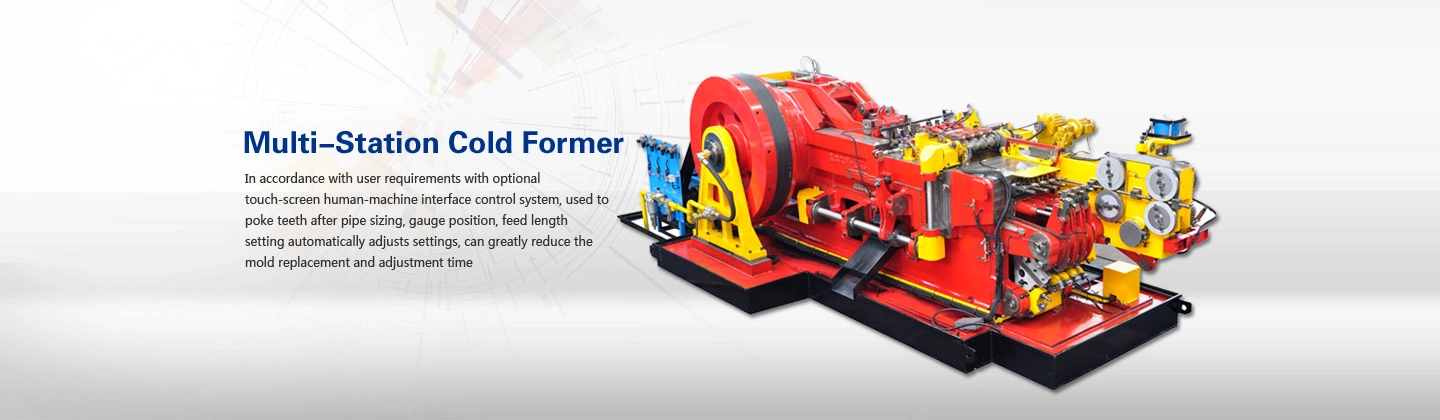
Screw cold heading machines focus on head upsetting. Stations are arranged for forward extrusion and head upset. Die cavities are shaped for screw shank and head forming. The machine pays more attention to wire feeding accuracy and head‑upset pressure control.
Nut cold forming machines require hollow extrusion. Its die sets are specially built to punch through material to make nut inner hole. More force is required for through‑hole forging. The machine frame is heavier to resist large lateral impact force during nut hollow forming. Multi‑station nut formers usually have more forming stations compared with common screw heading machines.
3. Post‑Process Matching
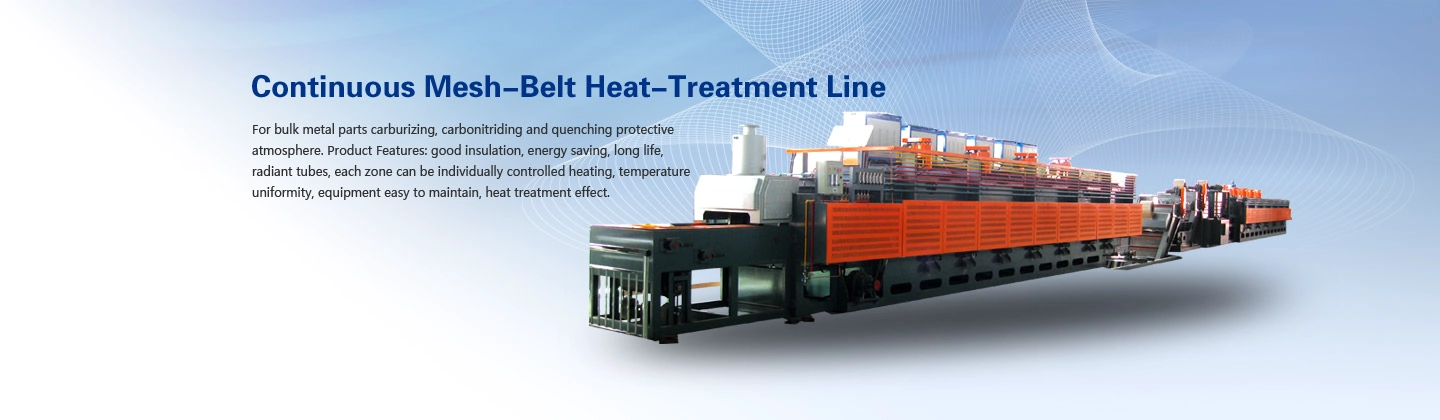
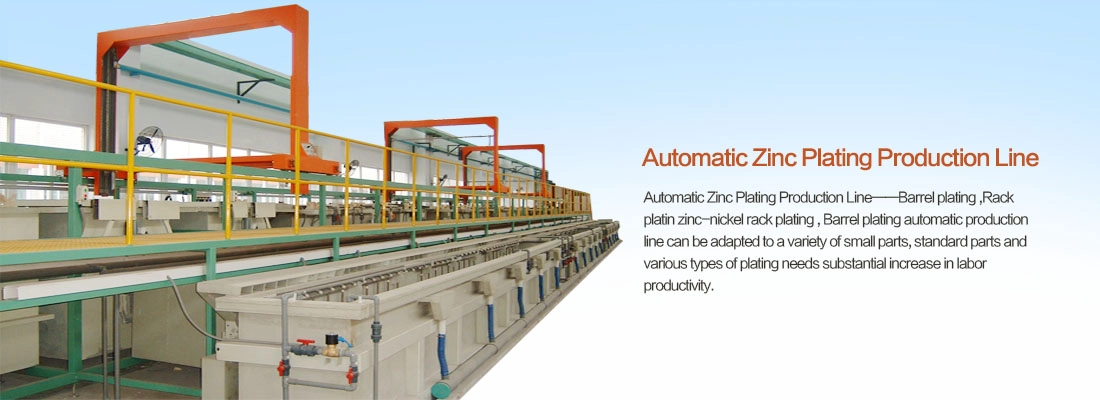
- Screw production flow: Wire feeding → Cold heading (screw head forming) → Thread rolling → Heat treatment → Surface plating
- Nut production flow: Wire / bar cutting → Nut cold forming → Deburring → Nut tapping (internal thread) → Heat treatment → Surface plating
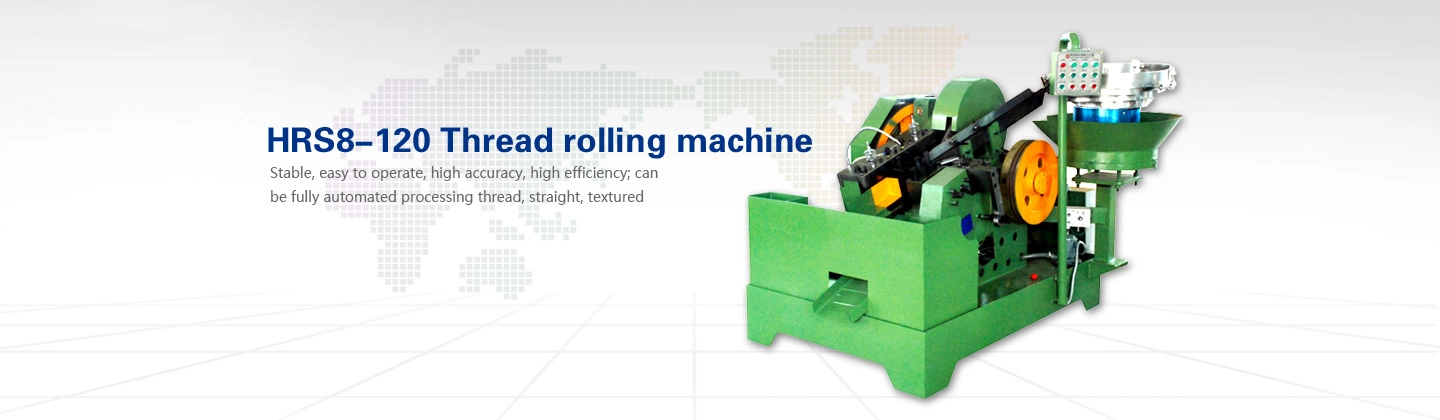
Screw blanks after heading go to thread rolling for outer threads. Nut blanks after forming cannot be used directly; they must pass tapping machines to machine inner threads. This is one of the biggest practical differences for fastener factories.
4. Application Scenarios
Screw cold heading machine Fit for factories producing various bolts, self‑tapping screws, machine screws, studs. Widely used in construction, furniture, automotive component supply.
Nut cold forming machine Fit for mass‑production of hex nuts, flange nuts, lock nuts. Frequently seen in fastener plants supporting bolt‑and‑nut complete sets.
Summary
Both machines belong to cold forging fastener equipment and share similar raw material sources. But screw cold heading machines make male fastener blanks with external thread‑rolling follow‑up. Nut cold forming machines produce hollow nut blanks which require tapping for internal threads. Tooling, internal force requirement and downstream supporting equipment are not interchangeable. When purchasing, manufacturers shall select the machine according to their target finished products.